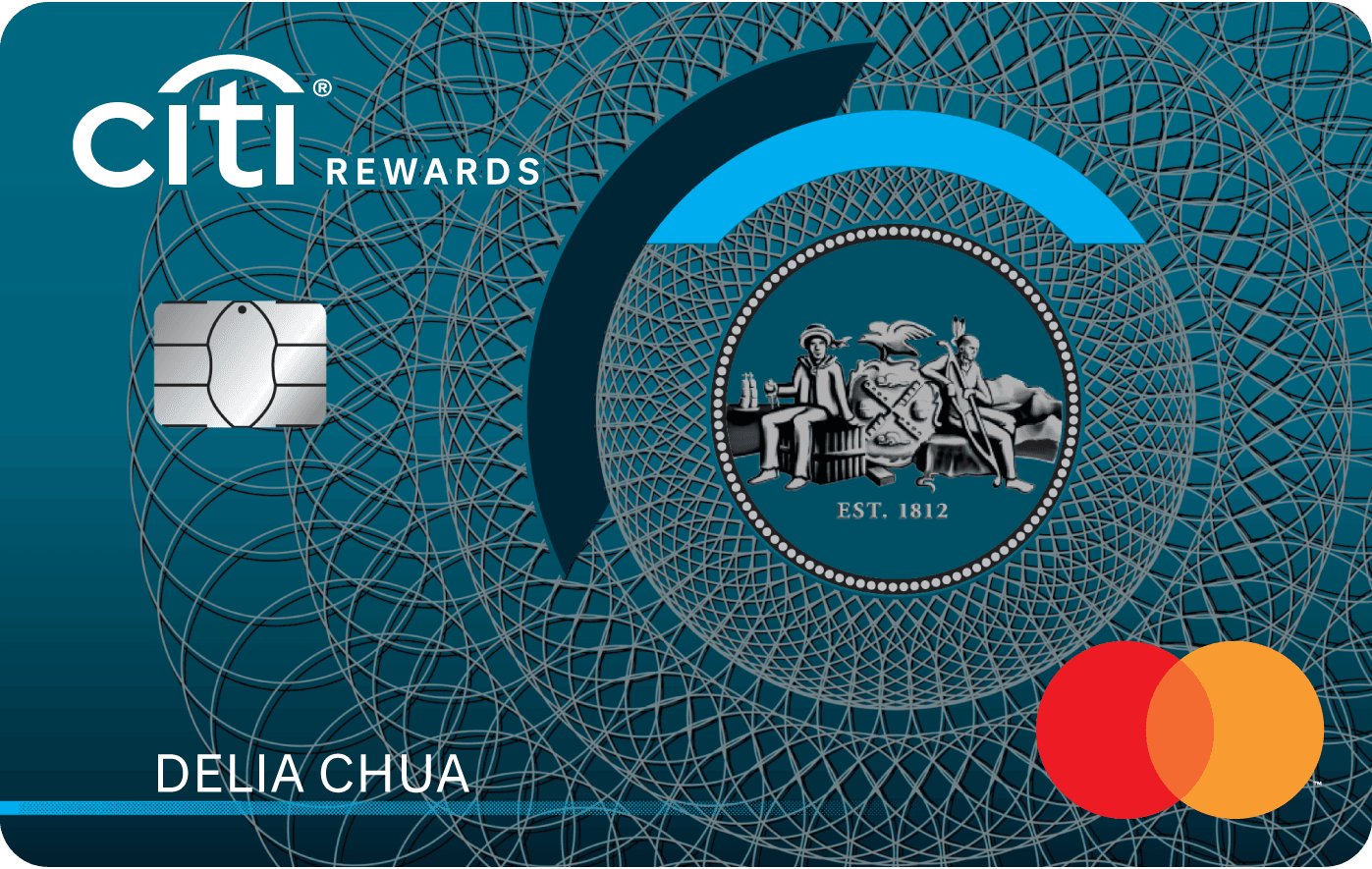
Citi Rewards Card
S$196.20
Updated: 7 Aug 2026
The BNPL vs credit cards dilemma is real. Find out what each has to offer, which one’s superior or even potentially more dangerous for shoppers.

Financing a major purchase in Singapore used to mean only one thing: whipping out a credit card and signing up for a bank’s installment plan. Today, consumers have more choices. The rise of independent fintech platforms has completely changed how we split up our payments at checkout.
When it comes to weighing the options of a buy now pay later (bnpl) vs credit card, which method should you choose to stretch your dollar safely?
Short answer?
Neither is inherently more dangerous. Credit cards carry higher penalty costs if you miss payments (up to 30.80% p.a. plus S$100 late fee), while BNPL's low barrier and S$2,000 cap make it easier to overextend without realising.
We break down the structural differences, current costs, and hidden fees of both payment options so you can manage your cash flow effectively.
Product | Annual Fee | Rewards Rate | Min. Annual Income |
|---|---|---|---|
S$196.20 | 1 - 10 points / dollar | S$30000 | |
No Annual Fee | 0.4 - 4 miles / dollar | S$65000 | |
S$196.20 | 0.3 - 8 % cashback | S$65000 | |
S$196.20 | 1 - 15 OCBC$ / dollar | S$30000 | |
S$196.20 | 0.4 - 10 miles / dollar | S$30000 | |
No Annual Fee | 0.4 - 4 miles / dollar | S$65000 | |
None | 0.5 - 15 % cashback | S$30000 |

Compare exclusive offers on SingSaver across cashback, miles, and rewards cards—plus enjoy stackable welcome gifts.
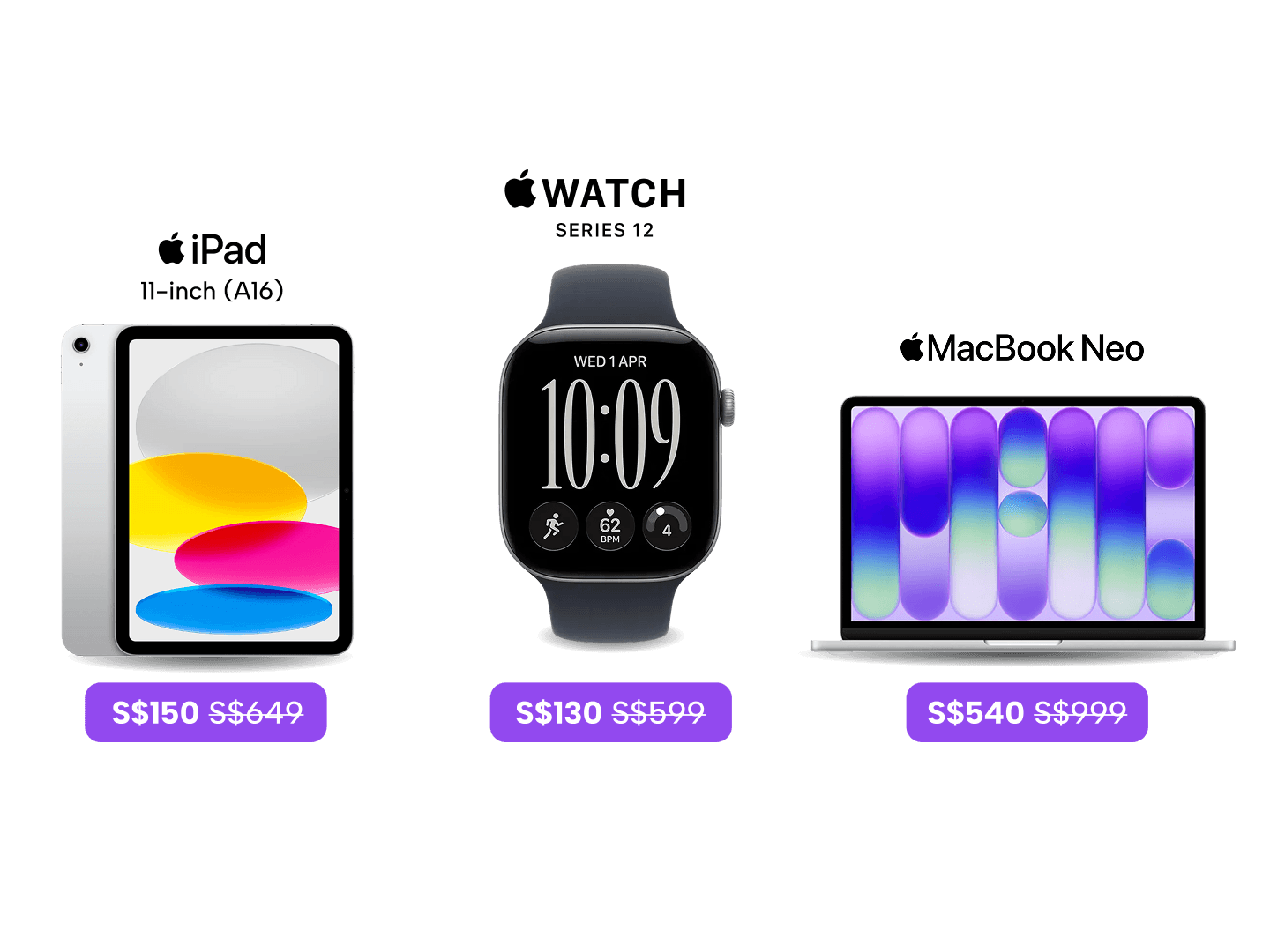
Turn your reward into a sleek Apple tablet, headphones or laptop with a top-up starting from just S$130. Apply for select credit cards and take your pick. T&Cs apply.
Most major retail banks in Singapore (such as DBS, UOB, and OCBC) offer 0% interest installment payment plans (IPP). When you make a big-ticket purchase, the bank pays the merchant in full, and you repay the bank in fixed monthly sums over a period of 6, 12, 24, or up to 36 months.
However, there is a catch: the entire purchase amount is immediately blocked out from your credit limit. As you pay off your monthly installments, your available credit limit is progressively restored.
Independent fintech providers offer buy now pay later benefits by automatically splitting your purchase into smaller, equal installments at the point of checkout. The most common structure divides your payment into 3 interest-free monthly installments. Unlike bank credit cards, your very first installment is paid upfront at the time of purchase, followed by the remaining two payments over the next two months.
To own a credit card in Singapore, you must meet strict minimum income requirements mandated by the Monetary Authority of Singapore (MAS). For Singaporeans and Permanent Residents (PRs), this is typically a minimum annual income of S$30,000. For foreign expats, the threshold is significantly higher, usually ranging between S$40,000 and S$60,000 depending on the bank.
BNPL platforms are highly accessible. Generally, anyone over the age of 18 with a local mobile number, a valid NRIC/FIN, and a Singapore-issued debit or credit card can instantly set up an account. You do not need to submit formal payslips or meet a high annual income floor to get started.
Score S$450 Upsized Cash, Dyson Airstrait, Sony WH-1000XM6 Wireless Headphones, 28,000 Max Miles by HeyMax, or a Dyson Clean+Wash Hygiene hard floor cleaner when you apply for an HSBC Live+ Credit Card via SingSaver and fulfil promo requirements. Valid until 8 October 2026. T&Cs apply.
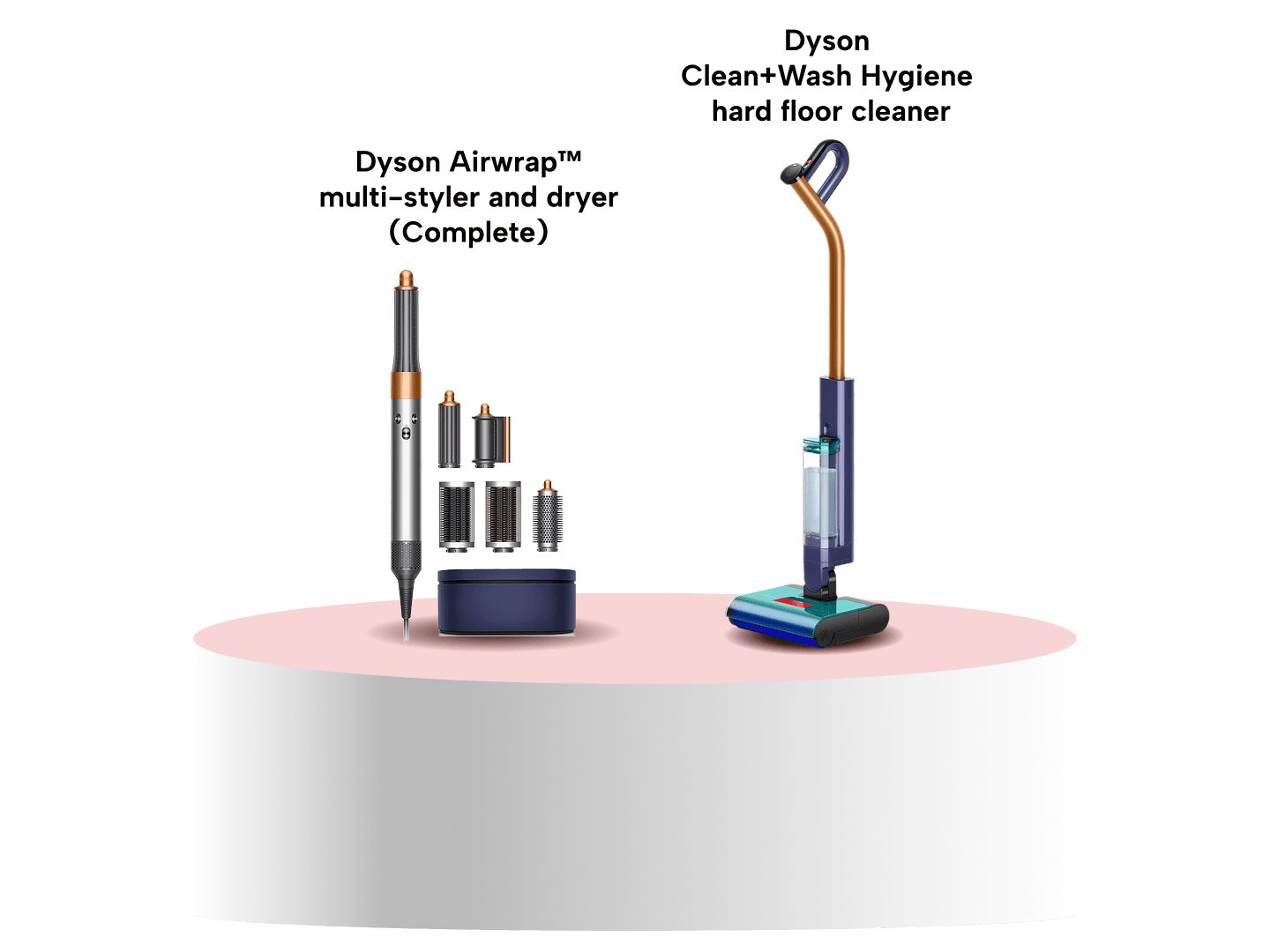
You can also top up from just S$50 to upgrade to the latest Dyson and Apple products, including the latest MacBook Neo 256GB Magic Keyboard. Valid till 8 October 2026. T&Cs apply.
Your credit card limit is structurally tied to your income. Under MAS regulations, individuals earning between S$30,000 and S$120,000 a year are typically granted a combined credit limit of up to four times their monthly income across any single financial institution.
To protect consumers from over-leveraging, a strict regulatory framework governs the BNPL singapore comparison. Under the official BNPL Code of Conduct overseen by the Singapore FinTech Association (SFA), providers cap an individual’s outstanding payments at a maximum of S$2,000 across the platform. You can only unlock a higher spending limit if you undergo an additional, rigorous credit and income assessment.
While many bank plans are marketed as "0% interest," missing a single monthly payment breaks the interest-free safety net. If you fail to clear your minimum credit card statement balance by the due date, major banks apply a steep prevailing retail interest rate. For instance, DBS officially charges a prevailing rate of 27.80% p.a., which jumps to a penalty rate of 30.80% p.a. if your account remains past due. Additionally, a flat late fee of S$100 is levied instantly per overdue account statement.
Are there BNPL hidden fees Singapore shoppers should look out for? True to their marketing, legitimate BNPL providers do not charge interest on your balances. However, missing an automated deduction results in flat late payment charges. These fees are capped strictly under the SFA Code of Conduct to ensure they do not compound uncontrollably.
A standard cross-market comparison of active major providers reveals how late fees are structured:
| BNPL Provider | Late Payment Fee |
| Atome | S$15 flat fee applied the day after a missed payment deadline. Account is immediately frozen. |
| Grab (SPayLater) | S$5 flat late fee applied per overdue monthly bill. |
| Shopee (SPayLater) | 1% monthly interest/late fee applied to the overdue installment amount until cleared. |
Be the first eligible applicant at 3PM and 9PM to apply for Citi Credit Cards to score a reward upgrade to the latest smartphone worth over S$1,800! Valid till 11 October 2026. T&Cs apply.
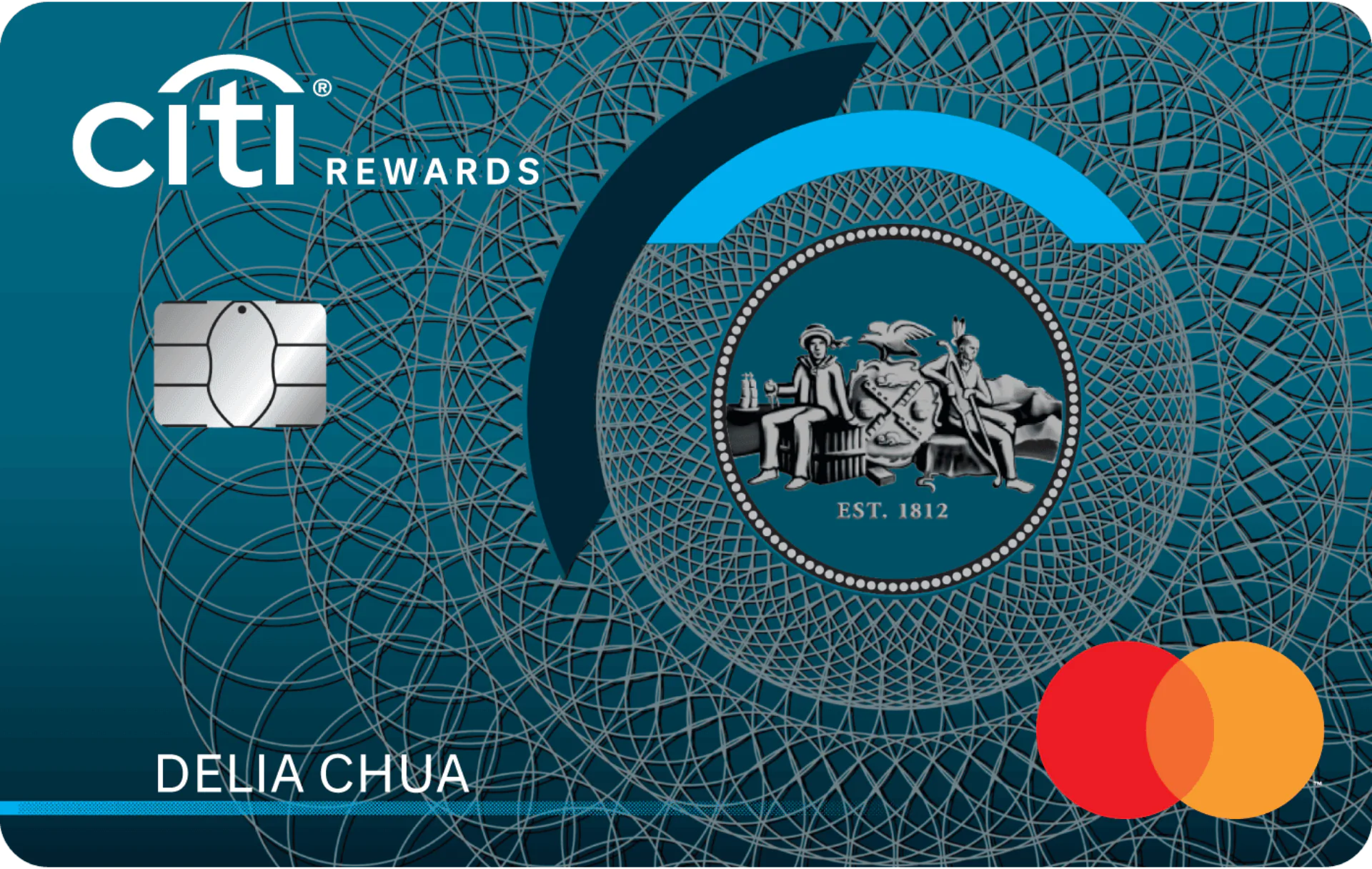
Apply for a Citi Rewards Credit Card via SingSaver and score S$400 Cash via PayNow, S$420 Shopee Voucher, 25,000 Max Miles by HeyMax, Dyson Airstrait™ straightener, or Dyson V8 Cyclone Vacuum Cleaner upon activating and spending a minimum of S$500 within 30 days of card approval. Valid till 11 October 2026. T&Cs apply.
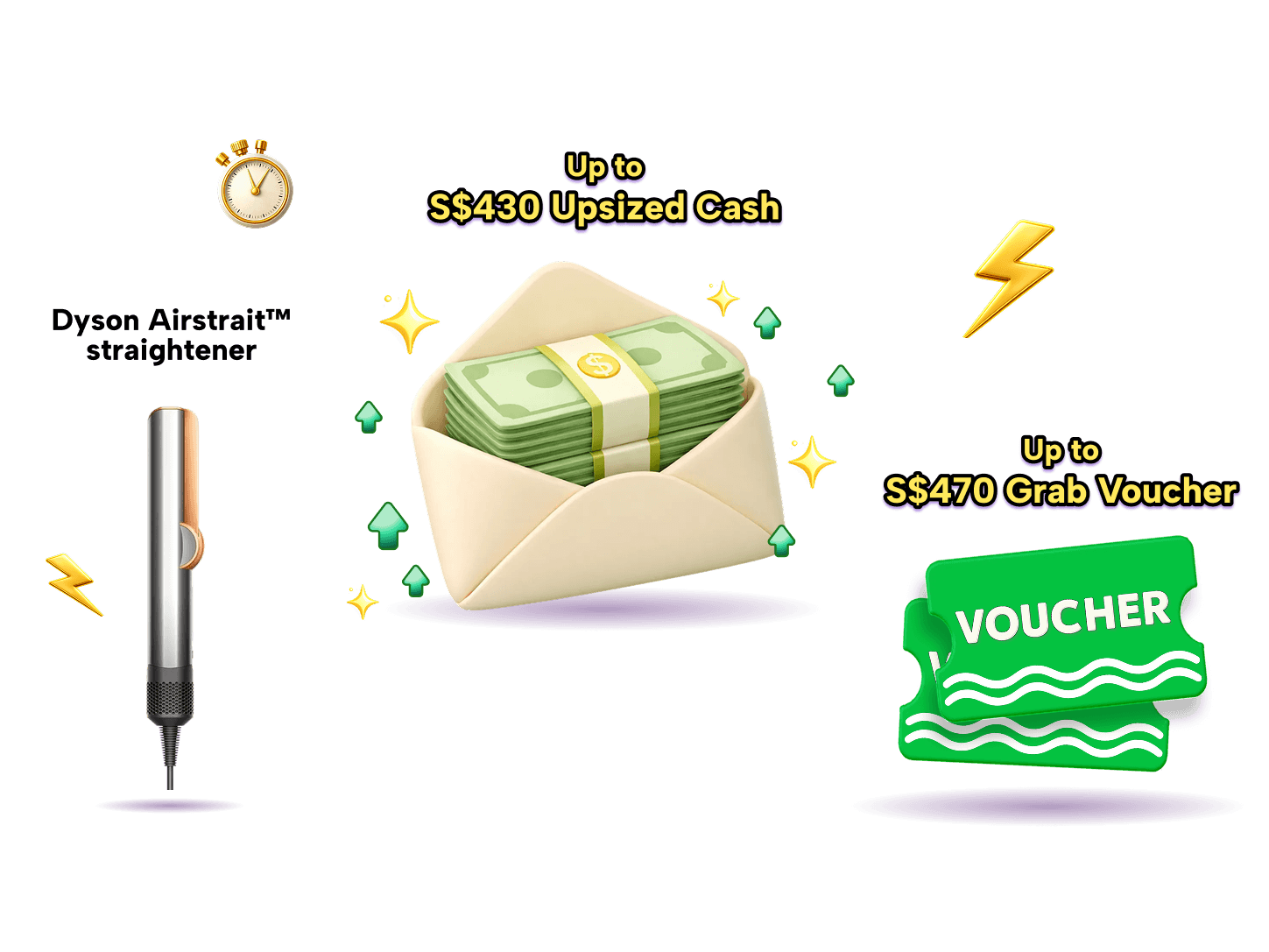
You can also top up from just S$100 to upgrade to the latest Dyson and Apple products, including the latest MacBook Neo 256GB Magic Keyboard. Valid till 11 October 2026. T&Cs apply.
Historically, putting an installment plan on your credit card meant forfeiting rewards. Today, specific credit cards occasionally partner with retail merchants to allow cardholders to earn base miles or cashback on 0% installment plans, though it varies heavily by individual promotional terms.
One of the key buy now pay later benefits is the ability to unlock immediate platform-exclusive discount vouchers and stackable promo codes when checking out.
Crucial Warning on Double Dipping: Many consumers expect to earn credit card points or air miles by linking their rewards credit card as the underlying payment method for BNPL deductions. However, major banks in Singapore (including UOB, DBS, and Citibank) explicitly exclude BNPL transactions from earning any card rewards, points, or cashback. To optimize rewards, link a high-yield debit card or use the platform's native wallet ecosystem instead.
Every credit card application, your total utilized credit, and your monthly payment history are meticulously logged by the Credit Bureau Singapore (CBS). Consistently missing your card payments will severely damage your credit history, making it significantly harder to get approval for critical future loans like a home HDB/bank mortgage or a car loan.
One of the most frequent questions consumers ask is: does BNPL affect credit score in Singapore?
The short answer is: No, not directly, as long as you pay on time. Because independent BNPL platforms are not traditional banking institutions, regular usage or minor platform payment cycles are not directly reported onto your standard CBS credit report. However, under the enforced BNPL Code of Conduct, platforms are integrated with centralized credit verification systems. If you default on your BNPL payments, your account across all accredited providers will be restricted, and platforms reserve the legal right to engage debt collection agencies to recover outstanding arrears.
To wrap up our BNPL singapore comparison, here is a clear snapshot of how these two modern payment methods stack up side-by-side:
| Feature | Credit Card Installments | Buy Now Pay Later (BNPL) |
| Typical Term Length | 6 to 36 months | 3 months (or up to 12 months with select services) |
| Credit Ceiling Limit | Up to 4x monthly income | Hard cap of S$2,000 (Unless income-verified) |
| Income Requirement | Min. S$30,000 p.a. for citizens | None (Requires age 18+ and local debit/credit card) |
| Prevailing Interest Rate | 27.80% to 30.80% p.a. if payment is missed | 0% interest (Late charges apply) |
| Typical Late Fee Penalty | Up to S$100 per statement cycle | Flat S$5 to S$15 fee (or capped percentage) |
| Impact on CBS Credit Rating | Direct impact recorded on CBS report | No direct CBS impact; platform access frozen on default |
Get S$400 Cash, a Samsonite VOLANT Spinner, or an Ergotune Joobie when you are one of the first 5 eligible applicants at 10pm daily to sucessfully apply for selected UOB credit cards and make a min. spend of S$500 within the first 30 days of card approval. Remaining applicants will get S$80 Cash via PayNow. Promotion is valid for new-to-UOB credit cardmembers only. Valid till 31 October 2026. T&Cs apply.
Credit cards need S$30,000+ p.a. (S$40k-60k for foreigners); BNPL needs none.
BNPL caps unverified spending at S$2,000; credit cards scale with income.
Missed payments trigger steep credit card interest or BNPL account freezes.
Under the Singapore FinTech Association (SFA) BNPL Code of Conduct, the consumer protection rules regarding "credit sharing" are systematically structured to prevent users from overextending themselves across multiple platforms.
Because BNPL platforms are not traditional banks, these specific rules were created to prevent a "hidden debt" loop. The credit sharing framework operates under a centralized system with four main pillars:
To operationalize credit sharing, all accredited BNPL providers in Singapore (such as Atome and Grab) are required to subscribe to a centralized, private credit bureau (specifically set up for the BNPL ecosystem).
Data Contributed: Providers must constantly feed the bureau real-time data regarding consumer profile identities, outstanding BNPL balances, and repayment track records.
Data Retrieved: Before granting changes to a user's profile, a provider must query this shared repository to see exactly how much debt the consumer is holding on competing BNPL platforms.
The credit sharing system enforces a strict threshold on basic accounts:
A consumer is restricted to accumulating a maximum of S$2,000 in outstanding payments at any given time with a provider.
If a customer requests to increase their spending limit beyond S$2,000, the platform must perform a creditworthiness assessment. This assessment requires checking the shared credit bureau data alongside individual income verification (such as Singpass MyInfo CPF or Notice of Assessment data) to ensure the user isn’t cross-leveraged on other apps.
The code mandates an automated, strict reaction to missed payments:
If a credit sharing check or an internal trigger shows that a consumer has failed to meet a single payment obligation, the BNPL provider must immediately freeze the account.
The user is barred from accumulating any new transaction debt on that platform until the arrears are fully cleared. This prevents individuals from rolling over unpaid debts into new purchases.
Because sensitive financial data is being shared across fintech entities, the Code enforces high data-privacy boundaries:
Risk Assessment Only: The shared transaction and payment history can only be accessed by accredited independent providers for the explicit purpose of credit risk and affordability assessment.
Banned Activities: Platforms are strictly prohibited from using the shared credit bureau data for aggressive cross-platform marketing, targeting vulnerable users with advertisements, or predatory loan pushing.
The Big Picture: This credit sharing ecosystem functions as a specialized credit bureau entirely separate from the Credit Bureau Singapore (CBS). While regular BNPL spending won't lower your home loan eligibility score on a standard bank CBS report, the internal shared database ensures that if you default on one BNPL app, your financial over-extension will be instantly visible to all other compliant platforms.
If you are financing an exceptionally large purchase (such as home renovations or premium electronics exceeding S$2,000), have a stable income, and possess the financial discipline to never miss a statement deadline, a credit card installment plan remains the most powerful tool.
Conversely, if you are an eligible freelancer or a young professional looking to split a smaller purchase without tying up your bank card limits—and you want a strict guardrail against accumulating compounding interest debt—leveraging buy now pay later benefits through an accredited platform is a flexible, modern solution. Whichever route you take, always budget responsibly and ensure you can comfortably clear your payments when the due date arrives.
All regulatory insights conform strictly to the Singapore FinTech Association (SFA) Buy Now Pay Later Code of Conduct rules. Interest data points and late fees reflect active public disclosure schedules from major local retail institutions including DBS Bank Singapore.