What cards should you use for overseas spending?
Updated: 17 Dec 2025

But which cards exactly? Is it better to stick with a tried-and-tested traditional credit card, or should you use a credit card that advertises no foreign currency transaction fees? And what about multi-currency debit cards, how do those fit into the picture?
In this column, I’ll walk you through the pros and cons of each.

Find the right credit card for you in no time. 💳✨
Compare exclusive offers on SingSaver across cashback, miles, and rewards cards—plus enjoy stackable welcome gifts.
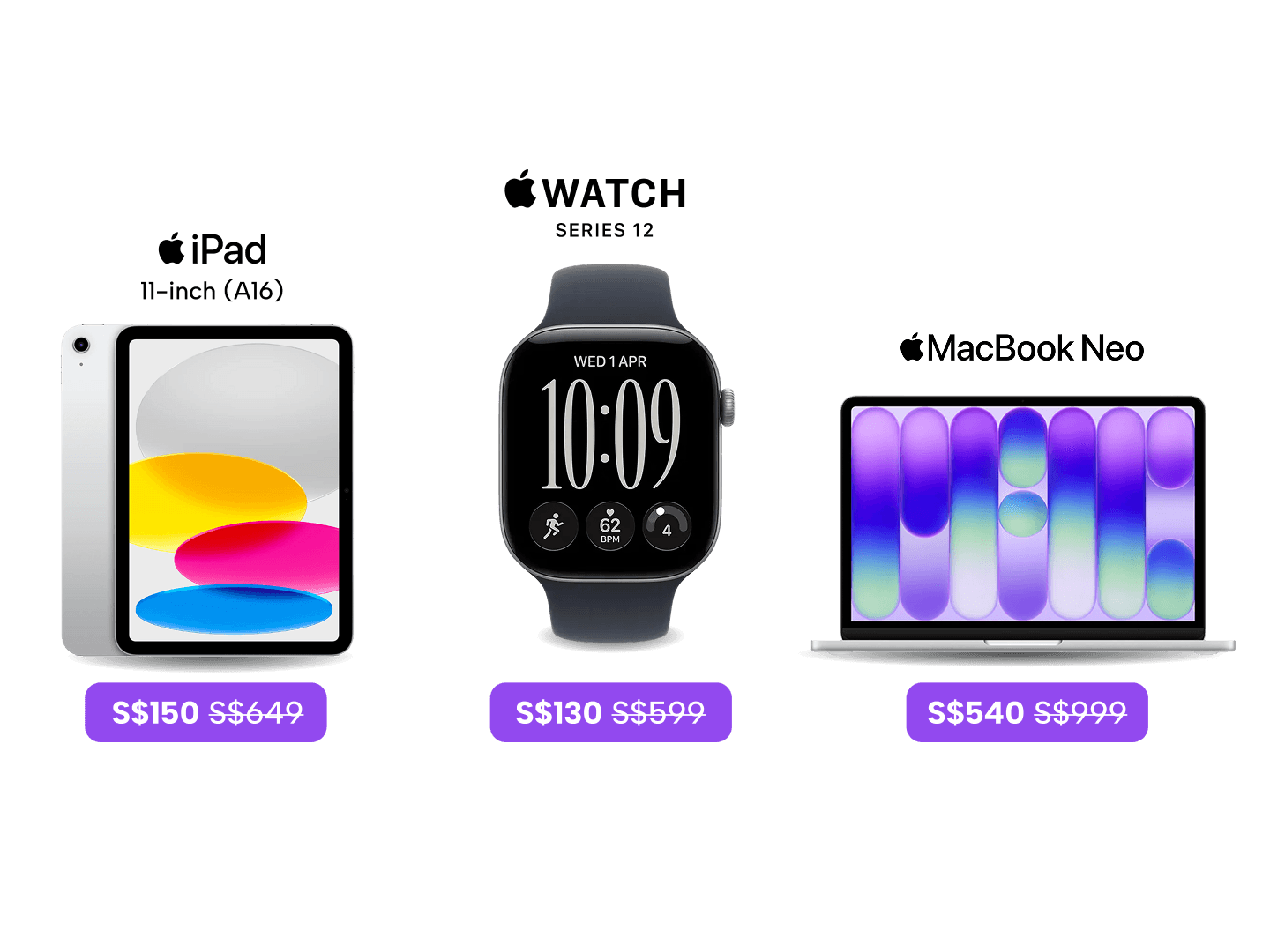
Upgrade to a premium Apple device for less! 🍎
Turn your reward into a sleek Apple tablet, headphones or laptop with a top-up starting from just S$130. Apply for select credit cards and take your pick. T&Cs apply.
Traditional credit cards
|
Pros |
Cons |
|
|
Traditional credit cards usually impose a foreign currency transaction fee that ranges from 3 to 3.5%, depending on the bank.
However, there are also certain cards which offer upsized rewards for foreign currency spending. For example, the Maybank XL Rewards Card offers 4 miles per S$1 (mpd) on foreign currency transactions, subject to a minimum spend of S$500 and capped at S$1,000 per calendar month. Likewise, the UOB Visa Signature Card offers 4 mpd on foreign currency transactions, subject to a minimum spend of S$1,000 and capped at S$1,200 per statement month.
Is it worth paying the fee? It depends on what card you’re using, and how much you value a mile. If you’re earning 4 mpd with a Maybank XL Rewards Card and paying a 3.25% fee, your cost per mile is around 0.81 cents (3.25%/4 mpd). However, if you’re earning 2.2 mpd with a DBS Altitude Card and paying a 3.25% fee, your cost per mile is 1.48 cents (3.25%/2.2 mpd).
Therefore, it stands to reason that you’ll want to use as high-earning a card as possible, to minimise the cost per mile.
That said, credit card transactions are based on the prevailing rates on the date the transaction takes place. There is no option to lock in a favourable rate today for spending in the future.
Card | Hot Reward Pick | SingSaver Reward | Card Benefit | Minimum Annual Income | Annual Fee | ||
|---|---|---|---|---|---|---|---|
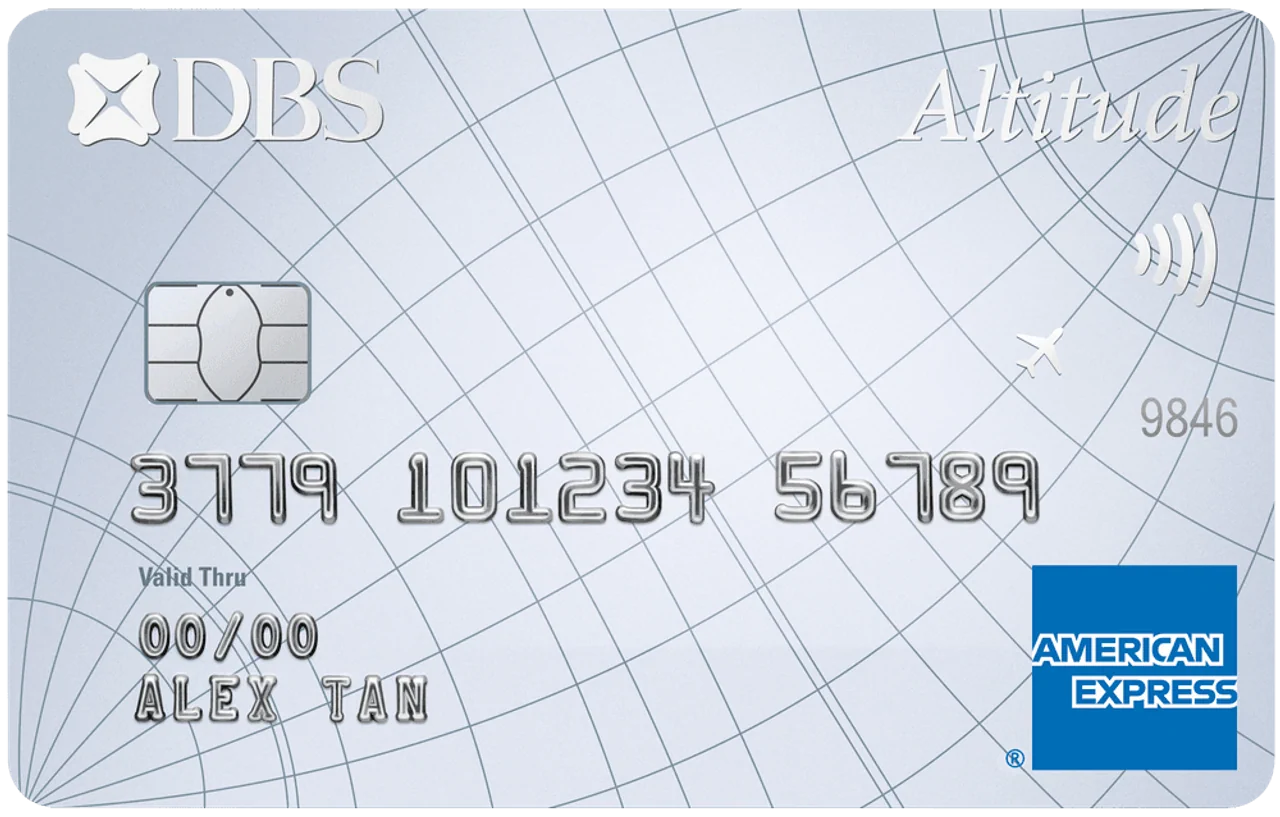 | DBS Altitude American Express Card | S$879 | 1.3 - 2.2 | S$30,000 | S$196.20 | ||
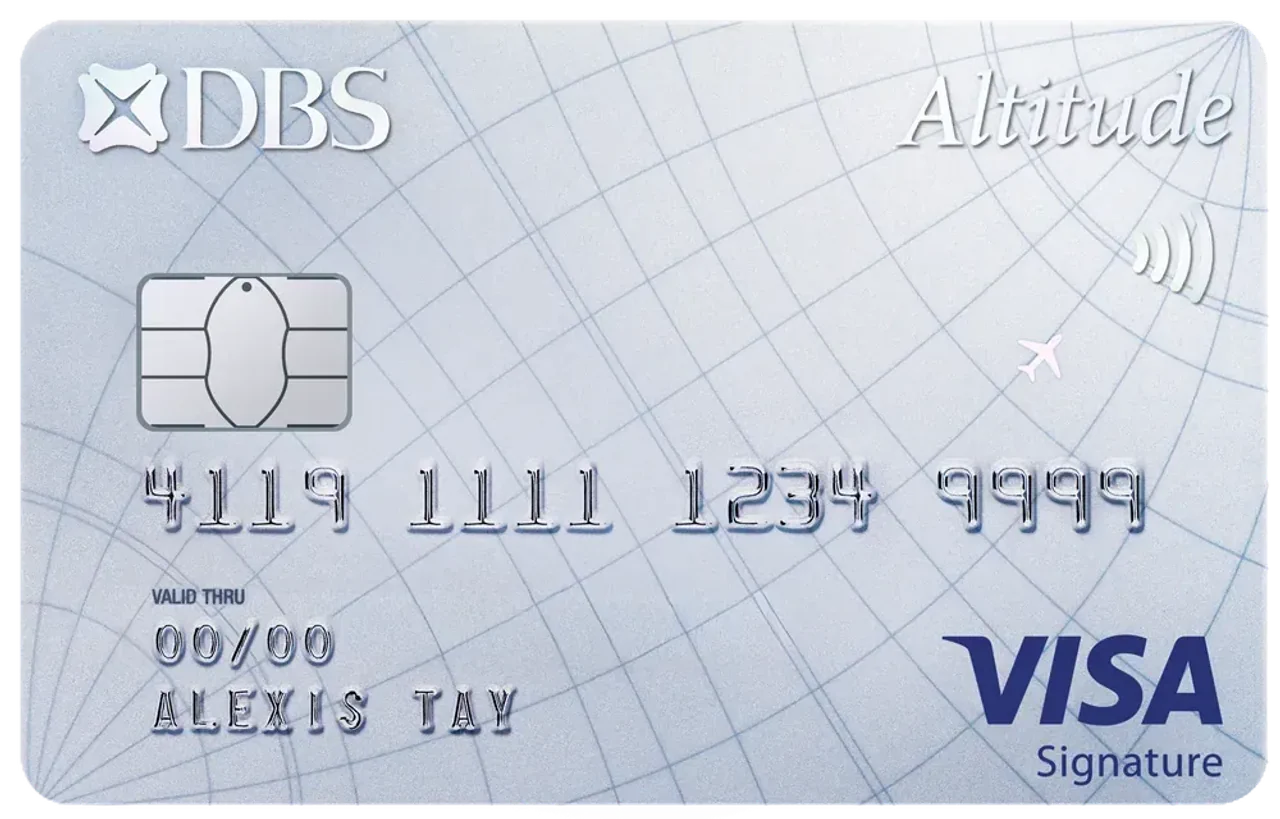 | DBS Altitude Visa Signature Card | S$879 | 1.3 - 2.2 | S$30,000 | S$196.20 | ||
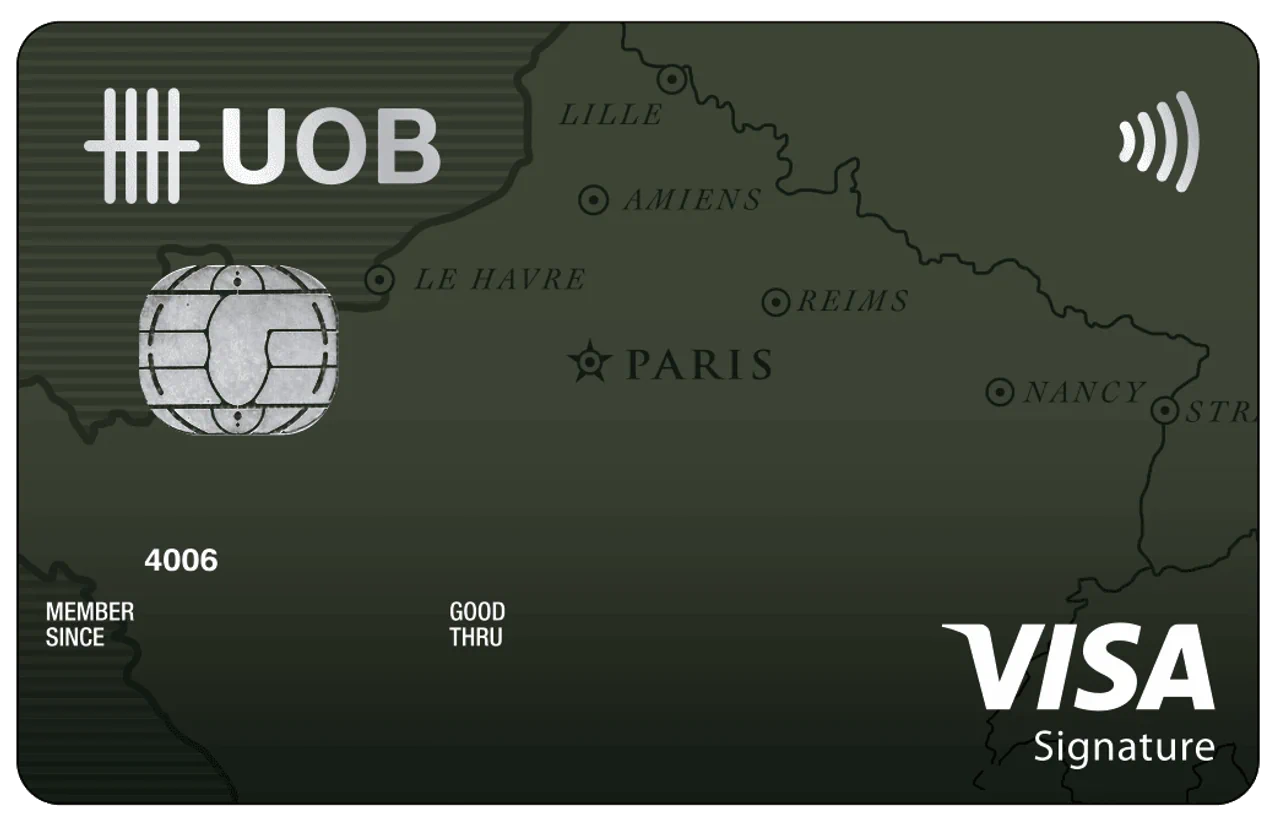 | UOB Visa Signature Card | S$599 | 0.4 - 4 miles per dollar | S$30,000 | S$218.00 |
“Zero FCY fee” credit cards
|
Pros |
Cons |
|
|
As the name suggests, “zero FCY fee” credit cards such as the Trust Cashback Card, UOB EVOL Card and GXS FlexiCard do not levy any foreign currency transaction fees on overseas payments.
Instead, the foreign currency amount will be converted into SGD at the prevailing card association (e.g. Visa, Mastercard, AMEX) rates, with no further markup. The card association rates will usually entail a small spread over mid-market, usually no more than 0.5%.
The downside here is that these cards usually offer minimal rewards - which is understandable, given that rewards are usually funded out of the FCY fee. At best, the Trust Cashback Card offers 1% cashback, while the UOB EVOL Card offers a promotional 3% cashback provided the cardholder meets a minimum spend of S$800 (valid till 31 January 2026).
Card | Hot Reward Pick | SingSaver Reward | Card Benefit | Minimum Annual Income | Annual Fee | ||
|---|---|---|---|---|---|---|---|
 | UOB EVOL Card | S$599 | 0.3 - 10 % | S$30,000 | S$0 | ||
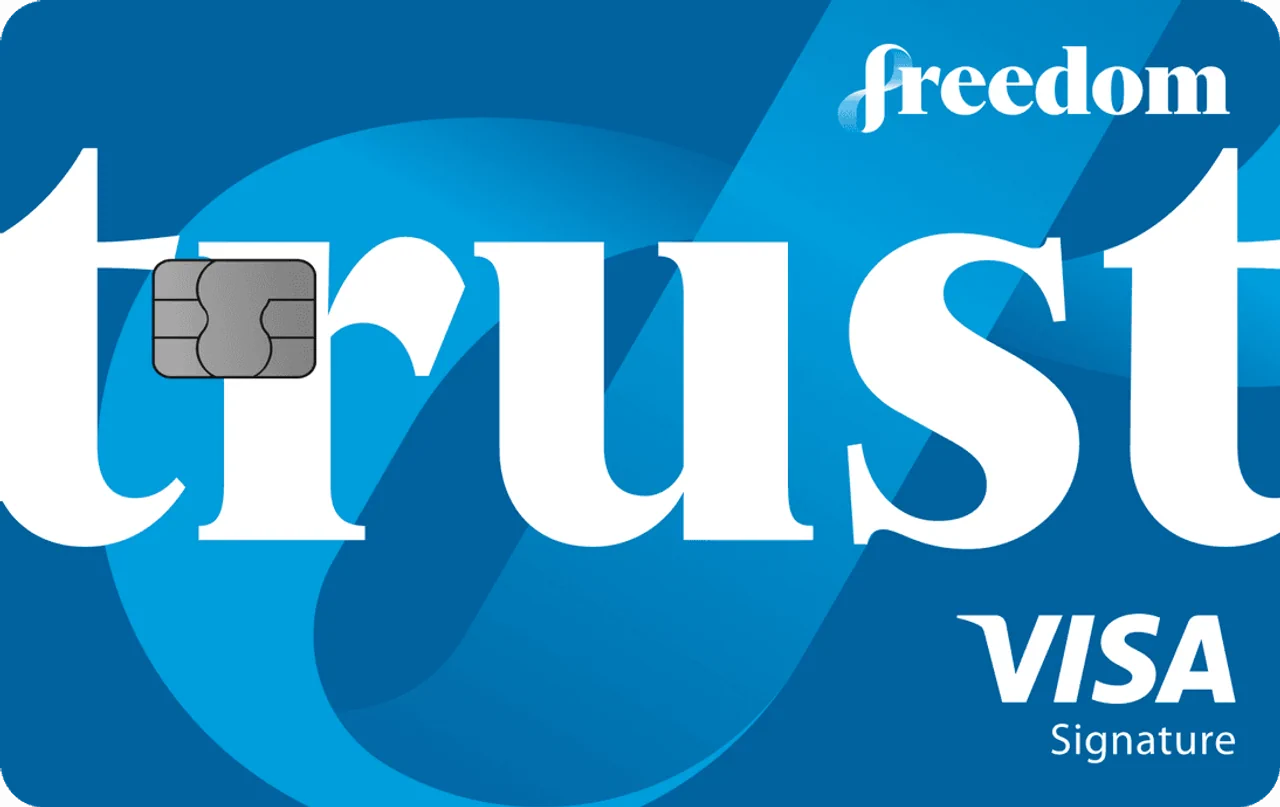 | Trust Freedom Card | S$10,000 | 0.5 - 15 % | S$30,000 | None |
Multi-currency debit cards
|
Pros |
Cons |
|
|
Multi-currency debit cards allow users to convert and hold selected currencies. Funds can be held in a wallet, as is the case for Revolut, YouTrip or Wise, or in a bank account, as is the case for the DBS Visa Debit Card and UOB FX+ Debit Card.
The big advantage here is the ability to lock in a rate today, for spending tomorrow. For example, if you feel the current JPY/SGD rate is favourable, you can buy the JPY today and keep it until you travel to Japan at the end of the year. I should point out that funds inside these wallets or accounts usually earn zero or close to zero interest, so you’ll want to factor in the opportunity cost of holding currency too.
Of course, this also assumes that your instincts about FX movements are sound. If you buy JPY today, and the rate becomes even more favourable down the road, you’ll basically make a loss.
In general, the FX rates offered by multi-currency debit cards are very favourable, and can be close to mid-market (except on weekends, holidays, and times of high currency volatility). However, this only applies to supported currencies. If you spend in a currency that is not supported by your wallet or account, the amount will be converted into SGD based on the prevailing rates by the card associations, and debited from the SGD balance accordingly.
Moreover, you need to be extra cautious with debit cards, because of the way fraudulent transactions are handled.
Any transaction charged to a debit card, whether fraudulent or legitimate, is immediately deducted from your wallet or account. While there are procedures to dispute fraudulent transactions and recover your funds, you will be out of pocket for the period of the investigation.
Had you used a credit card instead, there would be no immediate deduction of funds. This gives you time to spot the fraudulent transaction on your statement and open a dispute, and it’s common practice for the bank to award a temporary credit to offset the disputed amount while investigations are carried out.
So if you want to use a multi-currency debit card (or any debit card for that matter), I’d highly advise you to lock it whenever it’s not in use!
Another big drawback of multi-currency debit cards is that they are not good options for situations requiring authorisation holds, such as renting a car or checking into a hotel. For example, if you have a US$1,000 balance in your YouTrip card and use it to guarantee a rental car, the rental company might place a US$400 hold as security. This is immediately deducted from your balance, leaving you with US$600 to spend.
Of course, the US$400 hold will eventually be returned after the rental (assuming you don’t damage the car!), but had you used a credit card instead, there would be no actual deduction- the amount would simply be earmarked from your existing credit limit.
What about ATM withdrawals?
While I personally lean towards using cards rather than cash, it’s always a good idea to bring some cash for emergencies. Instead of bringing the cash along on the plane (and risk it being stolen), you might consider bringing a card that offers fee-free withdrawals from overseas ATMs instead.
For example:
-
YouTrip allows cardholders to withdraw up to S$400 per month without charge
-
Revolut allows cardholders to withdraw up to S$350 per month (or five withdrawals, whichever comes first) without charge
-
Trust Link Cardholders can make unlimited fee-free withdrawals from their account
Trust is obviously the winner here, since there’s effectively no limit to the number of ATM withdrawals you can make. You should still exercise caution though, because overseas ATM operators may impose additional fees.
Conclusion
Choosing the right card for overseas spending ultimately boils down to how you balance rewards, convenience and risk. Traditional credit cards can potentially offer strong rewards, but you’ll have to contend with a foreign currency transaction fee. Zero FCY fee cards minimise cost, at the expense of rewards. Multi-currency debit cards enable you to lock in favourable rates, but require extra vigilance around fraud, and are unsuitable for authorisation holds.
I would recommend using a mix: a high-earning credit card for general spend, a zero FCY fee card for situations where rewards can’t be earned (e.g. if you’re paying a government agency for a visa fee), and multi-currency debit cards if you feel the current exchange rate is highly favourable.