HSBC Revolution Credit Card
No Annual Fee
Updated: 15 May 2026

Senior Content Editor - Singapore
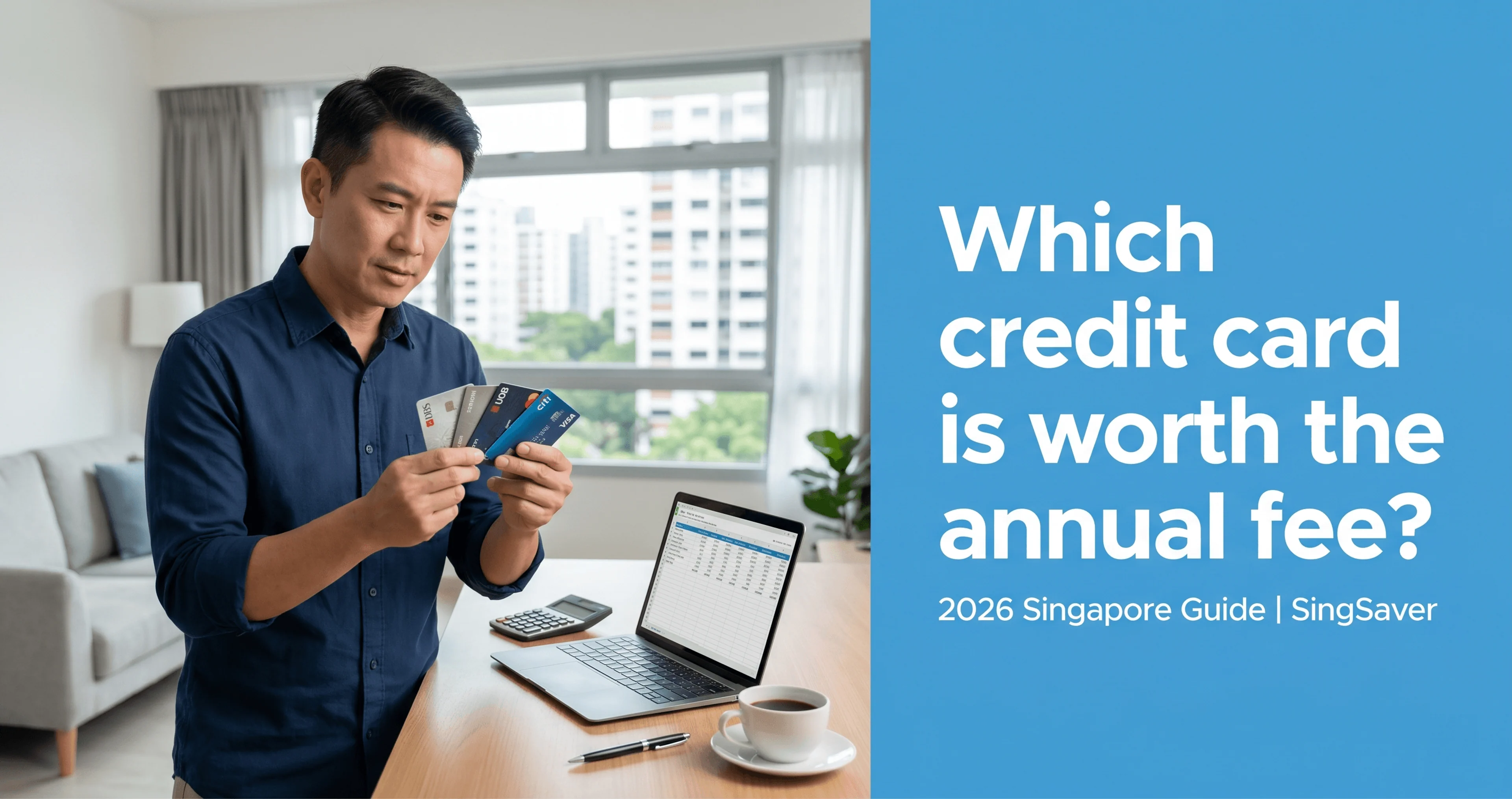
As we move through the years, the "waiver game" has fundamentally shifted. Banks have tightened their belts, automating rejections for those who don't hit specific spend thresholds. Meanwhile, the rise of digital banks has introduced a new era of fee-free banking. This guide breaks down the math to help you decide: is a credit card with an annual fee worth it, or is it time to cut the plastic?
Be one of the first 3 eligible applicants of an HSBC credit card at 3PM and 9PM daily to score a reward upgrade to Apple Watch Series 12 (GPS), 42mm Aluminium Case + Apple AirPods 5 (USB‑C) in place of SingSaver exclusive offer. Valid till 23 September 2026. T&Cs apply.
Score S$450 Upsized Cash, Dyson Airstrait, Dyson V8 Cyclone cordless vacuum, 28,000 Max Miles by HeyMax, or an ECOVACS DEEBOT MINI 2 when you apply for an HSBC Credit Card via SingSaver and fulfil promo requirements. Valid until 23 September 2026. T&Cs apply.
Before we dive into specific cards, we must understand the difference between the waiver psychology for cashback cards versus miles cards.
For cashback cards, the math rarely supports paying an annual fee. The fee directly dilutes your earnings.
Let’s take a standard 1.5% flat cashback card with a S$196.20 annual fee (inclusive of GST). To simply break even on that fee, you would need to spend:
S$196.20 ÷ 0.015 = S$13,080 You must spend over S$13,000 just to bring your net cashback earnings back to zero. For cashback cards, a fee waiver is not a luxury; it is a necessity. If the bank refuses a waiver on a cashback card, always cancel it. There are too many credit cards with annual fees that are permanently waived in this segment to justify paying.
Miles cards operate in a gray area. Banks use annual fees to manage the cost of providing premium perks like airport lounge access, limousine transfers, and miles. Here, the annual fee is not just a cost; it is a way to purchase these benefits, often at a discount.
For these cards, you are asking: Am I buying miles or perks at a price lower than their retail value?
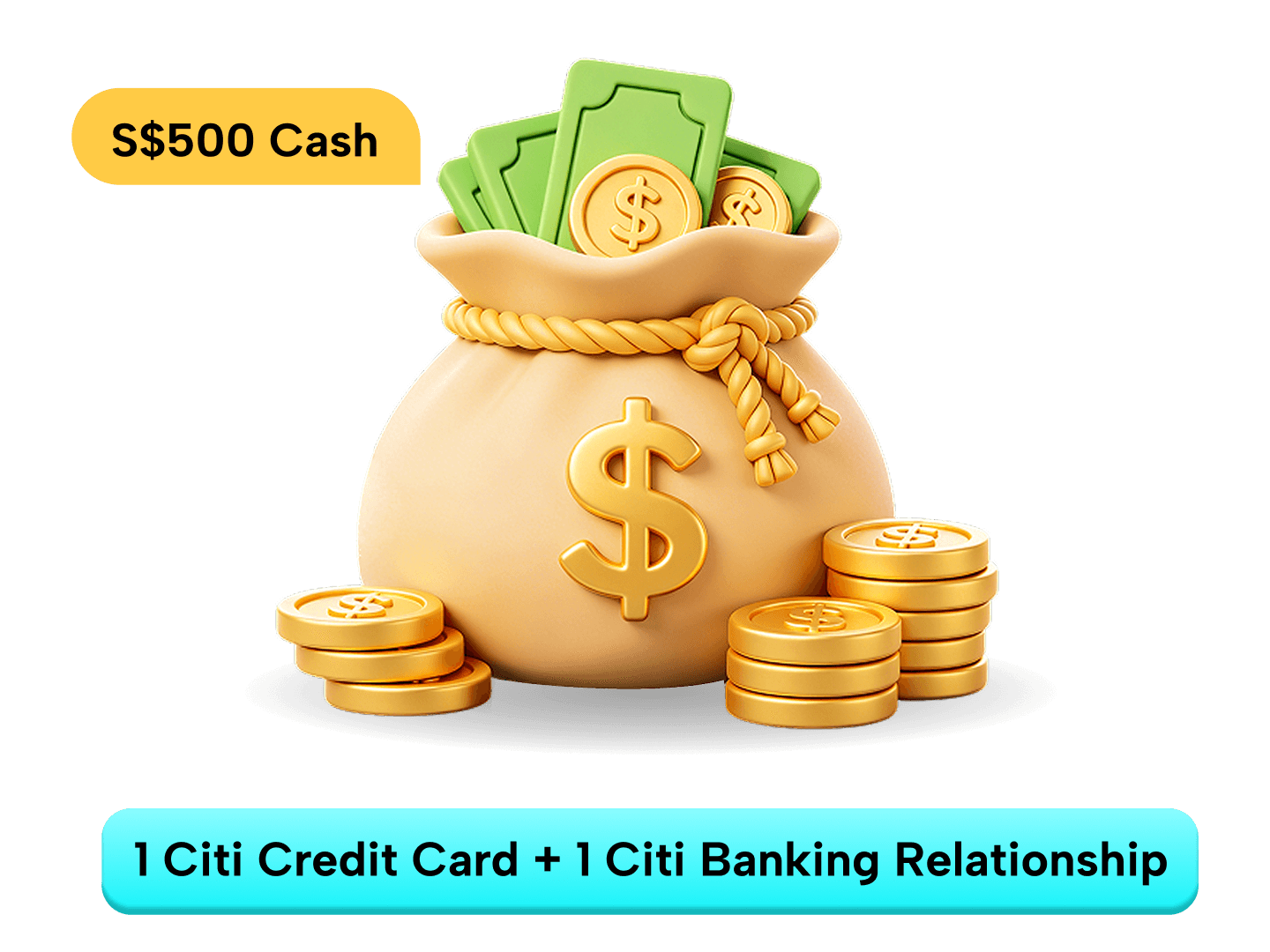
Score upsized S$500 Cash via PayNow in place of exisiting rewards when you apply for a Citi Credit Card, make a minimum spend of S$500 and hold a valid Citi banking account (existing or newly opened) by the end of the month following card approval. Valid till 30 September 2026. T&Cs apply.
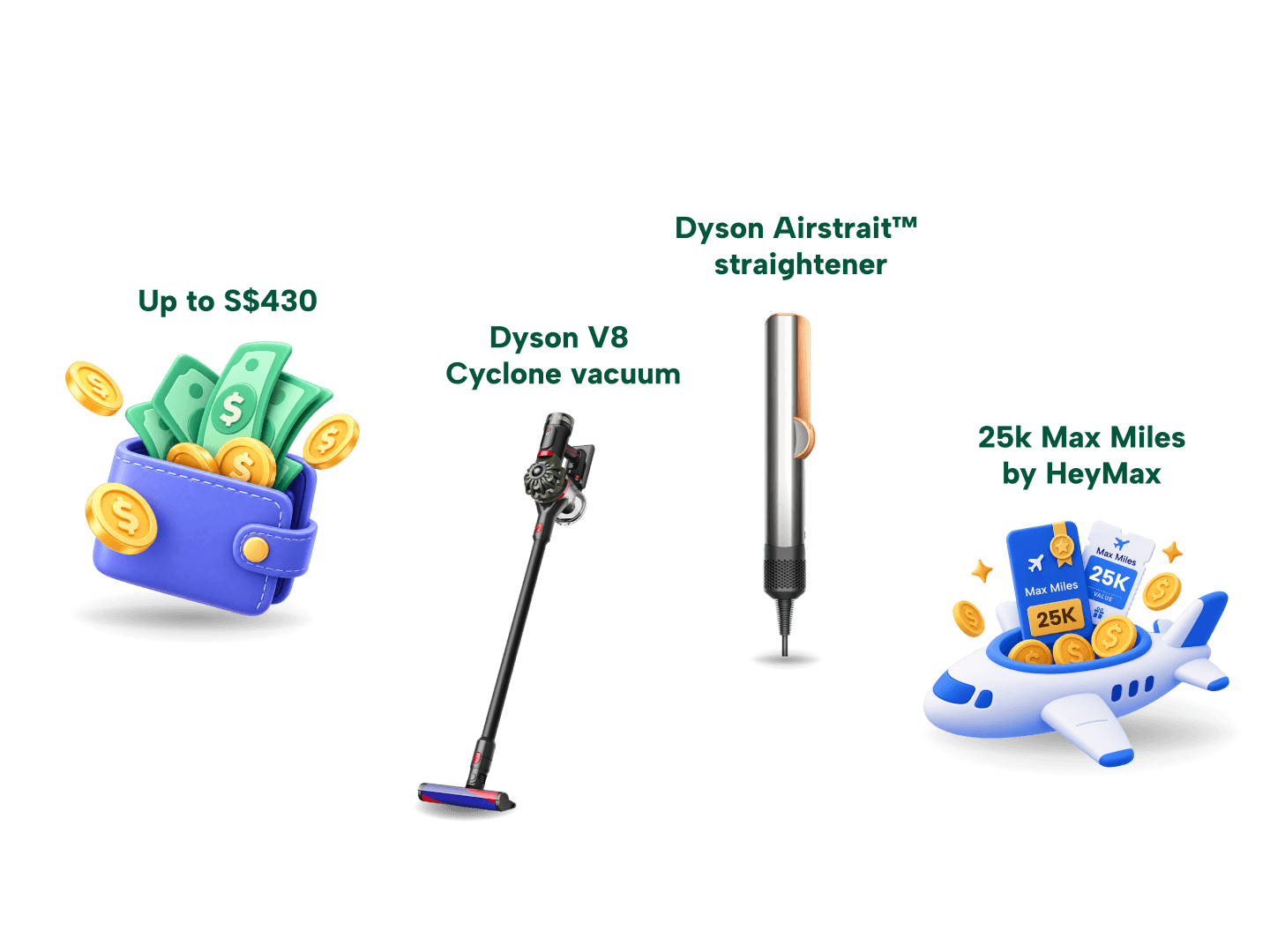
Apply for a Citi Cashback Credit Card via SingSaver and score S$400 Cash via PayNow, The Morning Coffee Machine + 20 Capsules Bundle, 25,000 Max Miles by HeyMax, Dyson Airstrait™ straightener, or Dyson V8 Cyclone Vacuum Cleaner upon activating and spending a minimum of S$500 within 30 days of card approval. Valid till 30 September 2026. T&Cs apply.
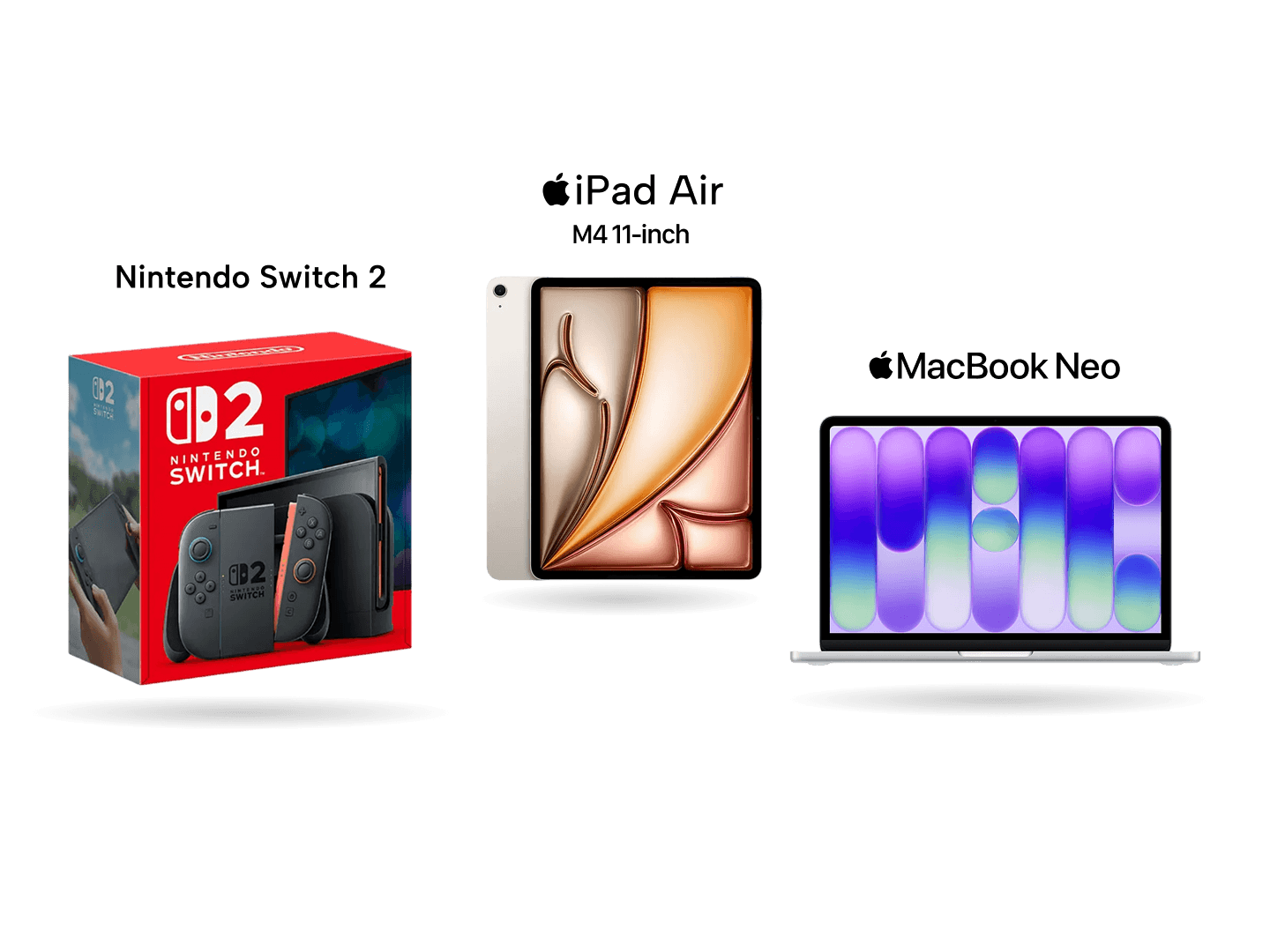
You can also top up from just S$100 to upgrade to the latest Dyson and Apple products, including the latest MacBook Neo 256GB Magic Keyboard. Valid till 30 September 2026. T&Cs apply.
The short answer: Only if the value of the perks exceeds the cost of the fee. Many Singaporeans fall into the trap of paying an annual fee simply out of habit. However, in 2026, a fee of S$196.20 (the standard for most mid-tier cards) should be viewed as a purchase. If you aren't getting at least S$200 in tangible value—whether through miles, lounge access, or lifestyle credits—the answer is a resounding "no."
Not all credit cards with annual fees are created equal. Some cards are designed to be "fee-heavy" because they provide outsized rewards. Here are the top contenders in 2026 that justify their cost:
For these cards, the annual fee is essentially a way to "buy" miles at a discount. In 2026, the benchmark value for a mile is roughly 1.2 to 1.4 cents.
| Card | Annual Fee (incl. GST) | Renewal Bonus | Cost Per Mile | Verdict |
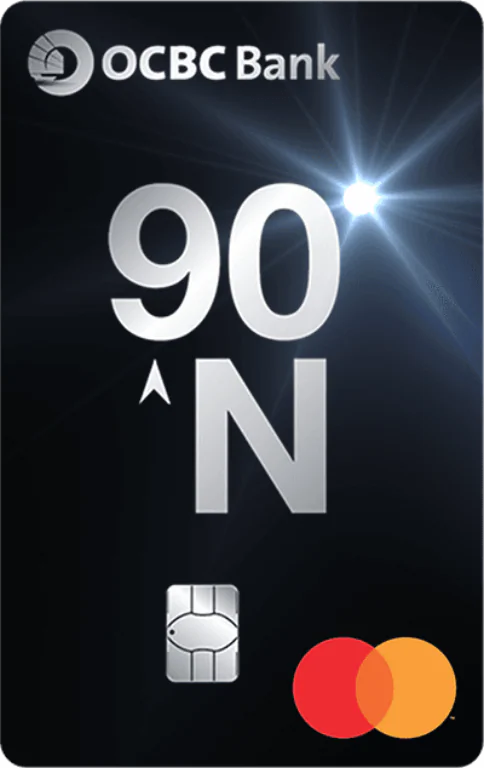
| OCBC 90°N |
S$196.20 |
10,000 miles |
1.96 cents |
Recommended. Miles never expire and can be converted at a 1:1 ratio. A solid choice for OCBC 360 account holders. |
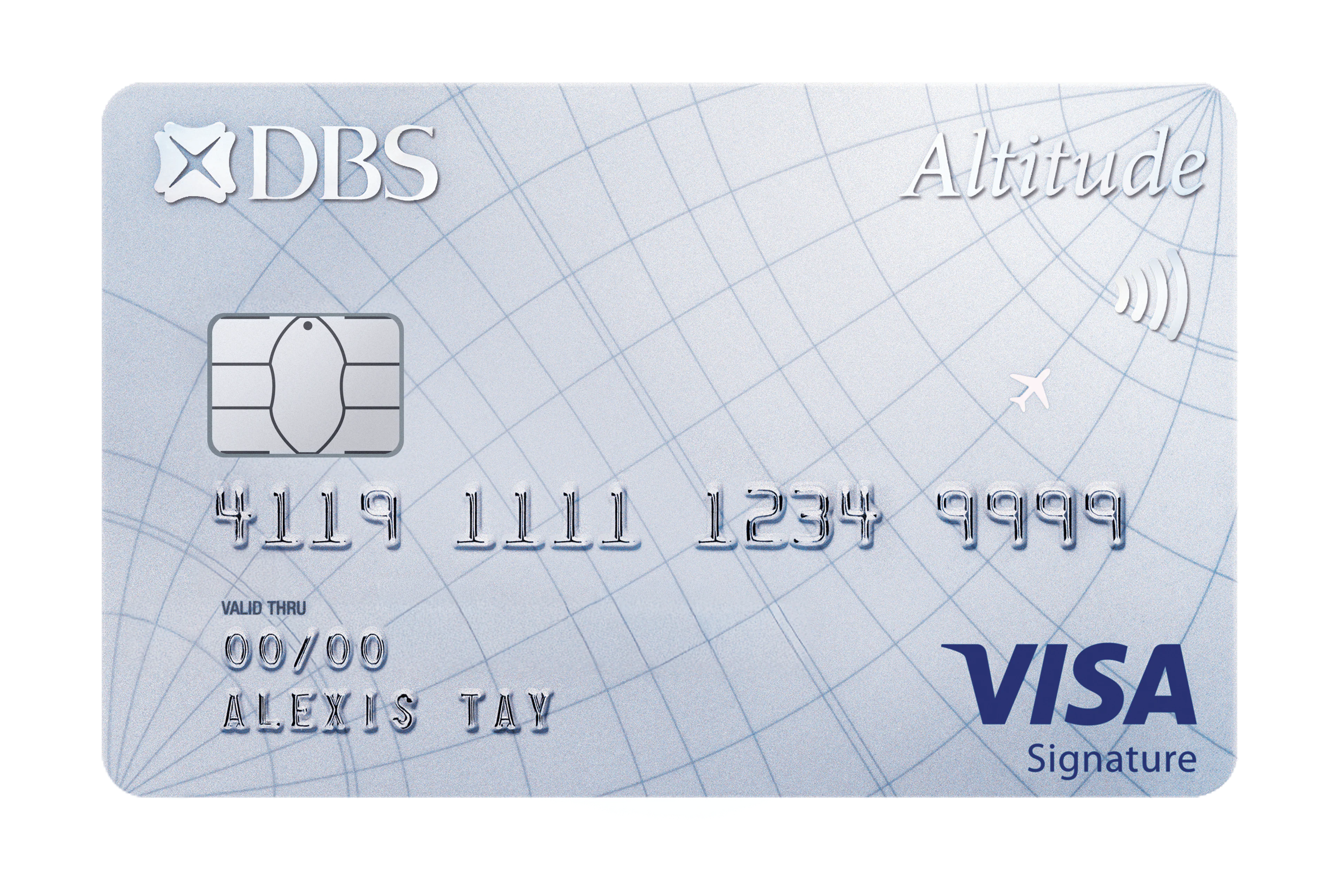
| DBS Altitude | S$196.20 | 10,000 miles | 1.96 cents | Neutral. Ask for a waiver first. |
| Citi PremierMiles | S$196.20 | 10,000 miles | 1.96 cents | Good. Miles never expire, making this a great "insurance policy" for travel. |
| HSBC TravelOne | S$196.20 | 12,000 miles | 1.63 cents | Worth it. Includes 4 shareable lounge visits per year. |
If you travel more than twice a year, certain premium cards pay for themselves through travel perks alone.
DBS Vantage (S$599.50): While the fee is steep, you receive 25,000 DBS Points (50,000 miles) and an Accor Plus Explorer membership (worth ~S$418). If you use the "Stay Plus" free hotel night and the 10 Priority Pass lounge visits, you are effectively "profiting" from the card.
OCBC VOYAGE (S$498): Offers unlimited DragonPass lounge access. If you travel monthly for work or leisure, the lounge access alone is worth over S$600 annually.
In 2026, banks have shifted from manual waiver handling to algorithmic retention strategies. When you ask for a waiver, the automated system looks at your total relationship value (TRV).
Total Annual Spend: If you spent over S$15,000–S$20,000, your chances of an instant bot waiver are high.
Spend Categories: Banks prefer customers who spend on high-interchange categories (like dining, travel, and luxury) over those who only use the card for low-fee insurance or utility bills.
Cross-Selling: Do you have a high-interest savings account (like OCBC 360 or UOB One) linked to your card spend? Banks are much more likely to waive fees to keep your deposits anchored.
Retention History: Have you received a waiver every year for five years? In 2026, banks are starting to reject "chronic waivers" to test your loyalty.
Banks have become highly efficient at automating "points clawbacks." If you received "Renewal miles" but successfully argued for a fee waiver, expect the bank to reverse those miles within 72 hours. If you have already spent those miles, they may even charge you a cash adjustment (often around S$0.04 per mile) for the miles you used but did not pay the fee for.
If you find that your current cards aren't worth the annual fee, consider switching to the "No-Fee" champions of 2026:
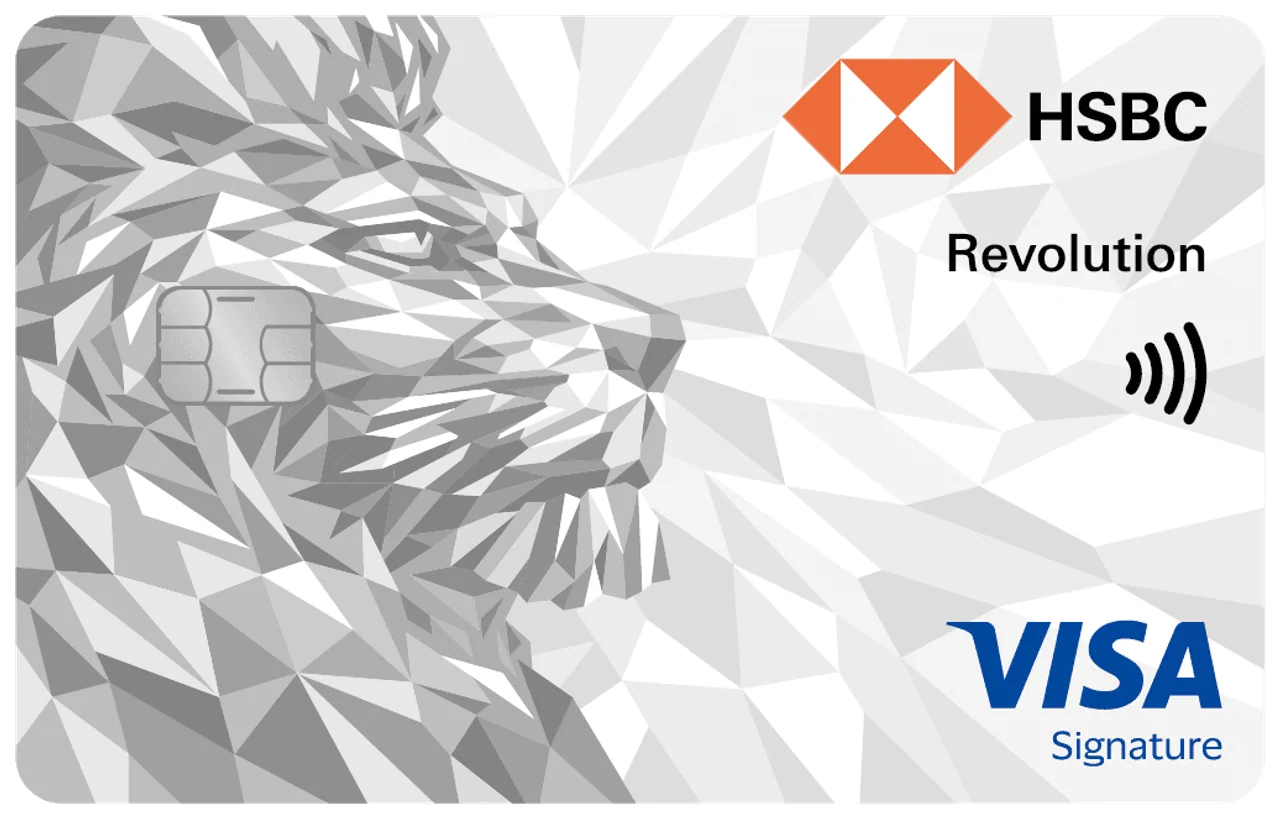
HSBC Revolution: Still the gold standard for 4 mpd on online/contactless spend with no annual fee ever.
Trust Cashback Card: Offers up to 15% cashback at FairPrice and zero foreign transaction fees, with a permanent S$0 annual fee.
Mari Credit Card: The go-to for Shopee loyalists, offering up to 5% rewards with no annual fee hurdles.
Paying an annual fee should be an investment decision, not an afterthought. Use this checklist before you pay that charge:
Can I Get it Waived? Always try the automated system (DBS Digibot, UOB automated form, OCBC chat). If the bot says "No," call the hotline and speak to a human agent. Retention specialists often have leeway the bot does not.
Do I Get Miles, and How Much Do They Cost? If the cost per mile is >1.5 cents, is this a time of year when you truly need those miles for a specific redemption?
Do I Use the Perks? Be honest. Did you use the four lounge visits last year? Did you book the free hotel night? If you have not touched the perks in 12 months, the card is not worth the fee.
Is There a Fee-Free Alternative? If the card is just a "daily spender" for cashback, cancel it and get a Trust or CIMB card.
Nowadays, paying an annual fee is an investment, not a chore. Before you pay, ask yourself: If this card were a subscription service like Netflix or Spotify, would I still pay for it? If the lounge visits are expired and the "renewal miles" cost more than a budget flight to Bangkok, it’s time to call the bank and exercise the "Art of the Fee Waiver."

Spending most of her young writer's phase working as a freelancer, Afina's written for various industries ranging from e-commerce, travel to health and finance. Her expertise lies in her ability to make complex subjects like finance easy to consume for everyday readers.