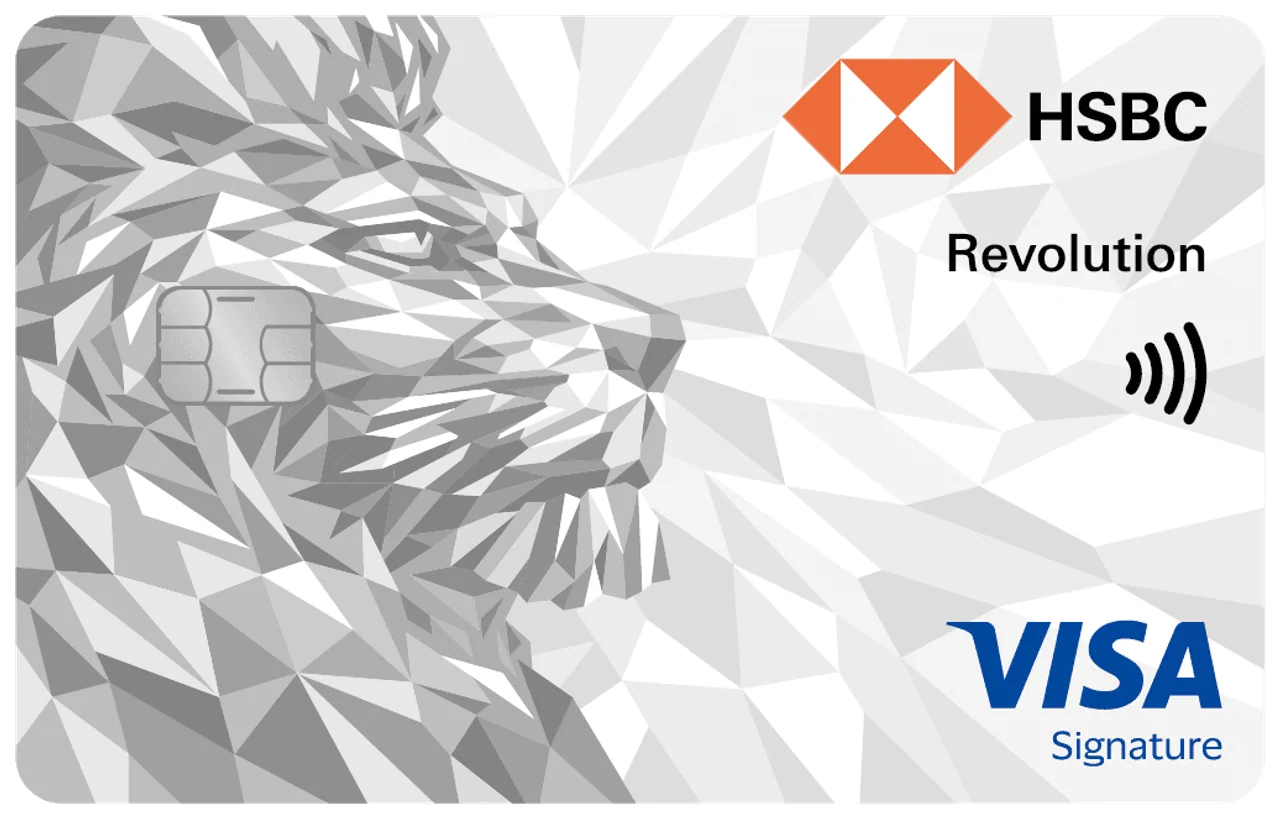
HSBC Revolution Credit Card
No Annual Fee
Updated: 20 May 2026
Credit cards make shopping smarter — with rewards, perks, and added security. Just remember to spend within your means to get the most out of every swipe.

Team

Shopping with a credit card can be incredibly rewarding—if you know how to use it wisely. From earning cashback and miles to enjoying robust fraud protection and flexible payment options, credit cards offer plenty of perks. But if you're not careful, the very same cards can lead to overspending, high interest charges, and late fees.
In Singapore’s evolving financial landscape, understanding the pros and cons of shopping with a credit card is essential. With the Goods and Services Tax (GST) standing firmly at 9%, making your money work harder for you is no longer just a bonus—it’s a financial necessity.
Whether you are looking to stretch your budget, secure your digital transactions, or maximize your retail therapy, here is an in-depth breakdown of shopping with credit card singapore options, along with what you need to look out for.
» MORE: Credit card combinations to max out cashback and miles
We’ve reviewed the top credit cards in Singapore — so you don’t have to.
In Singapore, credit cards are accepted nearly everywhere—online, in physical stores, and even at hawker centres via contactless QR and terminals. You can seamlessly link your card to mobile wallets like Apple Pay, Google Pay, and Samsung Pay for faster, tap-and-go transactions. This eliminates the hassle of fumbling with cash or hunting down an ATM.
This extreme ease of use is what makes a credit card ideal for shopping and retail spending. Whether you are checking out your retail haul on Shopee or Lazada, or paying for your weekly groceries, the transaction is fast, secure, and completely seamless.
One of the most compelling credit card benefits is the ability to earn valuable returns on money you were already planning to spend. In Singapore, cards are highly specialized, offering optimized reward structures like direct cashback, reward points, or air miles.
Using a dedicated credit card for online shopping allows you to rack up massive rewards. For instance, the DBS Woman's World Mastercard awards 4 miles per dollar (mpd) on online purchases (capped at S$1,500 per calendar month), making it a favorite for e-commerce shoppers. Similarly, the *Citi Rewards Card* offers 10X Points (equivalent to 4 mpd) on online and shopping categories (capped at S$1,000 per monthly statement cycle).
For cashback lovers, cards like the UOB EVOL Card offer up to 10% cashback on online and contactless spending, provided you hit their minimum monthly spend requirement. By aligning your card with your retail habits, your regular shopping can fund your next holiday or offset your next bill.
Sometimes major, unexpected expenses arise—such as an urgent laptop replacement for work, a broken refrigerator, or a last-minute travel booking. When you don't want to deploy a large sum of cash immediately, credit cards offer a temporary financial buffer through 0% interest instalment plans.
Major providers like UOB, OCBC, and HSBC allow you to split these big-ticket purchases over fixed tenures (typically 3, 6, 12, or 24 months). Instead of completely dipping into your emergency savings, you can break down a heavy cost into predictable, bite-sized monthly chunks.
While maintaining an emergency fund covering three to six months of expenses remains the gold standard of personal finance, building one takes time. A credit card serves as a crucial secondary safety net when emergency expenses strike.
Furthermore, credit cards offer an unparalleled security advantage over debit cards. Since funds are not instantly deducted from your actual bank account, you enjoy a payment buffer. Modern security features in Singapore have also leveled up: major retail banks now integrate "Money Lock" features and digital "Kill Switches" into their apps. If you ever suspect your card details have been compromised during an online shopping spree, you can instantly lock down your credit limit with a single tap, protecting your hard-earned cash from fraud.
The primary disadvantage of shopping with a credit card stems from psychology. Research shows that paying with plastic or digital wallets minimizes the "pain of paying" compared to physically handing over cash.
Because credit limits in Singapore are typically set at up to four times your monthly salary, it can create a false sense of financial security. If you do not actively track your retail spending via your mobile banking app, it is dangerously easy to blow past your actual budget, leading to an unaffordable bill at the end of the month.
Credit cards are a fantastic tool if you pay your statement balance in full and on time every month. However, if you choose to roll over your balance or pay only the "Minimum Payment" (typically 3% or S$50, whichever is higher), you will trigger compounding interest.
Currently, prevailing purchase interest rates across major Singapore banks range between 26.9% to 27.9% per annum. This high rate can quickly cause a modest shopping balance to spiral into a debt trap. Additionally, missing your payment due date by even a single day will attract a harsh Late Payment Charge of S$100, instantly wiping out any cashback or rewards you worked hard to accumulate.
While 0% instalment plans sound entirely free, you must read the fine print. Many credit card issuers now levy a one-time upfront administrative or processing fee (ranging from 1% to 5% of the transaction amount) to set up the plan. This processing fee introduces an Effective Interest Rate (EIR) that you must factor into your cost calculations.
Additionally, if you are shopping on international e-commerce sites or buying from overseas retailers in foreign currency, be prepared for foreign transaction fees. Singapore banks typically charge between 2.8% to 3.25% for processing foreign currency transactions, which can quickly add up if you are cross-border shopping.
Every single action you take with your credit card—whether it is a timely full payment, a late fee, or carrying a high outstanding balance—is meticulously tracked by Credit Bureau Singapore (CBS).
Utilizing too much of your total available credit limit (having a high credit utilization ratio) or consistently rolling over balances signals financial stress to financial institutions. A damaged CBS score can severely hurt your borrowing power in the future, potentially leading to the rejection of critical long-term loan applications, such as a mortgage for your HDB flat or a car loan.
A common trap for new cardholders is assuming that every single swipe or online checkout will automatically qualify for rewards. In reality, Singaporean banks enforce very strict Merchant Category Code (MCC) exclusions.
Common retail exceptions include e-wallet top-ups (such as topping up GrabPay or ShopeePay), insurance premium payments, school fees, utility bills, and government transactions. If you do not verify your bank's specific exclusion list, you risk spending thousands of dollars on retail platforms without earning a single mile or dollar of cashback.
| Pros | Cons |
| Seamless Convenience: Fast, contactless, and digital wallet-integrated transactions anywhere in Singapore. | Risk of Overspending: The "invisible" nature of digital cash can lead to impulse buys and exceeding your budget. |
| Value Maximization: Earn high-tier cashback, reward points, or air miles to offset the impact of 9% GST. | High Compounding Interest: Outstanding rolled-over retail balances attract high interest rates of 26.9% to 27.9% p.a. |
| Cash Flow Flexibility: 0% interest instalment plans break down large purchases into manageable monthly tenors. | Hidden Upfront Costs: Admin/processing fees on instalment plans and 2.8% to 3.25% foreign transaction fees. |
| Advanced Fraud Protection: Zero-liability policies backed by instantaneous app-based Money Lock and Kill Switches. | Credit Score Damage: Late payments or high credit utilization negatively impact your official CBS report. |
| Synergy with Savings: Spending on linked credit cards unlocks bonus interest tiers of 3% to 4.5% p.a. on high-yield bank accounts. | Reward Exclusions: Strict MCC rules mean zero rewards on e-wallet top-ups, insurance, and specific categories. |
Ultimately, when considering the pros and cons of shopping with a credit card, the scales lean heavily in favor of credit cards—provided you exercise strict financial discipline.
If you treat your credit card like a debit card—charging only what you can comfortably afford to pay off in full every single month—you effectively eliminate the downsides of interest charges and late fees. In return, you get to enjoy enhanced security, flexible cash flow, and robust credit card benefits that put real money back into your pocket.
Looking to save on interest or rack up more rewards? Compare the top credit cards in Singapore.

At SingSaver, we make personal finance accessible with easy to understand personal finance reads, tools and money hacks that simplify all of life’s financial decisions for you.