Should I Use My Credit Card to Pay for Everything?
Updated: 15 Jun 2026
You can use your credit card to pay for virtually everything in Singapore. Here’s why you should, and how you can do so safely.

In Singapore’s increasingly cashless society, pulling out plastic or tapping your phone at the terminal has become second nature. From buying your morning kopi to paying for big-ticket electronics, plastic dominates. But it begs an important question: should i use my credit card for everything?
While maximizing your air miles or stacking up cashback points sounds like an absolute win, treating your plastic as a universal payment method requires a strategy. Here is a comprehensive breakdown of the pros and cons of using a credit card for all purchases, along with an updated look at how it impacts your wallet and how to use a credit card responsibly.

Find the right credit card for you in no time. 💳✨
Compare exclusive offers on SingSaver across cashback, miles, and rewards cards—plus enjoy stackable welcome gifts.
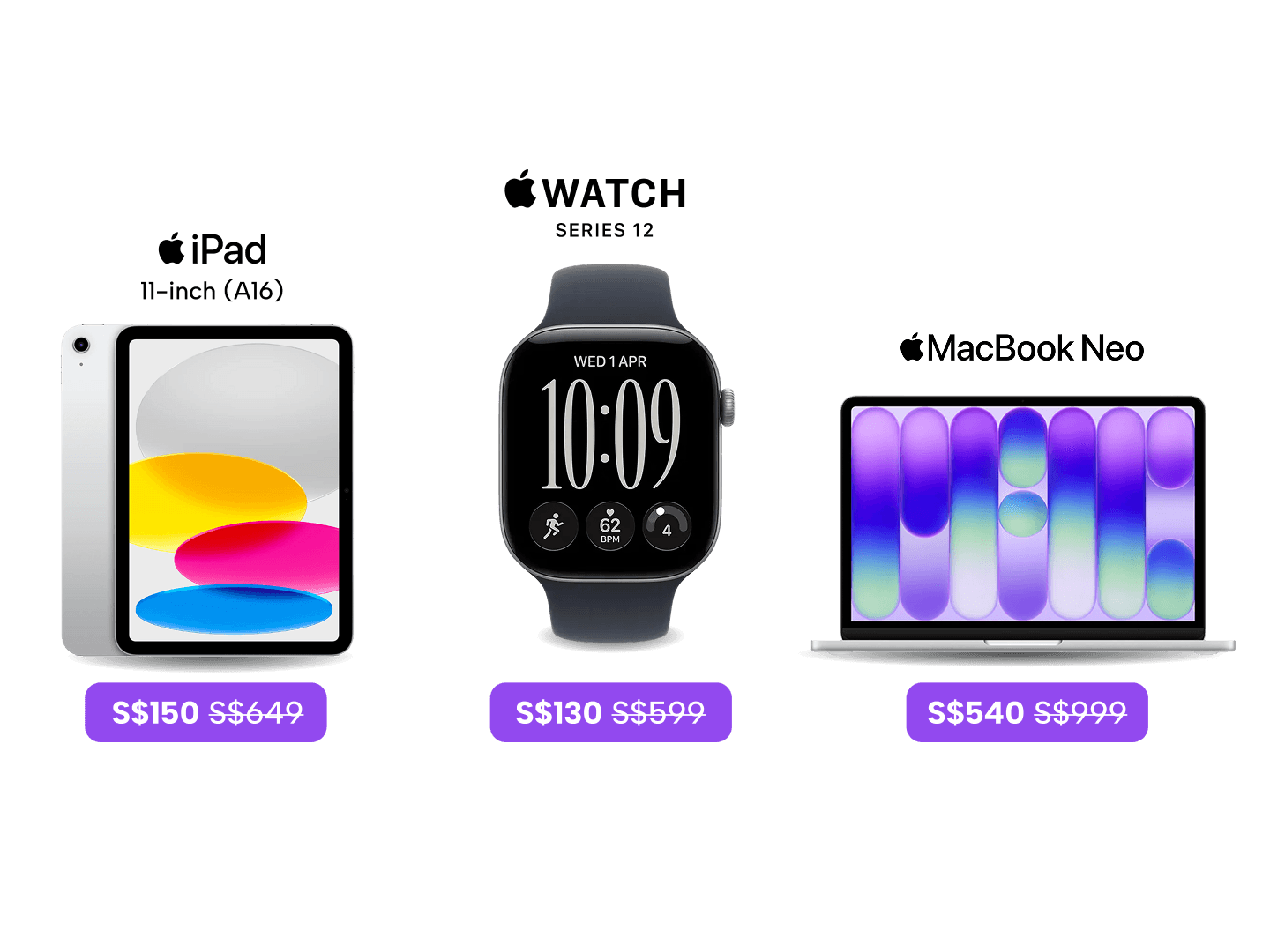
Upgrade to a premium Apple device for less! 🍎
Turn your reward into a sleek Apple tablet, headphones or laptop with a top-up starting from just S$130. Apply for select credit cards and take your pick. T&Cs apply.
Paying with credit cards - pros and cons
|
Pros |
Cons |
|
Maximize reward points, air miles, or cashback |
Can create a debt trap |
|
Helps build your credit score |
Regulatory boundaries: The MAS limit |
|
Consolidated expense tracking |
Potential negative impact on your credit score |
|
Added consumer protection and fraud mitigation |
Easy to overspend |
Pros of paying with credit cards
1. Maximize reward points, air miles, or cashback
The primary argument to use credit card for all purchases is the sheer volume of rewards you can accumulate. When you funnel your fixed monthly overheads alongside your variable retail spending through the right card, you turn standard expenses into subsidised holidays or direct cash rebates.
Using a dedicated credit card for daily expenses like groceries, public transport via SimplyGo, and dining can fast-track your rewards. If you pay with cash or NETS, your expenditure simply stops at the transaction. By routing it through a credit card, you are effectively getting a 1.6% to 8% return on money you were going to spend anyway.
2. Helps build your credit score
Every time you swipe, you create a paper trail with Credit Bureau Singapore (CBS). Consistently charging items to your card and clearing the balance in full by the due date demonstrates to financial institutions that you are a reliable borrower.
Building a clean, stellar credit history (ideally maintaining a Risk Grade AA) is crucial for milestones down the road. When the time comes to apply for big-ticket financing—such as a HDB housing loan, a bank mortgage, or a car loan—banks rely heavily on your CBS report to determine your interest rates and loan approval limits.
3. Consolidated expense tracking
When you use a single credit card for everyday spending, your monthly e-statement acts as an automated ledger. Instead of manually logging every individual transaction across various merchants, apps, and hawkers, you can look at a single, itemized document at the end of the month to see exactly where your money went.
4. Added consumer protection and fraud mitigation
Credit cards offer a layer of security that debit cards and cash simply cannot match. If your card is compromised or used fraudulently, the money does not leave your bank account immediately. You can dispute unauthorized transactions with your bank under card network rules (Visa, Mastercard, or Amex).
Furthermore, many premium cards provide built-in e-commerce purchase protection or complimentary travel insurance when you book flights using that specific card.
Safer to carry and use than cash
Unless you’re a fugitive on the run, paying with your credit card is almost always preferable to using cash.
This is because carrying one card around is much easier and more convenient than walking around with a stash of cash. Also, should your credit get stolen or taken, all you have to do is to inform your bank and block your card to keep the funds in your bank account safe.
On the other hand, cash that is stolen or lost is exceedingly hard to get back. Even if the culprit is caught, they might have already spent the cash they took from you, and there’s no guarantee of compensation.
Card | Hot Reward Pick | SingSaver Reward | Card Benefit | Minimum Annual Income | Annual Fee | ||
|---|---|---|---|---|---|---|---|
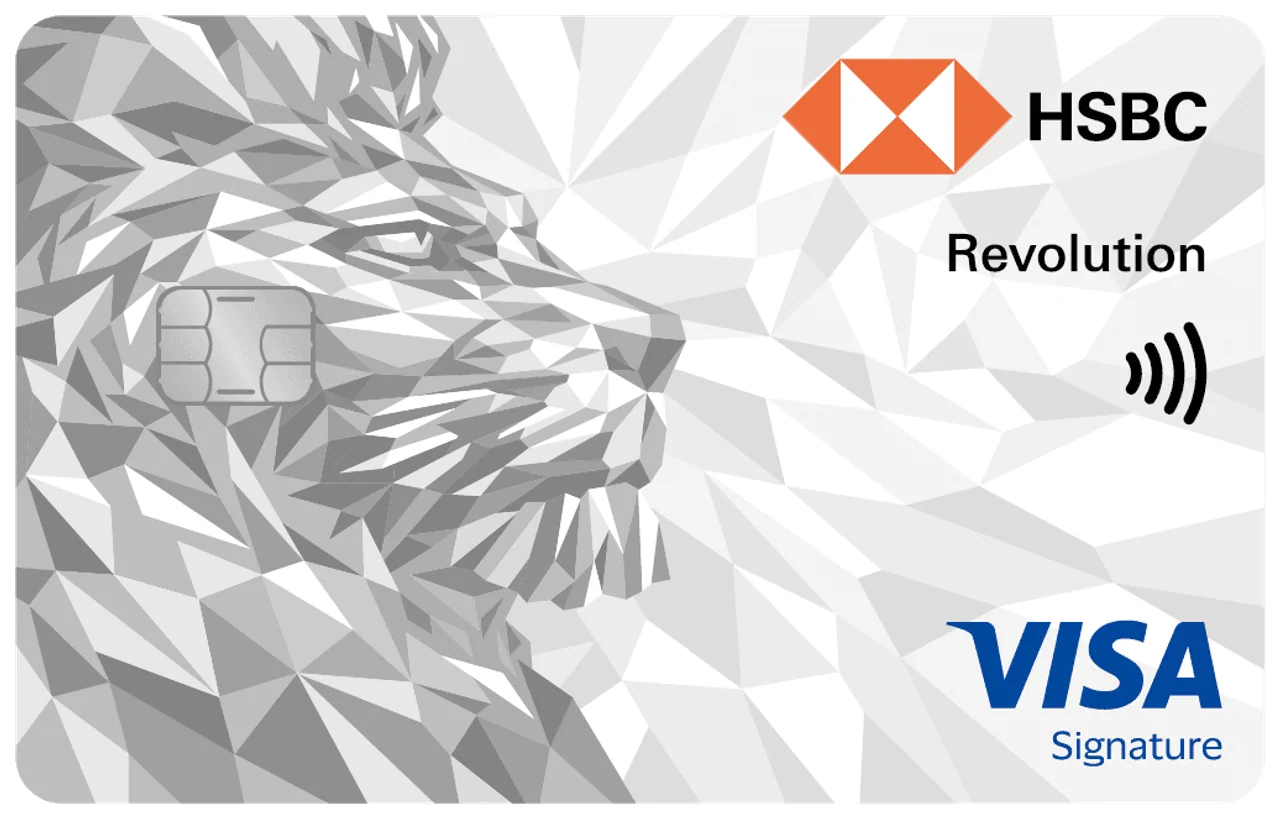 | HSBC Revolution Credit Card | S$799 | 0.4 - 4 | S$65,000 | No Annual Fee | ||
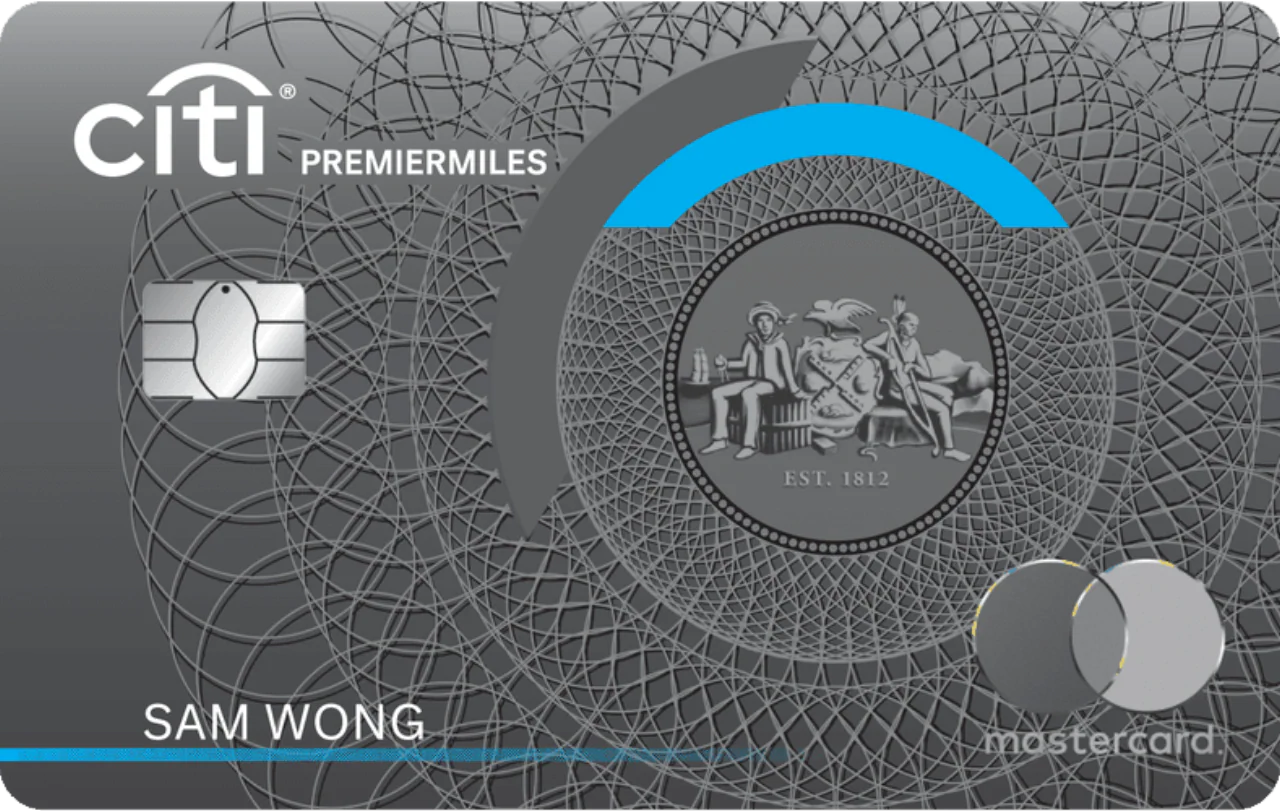 | Citi PremierMiles Card | - | - | 1.2 - 10 | S$30,000 | S$196.20 | |
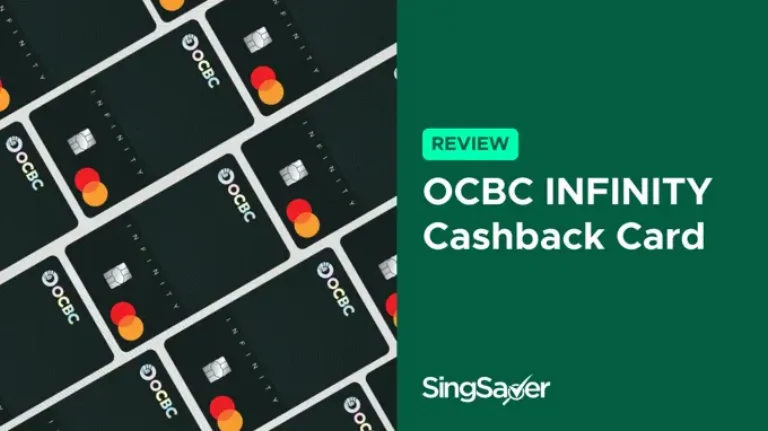
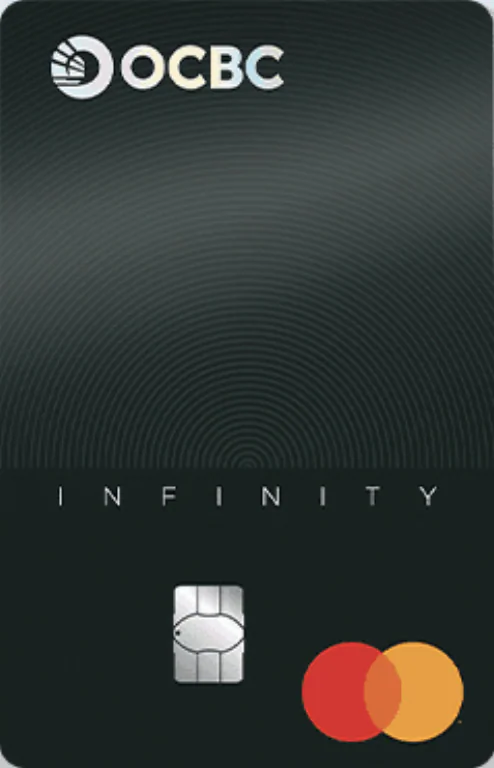 | OCBC INFINITY Cashback Credit Card | S$799 | 1.6 % | S$30,000 | S$196.20 | ||
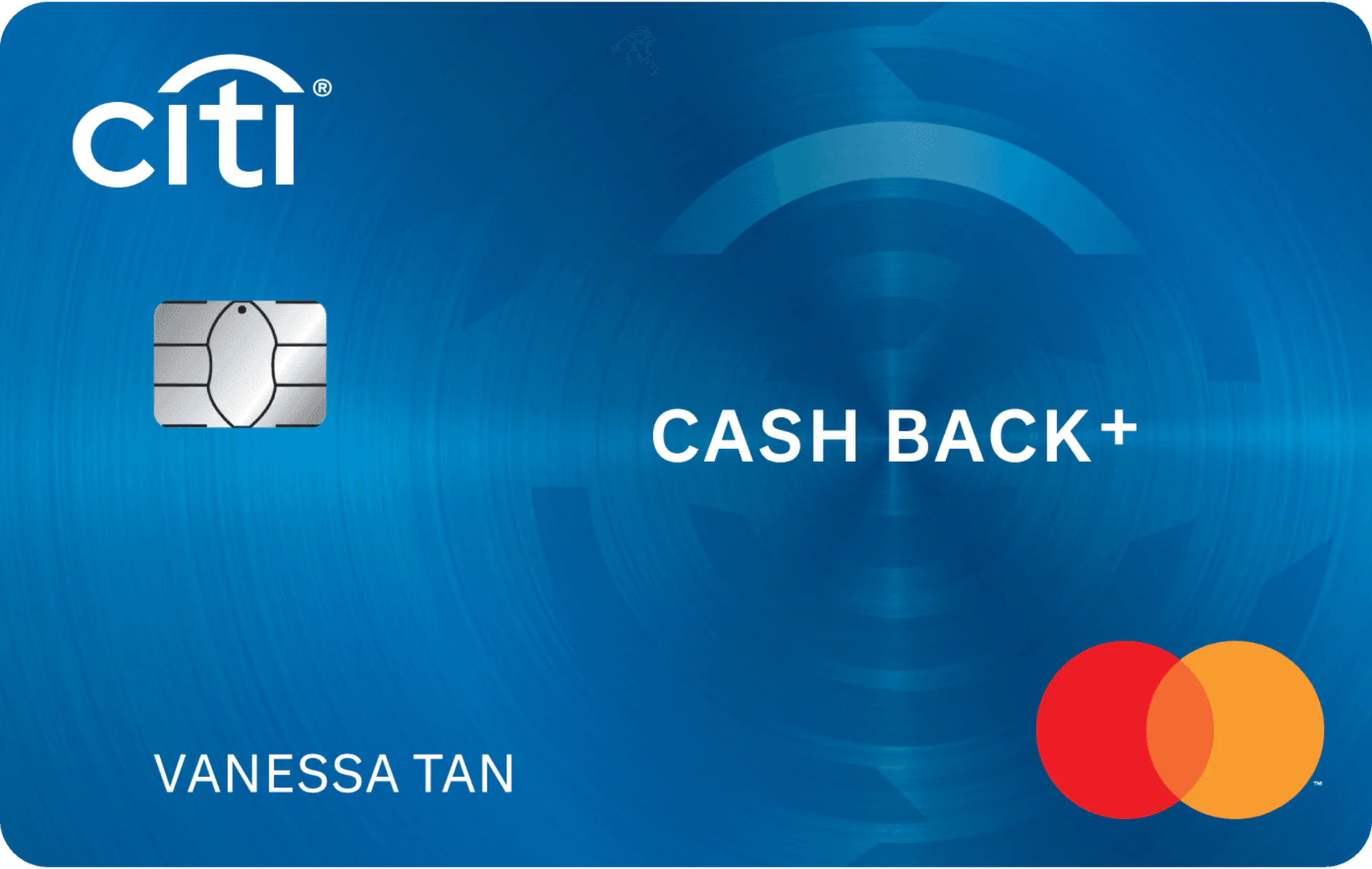 | Citi Cash Back+ Card | S$2,300 | 1.6 % | S$30,000 | S$196.20 | ||
 | OCBC 365 Credit Card | S$799 | 0.25 - 6 % | S$30,000 | S$196.20 | ||
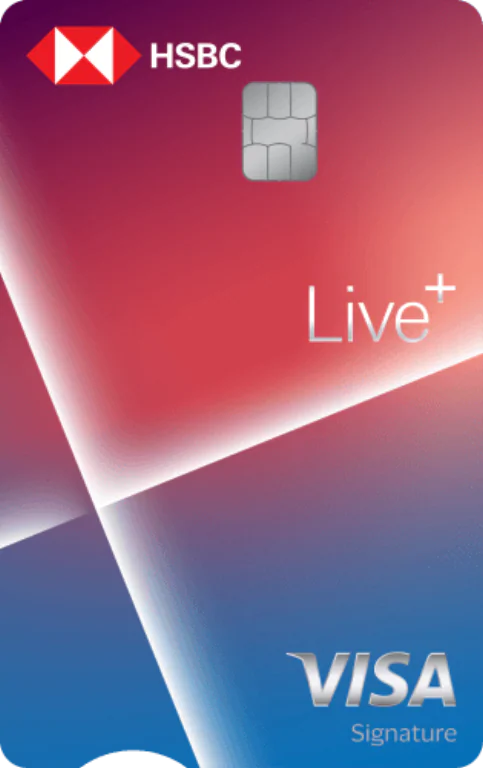 | HSBC Live+ Credit Card | - | - | 0.3 - 8 % | S$65,000 | S$196.20 | |
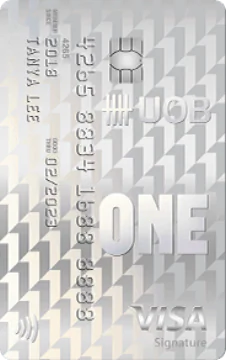 | UOB One Card | S$599 | 3.33 - 10 % | S$30,000 | S$196.20 | ||
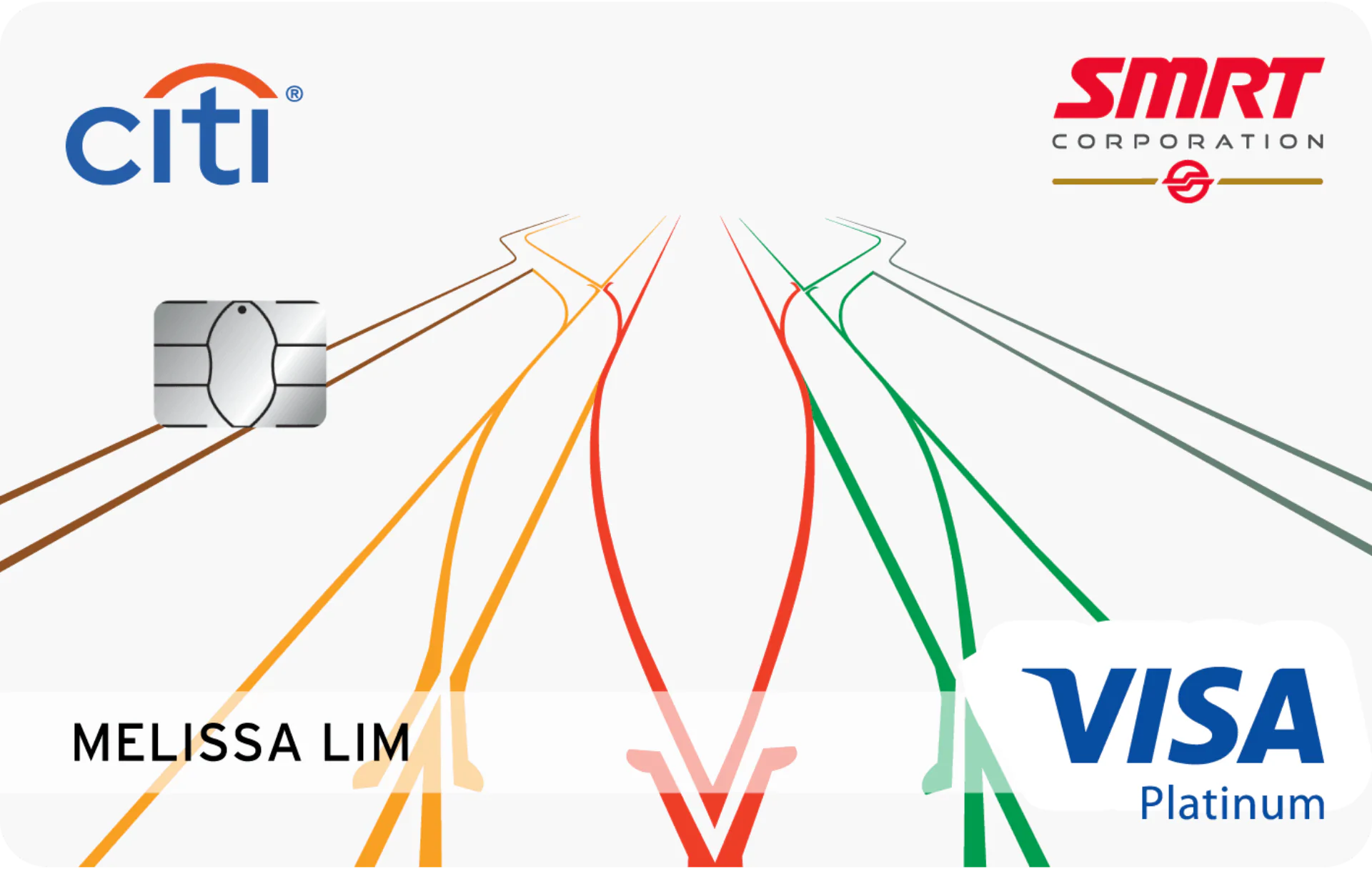 | Citi SMRT Card | S$3,099 | 0.3 - 5 % | S$30,000 | S$196.20 | ||
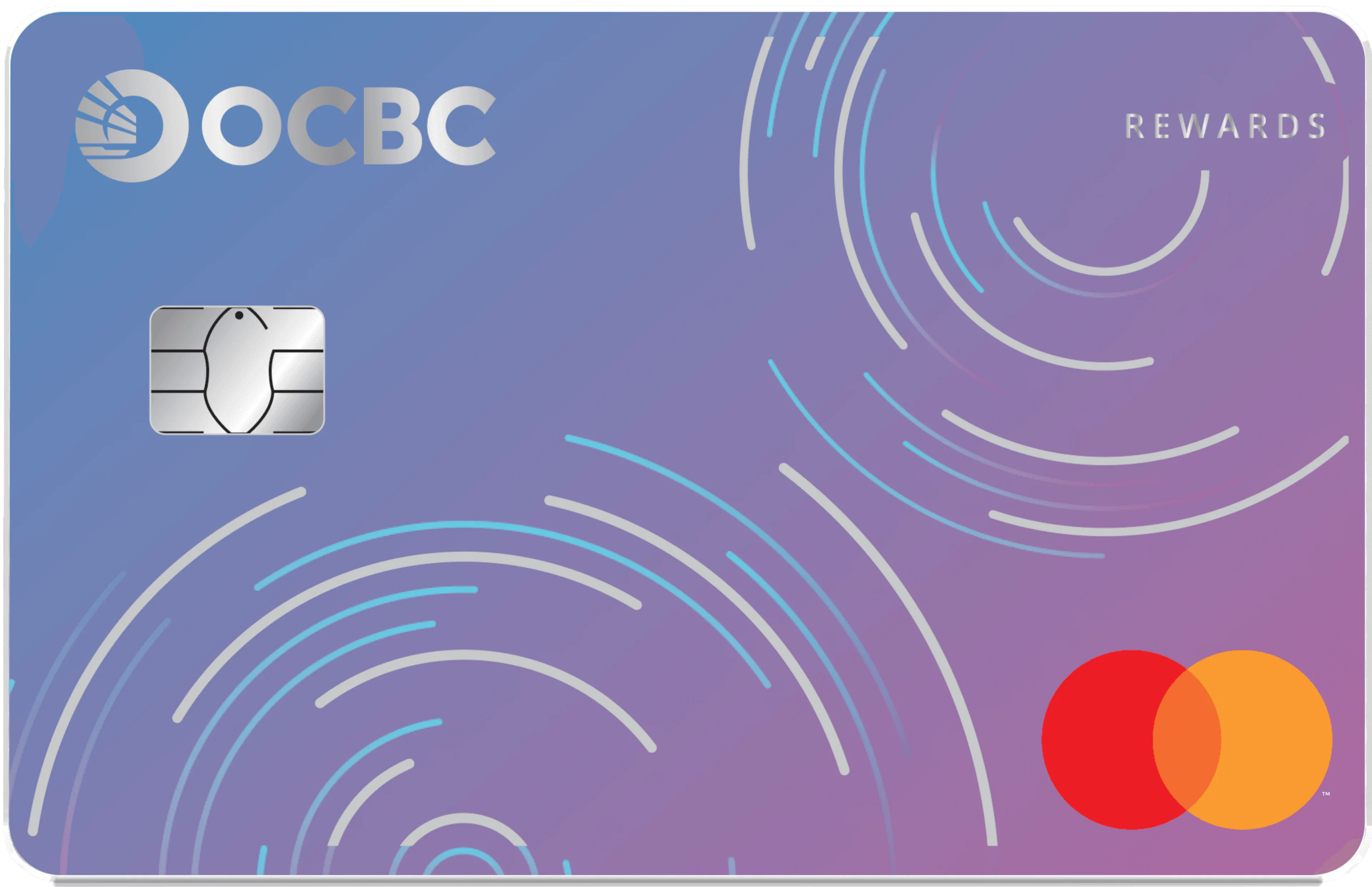 | OCBC Rewards Credit Card | - | - | 1 - 15 | S$30,000 | S$196.20 | |
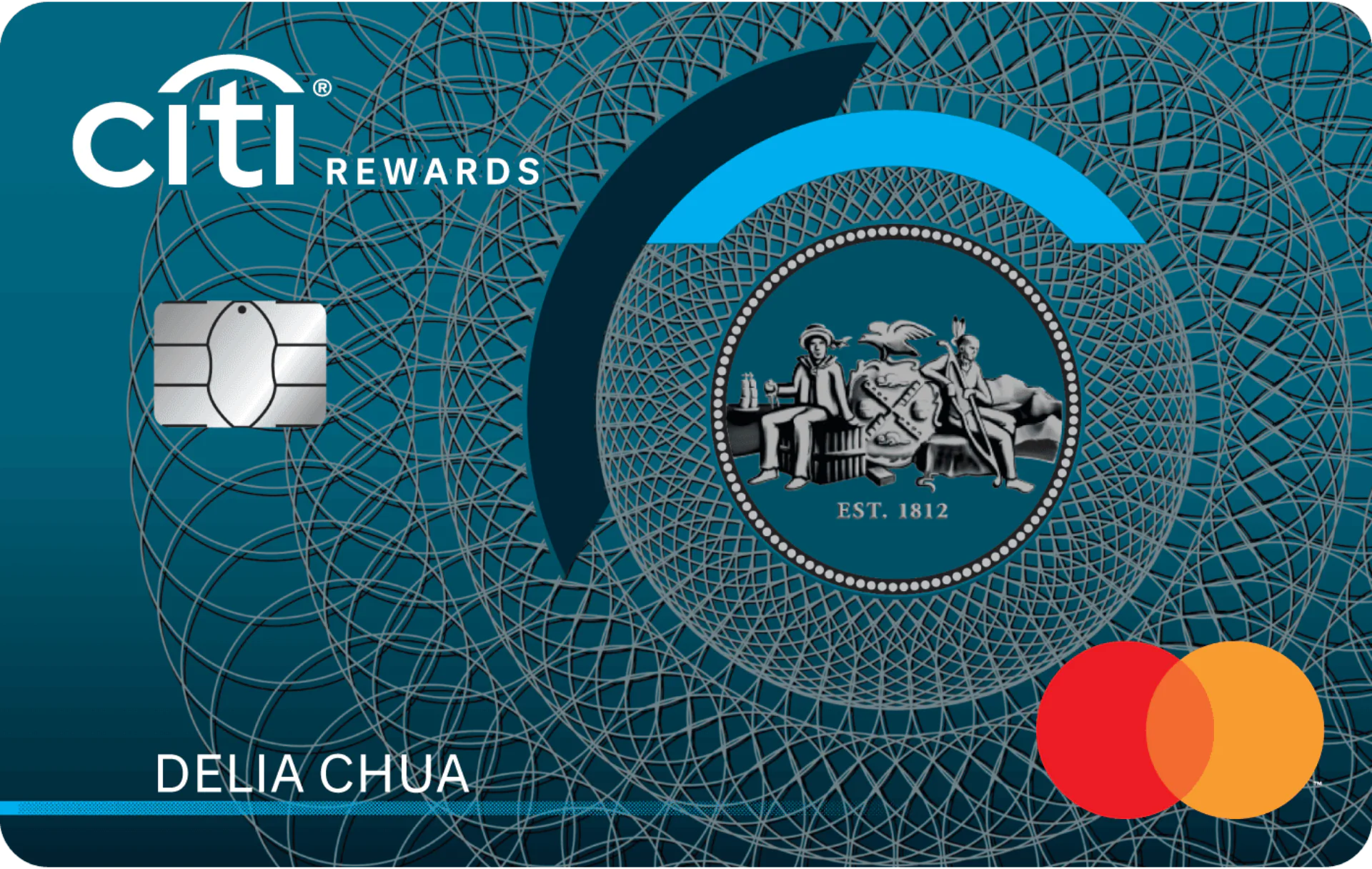 | Citi Rewards Card | S$3,299 | 1 - 10 | S$30,000 | S$196.20 | ||
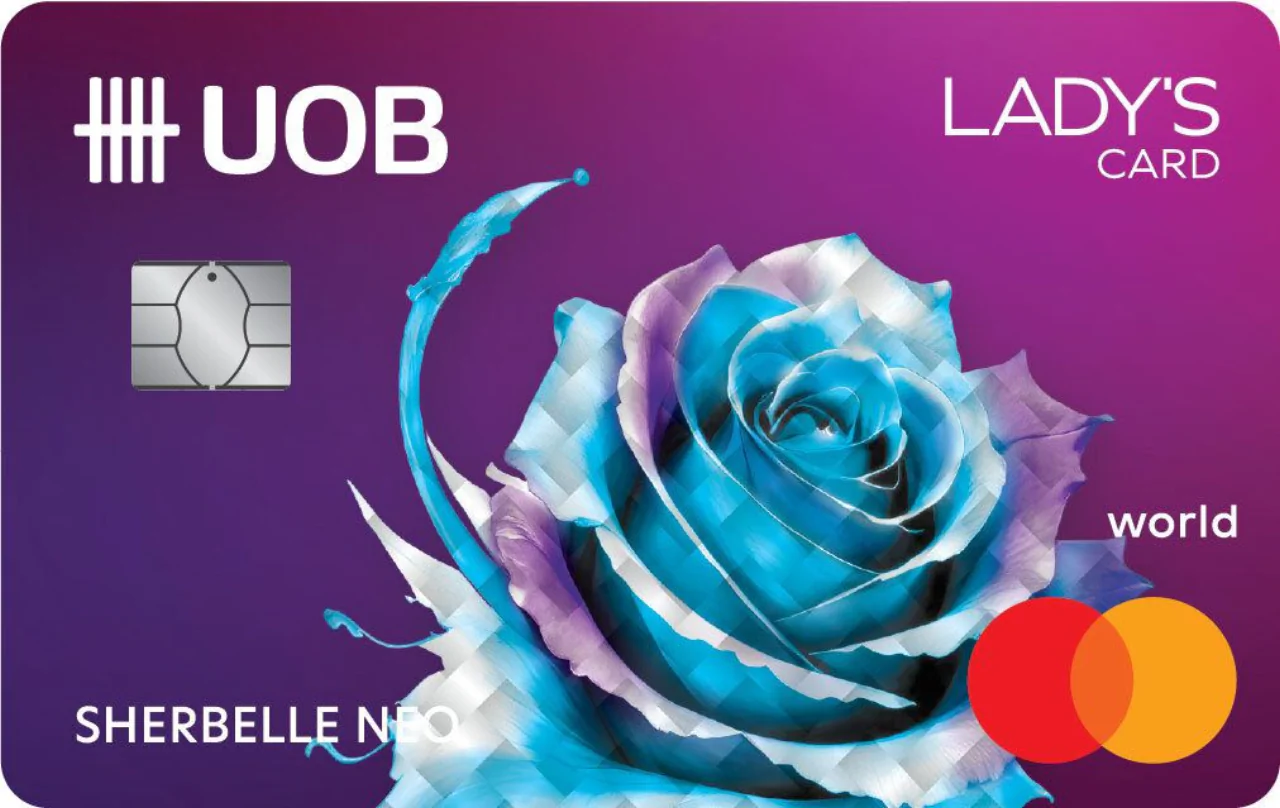 | UOB Lady's Card | S$400 Cash via PayNow | S$599 | 0.4 - 10 | S$30,000 | S$196.20 | |
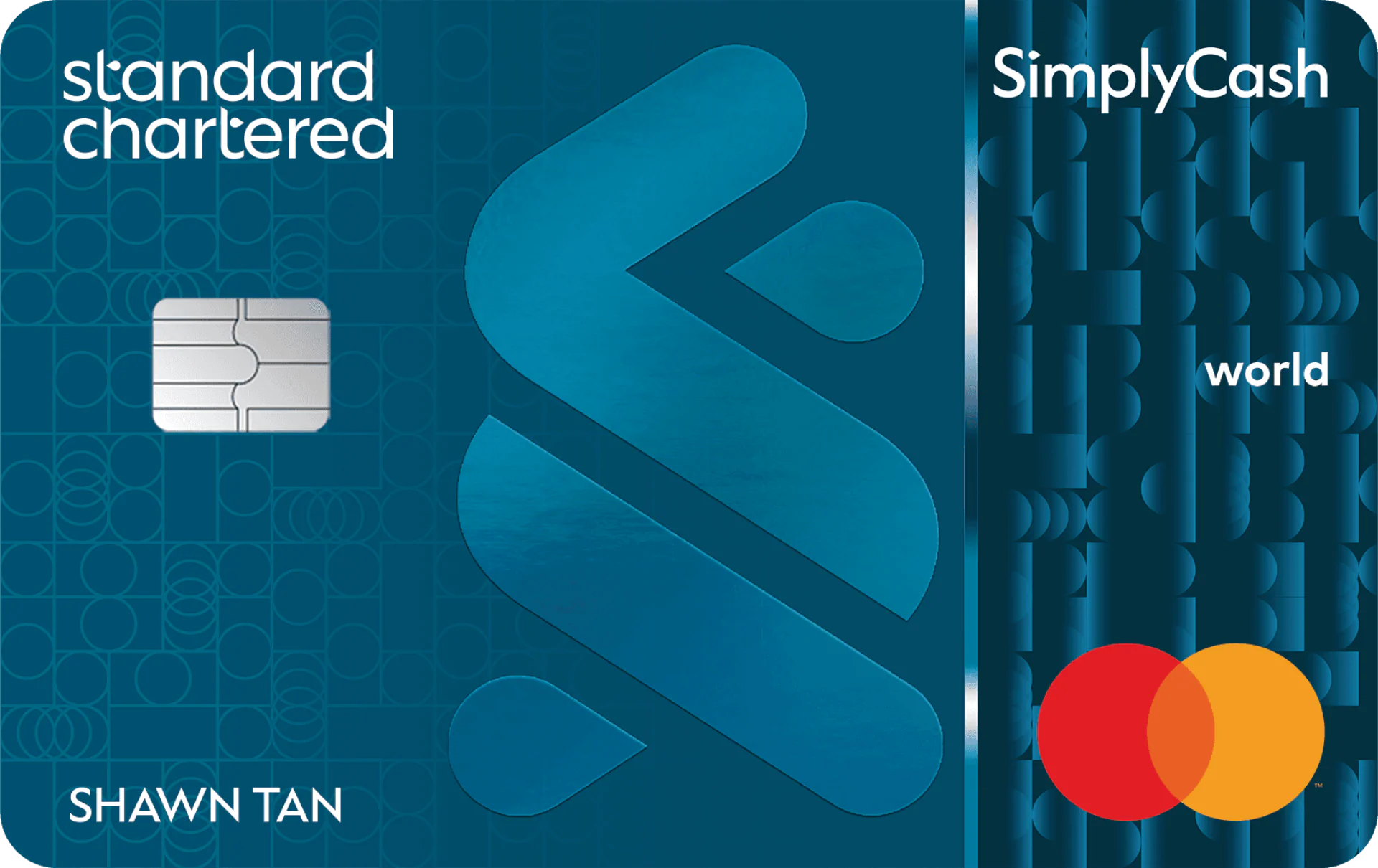 | Standard Chartered Simply Cash Credit Card | - | - | 1.5 % | S$30,000 | S$196.20 | |
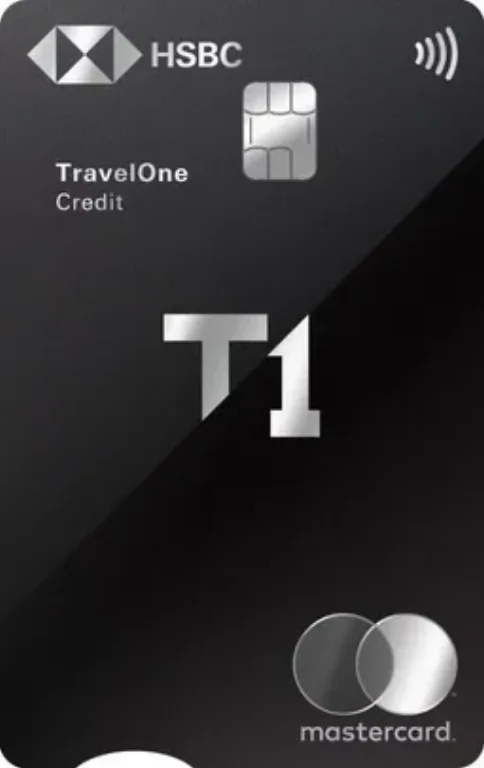 | HSBC TravelOne Credit Card | - | - | 1.2 - 2.4 | 65,000 | S$196.20 | |
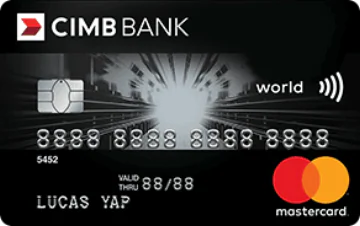 | CIMB World Mastercard | S$1,200 | 1 - 2 % | S$30,000 | No Annual Fee | ||
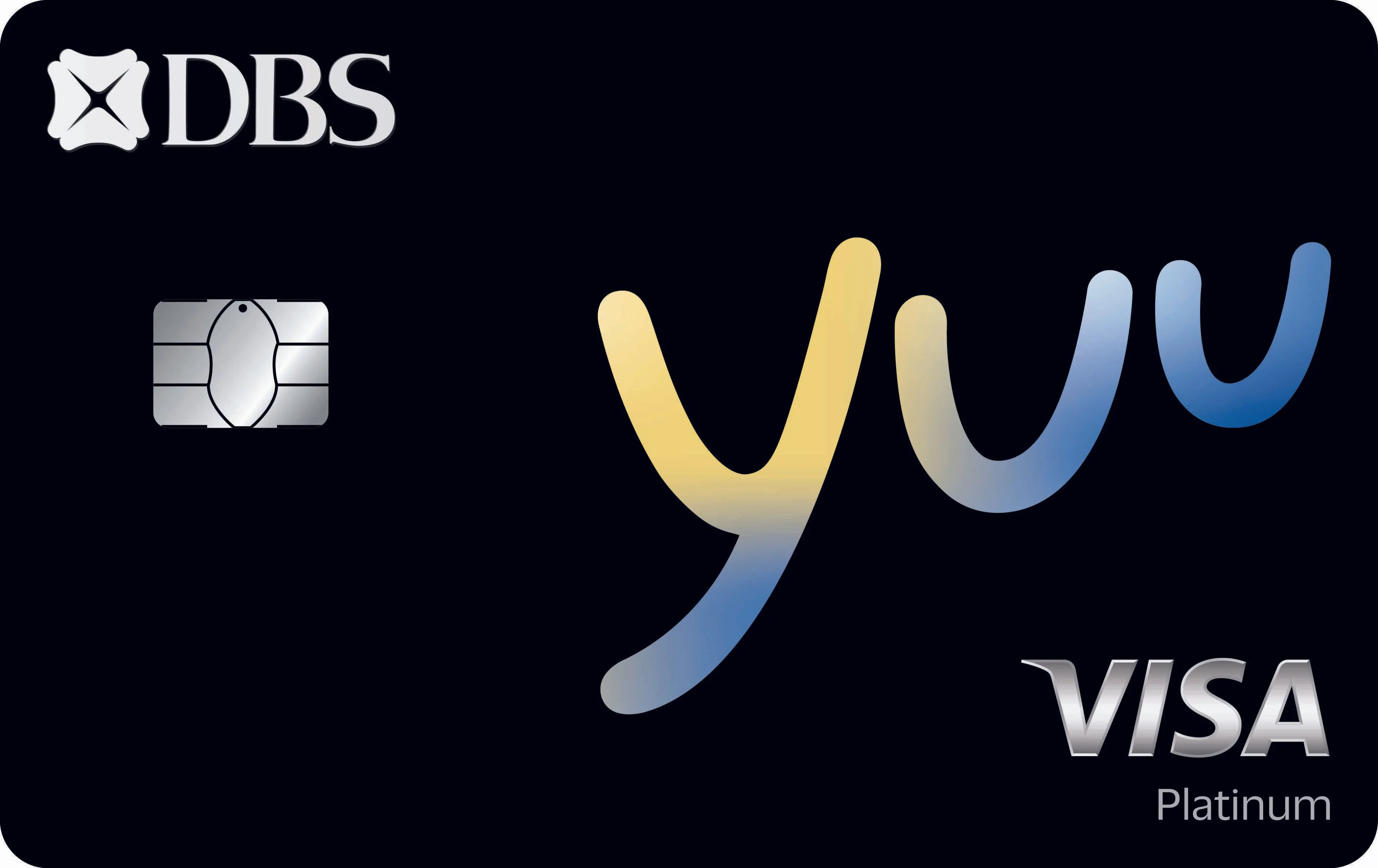 | DBS yuu Visa Card | S$879 | 0.5 - 18 % | S$30,000 | S$196.20 | ||
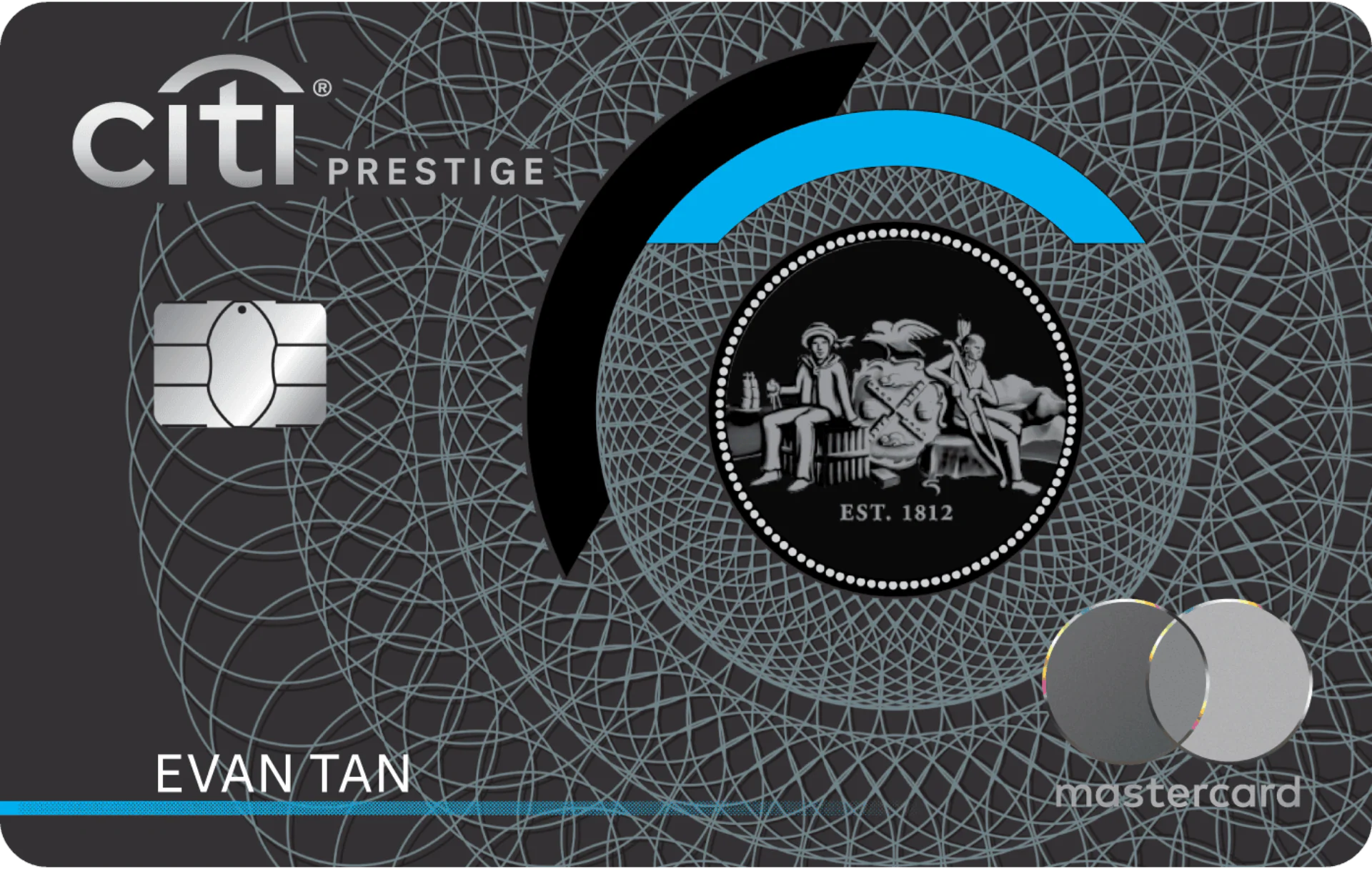 | Citi Prestige Card | - | - | 3.25 - 5 | S$120,000 | S$651.82 |
Cons of paying with credit cards
1. Can create a debt trap
The convenience of plastic is a double-edged sword. Psychologically, studies show that card payments reduce the "pain of paying" compared to physical cash, making it incredibly easy to overspend. If you fail to clear your statement balance in full, you fall into the compounding interest trap.
Credit card interest rates in Singapore are exceptionally high. Major local issuers like DBS, OCBC, and UOB have prevailing interest rates averaging 27.80% to 28.90% per annum. Furthermore, if you fail to meet the minimum payment for consecutive months, a penalty interest rate of up to 30.80% per annum is slapped onto your balance.
The Cost of Compounding Debt:
Imagine you roll over an outstanding balance of S$5,000 at a prevailing interest rate of 27.80% p.a.
You will accumulate approximately S$115.83 in interest charges in just one month.
If you only pay the minimum amount (typically 3% or S$50, whichever is higher), it could take you years to clear the debt, and the total interest paid will far outweigh any cashback or miles you initially earned.
2. Regulatory boundaries: The MAS limits
Carrying a rolling balance does not just cost you interest; it risks crippling your financial freedom due to regulatory frameworks established by the Monetary Authority of Singapore (MAS).
The 6× Income Rule: If your total outstanding, interest-bearing unsecured debt across all Singapore banks exceeds 6 times your monthly income, banks are legally barred from granting you credit limit increases or opening new unsecured loan facilities.
The 12× Income Limit: If your balance exceeds 12 times your monthly income for three consecutive months, your existing cards will be blocked, preventing you from charging any further purchases until the debt is cleared.
3. Potential negative impact on your credit score
While paying bills on time builds credit, running everything through your card can inadvertently harm your score due to your Credit Utilisation Ratio (the percentage of your total available credit limit that you actually use).
Financial bodies like Credit Bureau Singapore look closely at this metric. Even if you clear your balance in full every single month, consistently maxing out your card or utilizing more than 30% of your credit limit flags high credit exposure. To maintain a pristine score, financial experts suggest keeping your total utilization below 30% of your total credit limit.
Verdict: Should you use your credit card for everything?
The ultimate answer depends on your personal financial discipline. If you possess the behavioral control to view your credit card as an extension of your bank account—meaning you never charge more than what you actually have in cash—then the answer is a resounding yes. Using a credit card for all your regular purchases lets you collect free money via cashback or heavily discounted travel via miles.
However, if you struggle with impulse control or tend to look at your credit limit as "free cash" to be paid back later, using your card for everything can lead directly to high-interest traps and long-term financial distress.
Knowing how to use a credit card responsibly means following a simple rule: Always clear your statement balance in full and on time every single month. Never pay just the minimum, monitor your credit utilization ratio to ensure it stays below 30%, and make sure the rewards you chase are never erased by high interest rates.