Attention students: personal loan rates reach historic low 1.00%
Updated: 23 Mar 2026

Written bySingSaver Team
Team

SingSaver Personal Loan Cashback Offer
Enjoy one of the lowest interest rates from 0.90% p.a. (EIR from 1.75% p.a.) and up to S$6,500 in cashback when you apply for a personal loan via SingSaver. Valid till 30 September 2026. T&Cs apply.
The information on this page is for educational and informational purposes only and should not be considered financial or investment advice. While we review and compare financial products to help you find the best options, we do not provide personalised recommendations or investment advisory services. Always do your own research or consult a licensed financial professional before making any financial decisions.
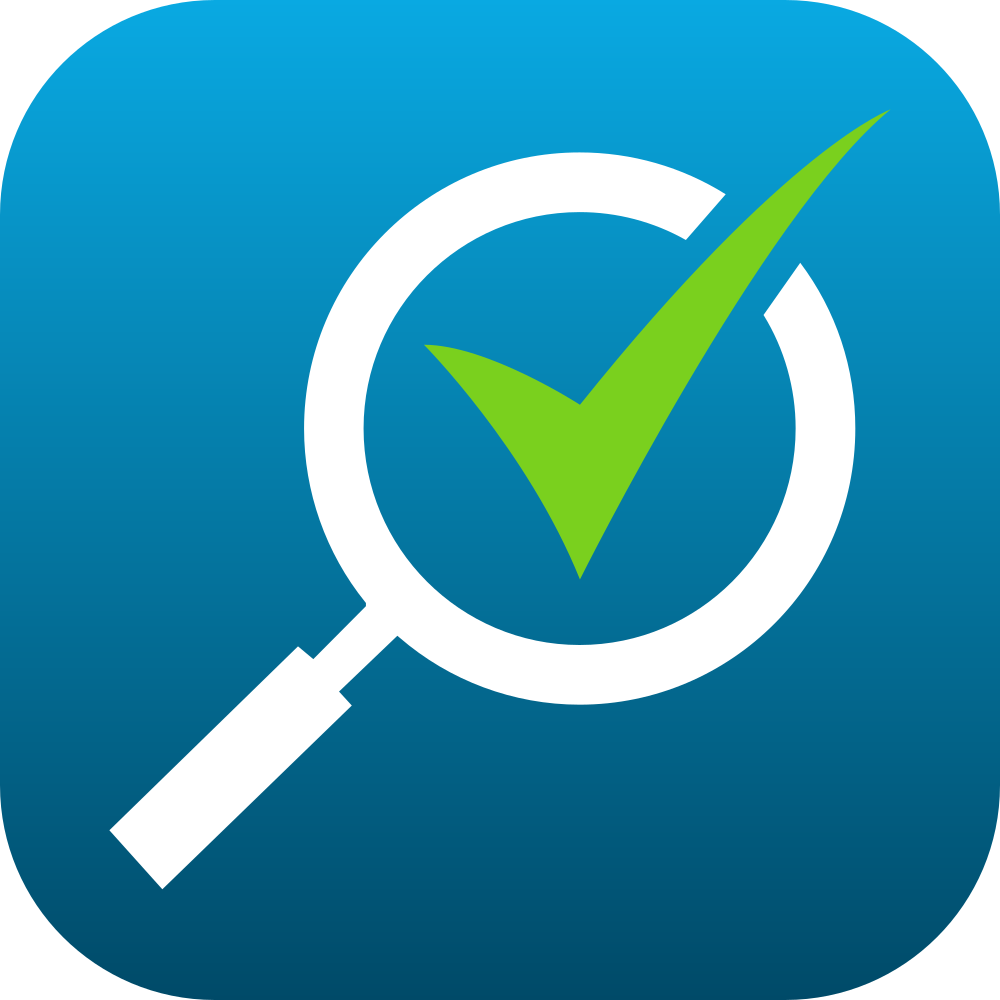
If you’ve been keeping an eye on borrowing costs lately, here’s something that might surprise you: personal loan interest rates in Singapore have dropped to as low as 1.00% p.a. — the lowest rates we’ve seen in years.
With university and polytechnic enrolment season just around the corner, many students and parents are thinking about how to finance tuition fees, hostel costs, and daily living expenses. Traditionally, education loans have been the default go-to. But with personal loan rates now at historic lows, it’s worth asking: could a personal loan actually be a smarter option?
Let’s break it down in simple terms so you can decide what works best for your situation.
Understanding personal loans and education loans
Before comparing the two, let’s clarify what each one actually is.
What is an education loan?
An education loan is a loan specifically designed to finance your studies. Banks in Singapore typically offer tuition fee loans or study loans that may also cover limited living expenses.
Key features include:
-
Funds are usually paid directly to the school
-
Interest rates are often tied to SORA plus a margin or offered at a fixed promotional rate
-
Repayment may be deferred until after graduation
Because the loan is structured for education, its intended use is limited to tuition and approved study-related expenses. Even if the funds are credited to your account, they are not meant for general discretionary spending.
To apply, you’ll typically need to show proof of enrolment in an accredited institution. This may include your admission letter, course details, or student status confirmation. Some banks may also require a guarantor, especially if you do not have a steady income.
What is a personal loan?
A personal loan is a general-purpose loan. You borrow a lump sum from the bank and repay it in fixed monthly instalments over an agreed period.
Key features include:
-
Funds are paid directly to you
-
Can be used for tuition, rent, transport, insurance, or other personal needs
-
Repayment starts almost immediately
Because it’s not restricted to education, it offers more flexibility. But that flexibility comes with responsibilities, especially if you do not yet have a steady income.
Historic low interest rates for personal loans
Current low rates in context
A headline rate of 1.00% p.a. certainly looks attractive. Historically, personal loan rates in Singapore have often been advertised in the 2% to 4% range, sometimes higher. Seeing rates dip close to 1% is uncommon.
However, it’s important to understand that the headline rate is not the same as the effective interest rate, or EIR.
The effective interest rate (EIR) reflects the true annual cost after factoring in monthly repayments and is always higher than the headline rate. For example, a personal loan advertised at 1.00% p.a. may translate to an EIR of around 2% to 5%, depending on the tenure and bank.
Even so, in today’s market, that can still be competitive compared to education loans that charge around 4% to 6%, especially if they are pegged to SORA and may fluctuate.
Why this is significant for borrowers
Even though a personal loan may require more financial discipline, a lower effective interest rate can make a meaningful difference over time.
A 1% difference in EIR might not sound like a lot, but on a $20,000 loan over five years, it can translate into several hundred dollars in savings. That is money that could otherwise go towards your emergency fund, professional certifications, or even your first post-graduation trip.
For students who have the support system or income to manage regular repayments, locking in a lower effective rate today could mean graduating with less financial baggage tomorrow.
SingSaver Personal Loan Cashback Offer
Enjoy one of the lowest interest rates from 0.90% p.a. (EIR from 1.75% p.a.) and up to S$6,500 in cashback when you apply for a personal loan via SingSaver. Valid till 30 September 2026. T&Cs apply.
Personal loans vs education loans
Let’s compare them across the key areas that matter most.
Interest rates
Personal loans
-
Advertised rates can start from 1.00% p.a.
-
EIR typically ranges between 2% and 6%
-
Usually fixed for the entire loan period
Education loans
-
Often around 4% to 6%
-
May be pegged to SORA plus a margin
-
Some government-linked tuition fee loans may be more competitive
When comparing options, always look at the EIR and the total repayment amount, not just the headline rate.
SingSaver Tips
Repayment terms
This is one of the biggest differences.
Personal loans
-
Tenure typically ranges from 1 to 5 years
-
Repayment starts almost immediately
-
Fixed monthly instalments
If you’re studying full-time and not working, someone will need to service the loan during your course. This is often a parent or guardian.
Education loans
-
May allow repayment deferral until after graduation
-
Longer tenure, sometimes up to 20 years
-
Lower monthly instalments due to longer repayment period
For example, borrowing $30,000 over 10 years will result in lower monthly instalments compared to spreading it over 3 years. However, a longer tenure usually means paying more interest overall.
It’s a trade-off between lower monthly stress and higher total cost.
Flexibility in use of funds
Personal loans
-
Can cover tuition, hostel fees, daily expenses, laptops, exchange programmes, and other personal use cases
-
Funds are credited directly into your account
This flexibility is especially helpful if you are studying overseas or renting near campus in Singapore.
Education loans
-
Typically restricted to tuition and approved school-related costs
-
Funds are usually paid directly to the institution
This structure ensures the money is used strictly for education but offers less flexibility for other expenses.
Loan amounts
Personal loans
-
Typically capped at 4 to 6 times your monthly income
Education loans
-
Usually based on tuition fees
-
Can cover up to 90% or even 100% of tuition by combining the MOE Tuition Fee Loan with the MOE Study Loan, subject to eligibility criteria
-
Certain schemes may include limited allowances for living costs
Eligibility criteria
Personal loans
-
Minimum annual income requirement, often $20,000 for Singaporeans and PRs
-
Good credit record
-
Students without income may face approval challenges
Education loans
-
Must be enrolled in an accredited institution
-
May require a guarantor
-
Less emphasis on the student’s own income
If you are not working yet, education loans are often easier to qualify for.
Pros and cons of using personal loans for education
Pros
-
Competitive interest rates in the current environment
-
Flexible use of funds
-
Quick approval and disbursement
-
Fixed repayment schedule for easier budgeting
For instance, if you are taking a professional certification course while working part-time, a personal loan can give you fast access to funds without usage restrictions. In the current environment, you may also benefit from lower interest rates compared to education loan options.
Cons
-
Immediate repayment required
-
Higher monthly instalments due to shorter tenure
-
Approval depends heavily on income and creditworthiness
Because personal loans require repayments to begin almost immediately, borrowers must be confident they can sustain the monthly instalments throughout their course of study. Even if you are working part-time, committing to fixed repayments while managing academic workload can put pressure on your cash flow.
Pros and cons of education loans
Pros
-
Possible repayment deferral during study period
-
Longer repayment tenure
-
Structured specifically for tuition financing, which helps prevent overborrowing
-
Some government schemes may offer favourable terms
This is particularly helpful if you want to focus entirely on your studies without worrying about monthly instalments.
Cons
-
Restricted use of funds
-
Payment goes directly to the institution
-
Rates may fluctuate if pegged to SORA
-
Longer tenure may result in higher total interest
In some situations, the structured nature of education loans may feel limiting compared to personal loans.
Want to finance your studies with confidence?
Discover the best education loan options in Singapore and compare features, rates, and repayment terms.
So which should you choose?
There is no one-size-fits-all answer.
Choose a personal loan if:
-
You or your family can manage immediate repayments
-
You want flexibility for living expenses
-
You qualify for a low interest rate
-
You prefer to clear your debt within a shorter period
Choose an education loan if:
-
You do not have income during your studies
-
You prefer repayment to start after graduation
-
You want smaller monthly instalments
-
You are financing tuition only
Consider this example. Sarah is entering NUS and needs $25,000.
If she takes an education loan at 5% over 10 years, her monthly instalment will be lower and she may not need to start repaying until after graduation. The trade-off is that the longer repayment period typically results in higher total interest paid over the life of the loan.
If she qualifies for a personal loan with a lower EIR and repays it over 5 years, her monthly instalment will be higher but she may pay less interest overall.
If her parents are willing to help with repayments while she studies, the personal loan could be more cost-effective. If not, the education loan’s deferral feature may provide greater peace of mind.
Smart borrowing tips for students in Singapore
-
Borrow only what you truly need.
-
Compare EIR and total repayment, not just the headline rate.
-
Check for early repayment penalties.
-
Consider part-time work during semester breaks to reduce your loan amount.
-
Review promotional periods carefully before applying.
Even earning a few thousand dollars during holidays can significantly reduce the amount you need to borrow, which lowers your total interest cost.
Conclusion
With personal loan rates reaching historic lows of around 1.00% p.a., students in Singapore now have more options than ever. While education loans remain the traditional choice, today’s low-rate environment makes personal loans worth serious consideration.
The right decision depends on your cash flow, repayment ability, and comfort level with monthly obligations. Think beyond the advertised rate and look at flexibility, repayment timing, and total cost.
Before committing, compare multiple offers and calculate the full repayment amount. Even small differences in interest rates can make a noticeable impact on how much you repay in total, so it pays to compare carefully.
Latest reads on personal loans
All articles

Top Strategies for Managing a Personal Loan and Reducing Debt in Singapore
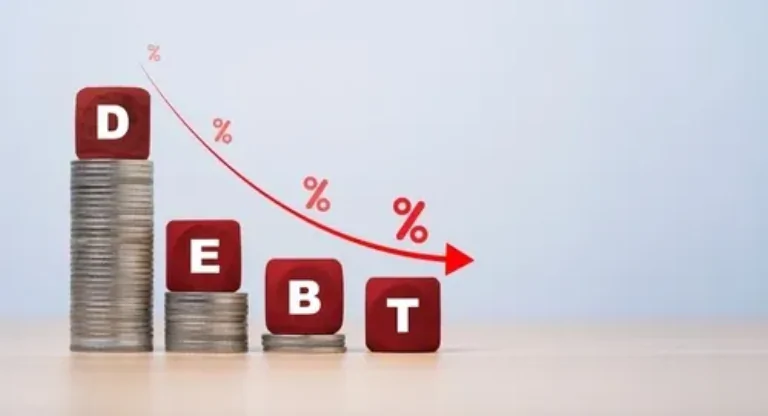
Managing a personal loan well comes down to four things: know your exact interest cost (EIR, not the headline rate), pay off your highest-interest debt first, make extra payments whenever you can without triggering early repayment penalties you didn't budget for, and keep a small emergency fund so a surprise expense doesn't force you into new debt. Here's how to reduce debt with a plan that actually holds up month to month.
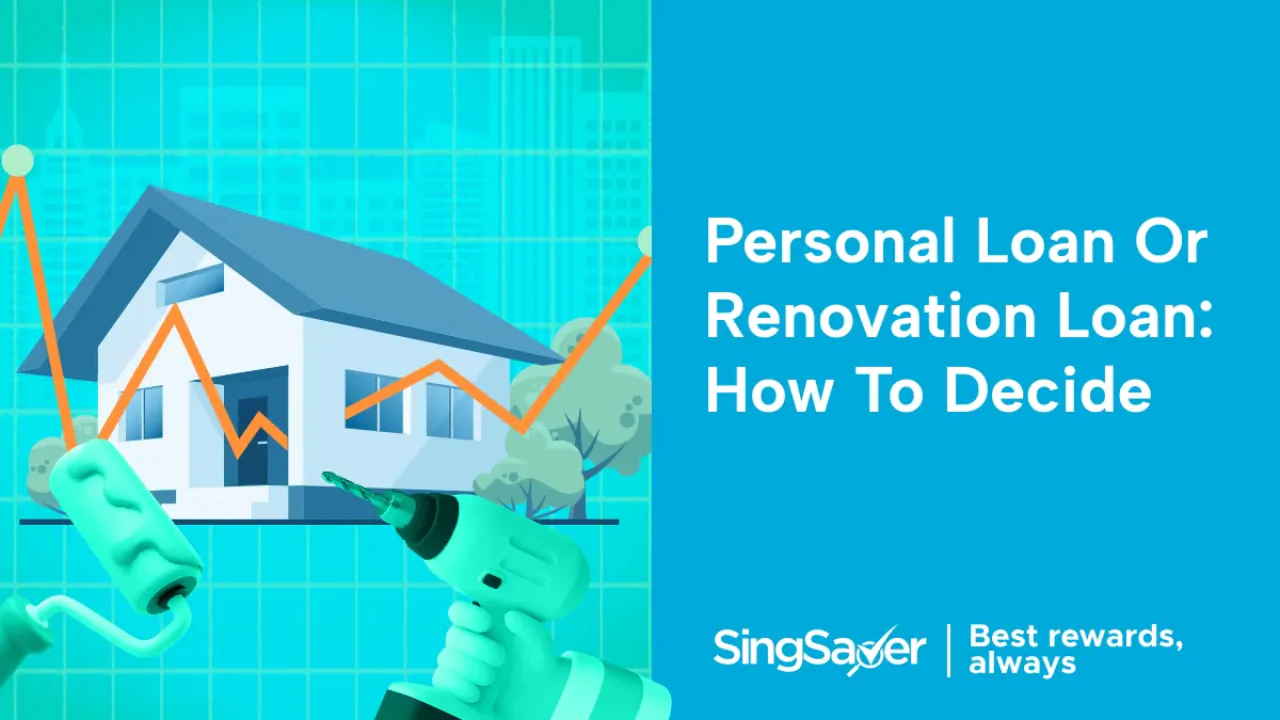
Renovating Your Home: Should You Take A Renovation Loan Or Personal Loan?
For most home renovations, take a renovation loan first — it has a lower effective interest rate — and use a personal loan only to top up beyond the S$30,000 renovation loan cap or to cover furniture and appliances, which renovation loans can't fund. Here's the full personal loan vs renovation loan comparison, including current income requirements and interest rates.

Best Loans to Help Improve Bad Credit Score in Singapore
Taking a loan isn't necessarily detrimental for your credit score. If you repay your loans on time, this could have a positive impact on your credit score instead. Here are some loans for you to consider.

How To Buy A House In Singapore: A Complete Guide (2026)
This guide to buying property in Singapore covers everything from eligibility and cost to financing — including a dedicated guide for how to buy a house in Singapore as a foreigner. This includes the current property cooling measures, most recently revised on 27 April 2023, which remain in effect in 2026

About the author
SingSaver Team
At SingSaver, we make personal finance accessible with easy to understand personal finance reads, tools and money hacks that simplify all of life’s financial decisions for you.