Best Unsecured Personal Loans in Singapore [March 2025]
Updated: 17 Apr 2026

Written bySingSaver Team
Team

The information on this page is for educational and informational purposes only and should not be considered financial or investment advice. While we review and compare financial products to help you find the best options, we do not provide personalised recommendations or investment advisory services. Always do your own research or consult a licensed financial professional before making any financial decisions.

Our pick for: Fast funding

1. Download the Trust App and navigate to the Instant Loan section
2. Fill out an application and submit all required documents
3. Wait for approval of personal loan
- LOWEST Interest Rates in the Market from 1.56% p.a. (EIR 3.00%* p.a.) with no processing or hidden fees (until further notice)
- Flexible repayments. Choose your desired personal loan amount and tenure. Repay with fixed instalments over 3 to 60 months.
- Fast approval in 60 seconds.
- *EIR calculated based on loan amount of S$90,000 and tenure of 60 months from 1 Jan 2024. Maximum EIR may be up to 22.34% p.a. based on your personal credit profile.
- Deposit Insurance Scheme: SGD deposits of non-bank depositors are insured by the SDIC, for up to S$100,000 in aggregate per depositor per Scheme member by law.
- Min. age requirement: 21 years old
- Minimum annual income of S$30,000 for Singaporean citizen or PR or S$60,000 for foreigners with valid work pass
- Effective Interest Rate (EIR) is calculated based on a loan amount of S$20,000 and loan tenure of 60 months from 1 Jan 2026. Maximum EIR may be up to 25.03% p.a. based on your personal credit profile.
- We charge a 0.88% first year annual fee and this is illustrated in the EIR above. Subsequent annual fee may be applicable, please see our Instant Loan Key Facts Sheet for more details.
1. NRIC (Front & Back)
2. Salaried employees: Latest month’s computerised payslip or latest 6 months’ CPF contribution history statement
3. Self-employed individuals: Last 2 years’ Income Tax Notice of Assessment
4. Commission-based earners: Latest 3 months payslip or latest 6 months' CPF contribution history statement
The information displayed above is for reference only. The actual rates offered to you will be based on your credit score and is subject to the provider's approval.
Trust Bank Instant Loan
-
Est. EIR: From 2.43% p.a.
-
Loan amount: Dependent on the available balance on your Trust credit card (usually up to 4x monthly income).
-
Min. annual income: S$30,000
-
Overview: Trust Bank offers an exceptionally fast loan approval process, with funds deposited into your Trust savings account within 60 seconds. This makes it an ideal choice for those needing immediate access to funds. The user-friendly Trust App provides full control over loan management, allowing for easy tracking of instalments and outstanding balances.
-
Qualifications:
-
Singaporean or Permanent Resident
-
Minimum 21 to 65 years of age
-
Must hold an active Trust Credit Card
-
-
Available term lengths:
-
12 to 60 months
-
-
Fees and charges:
-
Processing fee: S$0
-
Annual fee: 0.88% of loan amount (for the first year)
-
Early repayment fee: 3% of the outstanding principal
-
Late repayment fee: S$100
-
Pros & cons
Pros
Ultra-fast disbursement
No processing fees
Digital-native interface
Cons
Requires a Trust Credit Card
Higher early repayment penalties than digital competitors.
Disclaimer:
Rates and terms are subject to individual credit assessment and bank approval.
Our pick for: Large loan amounts

1. Click “Apply Now” on UOB's website
2. Fill out the application and upload all necessary documents
3. Wait for an offer from UOB
Note: Get instant approval and cash disbursed into your UOB accounts for applications submitted between 8am and 9pm
- Enjoy interest rates as low as 1.00% p.a (EIR from 1.93% p.a.)
- No processing fees
- Get instant approval and cash disbursed into your UOB accounts for applications submitted between 8am and 9pm
- Min. loan amount of S$1,000
- Min. income for Singaporeans/PRs: S$30,000 p.a.
- Read our full review of the UOB Personal Loan
- Foreigners are not eligible for UOB Personal Loan
- Cancellation fee: S$150 or 3% of outstanding approved loan amount, whichever is higher
- NRIC (Front & Back)
- For salaried employees: Last 3 months’ computerised payslip; or Latest Income Tax Notice of Assessment with latest 1 month’s computerised payslip; or latest 6 months’ CPF statement (for Singaporeans or PRs)
- For self-employed persons: Last 2 years’ Income Tax Notice of Assessment
The information displayed above is for reference only. The actual rates offered to you will be based on your credit score and is subject to the provider’s approval.
UOB Personal Loan
-
Est. EIR: From 1.93% p.a. (Market floor for 2026)
-
Loan amount: Up to 4x monthly income
-
Min. annual income: S$30,000
-
Overview: UOB is currently offering the most aggressive interest rates in Singapore for April 2026. Their "instant" approval is restricted to a specific window (8 AM to 9 PM), but their cash rebate promotions remain the most generous among the "Big Three" local banks.
-
Qualifications:
-
Singaporean or Permanent Resident
-
Minimum 21 to 65 years of age
-
-
Available term lengths:
-
12 to 60 months
-
-
Fees and charges:
-
Processing fee: 1% (often rebated via cash promotions)
-
Early repayment fee: S$150 or 3% of the outstanding amount
-
Late repayment fee: S$100
-
Annual fees: S$0
-
Pros & cons
Pros
Lowest EIR currently available
Significant cash-back incentives.
Cons
Higher income requirement (S$30k)
Disclaimer:
Rates and terms are subject to individual credit assessment and bank approval.
Our pick for: Low income requirement

1. Download an application form on POSB's website
2. Fill it out and apply online or in-person at one of the bank's branches
3. Wait for an offer from POSB
- Enjoy personalised rates from as low as 1.48% p.a. (EIR 2.84% p.a.) with full processing fee rebate
- Borrow up to 4x your monthly salary if you earn less than S$120,000 annually, or up to 10x if you earn more than S$120,000 annually
- Min. loan amount of S$500
- Tenure: 6 months to 5 years
- Min. income for Singaporeans/PRs: S$20,000 p.a.
- Apply via SingSaver and get your loan approved and disbursed instantly into your DBS/POSB account
- Processing fee: From 1% of the approved loan amount
- Early repayment fee: S$250
- Late payment fee: S$100 for personal loan on DBS/POSB credit card, S$120 for personal loan on DBS/POSB Cashline
1. NRIC (Front & Back)
2. Salaried employees: Latest 9 months’ CPF contribution history statement OR latest 1 year Income Tax Notice of Assessment or latest computerised payslip or salary crediting into DBS/POSB account
3. Self-employed individuals: Latest 1 year Income Tax Notice of Assessment
The information displayed above is for reference only. The actual rates offered to you will be based on your credit score and is subject to the provider’s approval.
POSB Personal loan
-
Est. EIR: From 3.22% p.a.
-
Loan amount: Minimum S$500; Up to 4x monthly income (10x for income >S$120,000)
-
Min. annual income: S$20,000
-
Overview: Since POSB is part of the DBS Group, the POSB Personal Loan effectively mirrors the DBS product. It is designed for POSB account holders to access credit instantly via the digibank app. In 2026, it remains the most accessible loan for lower-income earners due to its S$20,000 floor.
-
Qualifications:
-
Singaporean or Permanent Resident
-
Minimum 21 to 70 years of age
-
Must have a POSB/DBS savings account for disbursement
-
-
Available term lengths:
-
6 to 60 months
-
-
Fees and charges:
-
Processing fee: 1% (frequently waived in 2026 promotions)
-
Early repayment fee: S$250
-
Late repayment fee: S$100
-
Annual fees: S$0
-
Pros & cons
Pros
Lowest entry income (S$20k)
Tiny minimum loan amount (S$500)
Ubiquitous ATM/App access.
Cons
Processing fee is common unless a promo code is used
Requires existing DBS/POSB credit card/Cashline and deposit accounts
Disclaimer:
Rates and terms are subject to individual credit assessment and bank approval.
Our pick for: Debt consolidation

1. Go to Standard Chartered's website and click "Apply Now” button under Personal Loans
2. Fill out an application and submit all required documents
3. Wait for approval of personal loan from Standard Chartered
- Enjoy low interest rates from 0.90% p.a. (EIR ~1.75% p.a.) for longer tenures. Get instant loan approval and cash disbursement in as quick as 15 minutes to your designated bank account.
- Enjoy a 5-year annual fee waiver on your Standard Chartered Platinum Visa credit card
- Min. loan amount of S$1,000
- Max. loan amount of up to S$250,000
- Allow for change of loan tenure.
- Allow for flexible repayment without late fees.
- Waiver of S$50 annual fee (from 2nd year till expiry of loan) if all instalments for the year are paid on or before the due dateMax. loan amount of up to 4X monthly salary, capped at S$250,000
- Read our full review of the Standard Chartered CashOne Personal Loan
- EIR calculated is not yet inclusive of the first-year annual fee of S$199. Interest rate in your application will be based on your credit profile as determined by Standard Chartered.
- First year annual fee: S$199
- Early repayment fee: S$150 or 3% of the outstanding principal, whichever is higher
- Change of tenure: S$50 per change
- Late payment fee: S$100
- Copy of Passport (with at least 6 months' validity), including the page with address displayed (where applicable)
- Copy of your Employment Pass
- Any ONE of the following documents:
- Latest utility bill, rates or tax bill
- Latest bank / credit card statement (e-Statements are accepted)
- Rental agreement showing your address
- Latest mobile phone statement or pay-TV statement
- Letter from employer stating current address
- Government-issued document stating current address (e.g. IRAS, CPF, ICA)
No documents required for Singaporeans / PRs applying via SingPass.
For foreigners applying via SingPass, please prepare the following:
The information displayed above is for reference only. The actual rates offered to you will be based on your credit score and is subject to the provider’s approval.
Standard Chartered CashOne Personal Loan
-
Est. EIR: From 1.94% p.a. (inclusive of $199 first-year fee)
-
Loan amount: Up to 4x monthly income, capped at S$250,000.
-
Min. annual income: S$30,000 (Citizens/PRs) | S$90,000 (Foreigners)
-
Overview: Standard Chartered CashOne is famous for its "instant" nature—promising approval and disbursement to any bank account in Singapore within minutes. In 2026, it stands out for its flexibility, being one of the only traditional banks to offer a "no late fee" policy (subject to minimum monthly repayments).
-
Qualifications:
-
Singaporean, PR, or Foreigner (with valid Employment Pass)
-
Minimum 21 to 65 years of age
-
-
Available term lengths:
-
12 to 60 months
-
-
Fees and charges:
-
Processing fee: S$0
-
Annual fee: S$199 (First year), S$50 (Subsequent years, waived if payments are on time)
-
Early repayment fee: S$150 or 3% of the outstanding principal
-
Late repayment fee: S$0 (Unique 2026 feature, though interest still accrues)
-
Pros & cons
Pros
Instant disbursement to non-SCB accounts
No late fees
Highly competitive EIR
Cons
First-year annual fee of S$199 is high.
Very steep income requirement for foreigners.
Disclaimer:
Rates and terms are subject to individual credit assessment and bank approval.
Our pick for: Joint loan

DBS Renovation Loan
1. Download and fill up the editable PDF form for Single Applicants.
2. Check that all required documents in the checklist are in order.
3. Submit your application online seamlessly and fully assisted by the DBS digibot.
- Min. loan amount: $10,000
- Max. loan amount: $30,000 or 6x of monthly income (whichever is lower)
- Processing Fee: 1% of Approved Loan Amount + 1% Insurance
- Cancellation Fee: 1% on the undrawn loan amount cancelled (maximum $200)
- Full Repayment Fee: 1% on the outstanding loan amount
- Partial Prepayment Fee is not allowed
1. Completed Application Form
2. Scanned / Digital invoice or quotation signed by contractor and applicant(s)
3. Income Document(s)
4. Copy of front & back of NRIC (only required for mail-in or branch applications)
5. Proof of Ownership (for non DBS/POSB home loan customers)
6. HDB or MCST Renovation Permit (where applicable)
The information displayed above is for reference only. The actual rates offered to you will be based on your credit score and is subject to the provider’s approval.
DBS Renovation Loan
-
Est. EIR: 4.49% p.a. (for Home Loan customers) | 5.96% – 6.16% p.a. (Standard)
-
Loan amount: Minimum S$5,000; Maximum S$30,000 or 6x monthly income (whichever is lower).
-
Min. annual income: S$24,000 (Main applicant) | S$12,000 (Joint applicant)
-
Overview: Unlike a personal loan where cash is given to you, the DBS Renovation Loan is disbursed directly to your contractor via cashier’s orders. In 2026, DBS has introduced a "Green" incentive called the Eco-aware Renovation Loan, offering lower rates if you fulfill a checklist of sustainable home features (e.g., LED lighting, energy-efficient appliances, or low-VOC paints).
-
Qualifications:
-
Singaporean or Permanent Resident.
-
Property owner (or a family member of the owner with consent).
-
Minimum 21 to 65 years of age.
-
Must provide a signed renovation quotation/invoice from a registered contractor.
-
-
Available term lengths:
-
1 to 5 years.
-
-
Fees and charges:
-
Handling fee: 2% of the approved loan amount.
-
Insurance premium: 1% of the approved loan amount (one-time fee).
-
Cancellation fee: 1% of the approved loan amount.
-
Late repayment fee: S$100.
-
Pros & cons
Pros
Significantly lower interest rates than personal loans
Preferential rates for existing DBS Home Loan customers (3.38% p.a. flat)
Supports eco-friendly home upgrades.
Cons
Funds cannot be used for furniture or standalone appliances (fridge, TV, etc.)
Maximum cap is strictly S$30,000
Requires extensive documentation (proof of ownership and contractor quotes).
Disclaimer:
Rates and terms are subject to individual credit assessment and bank approval.
Our pick for: Flexible repayment plans

GXS FlexiLoan
1. Download the GXS app.
2. Click "Sign Up" for GXS FlexiLoan
3. Get your funds within minutes upon approval.
- No Fees Interest Rates from 1.88% p.a. (EIR from 3.47% p.a.).
- Apply in-app and get your funds in minutes
- A standby revolving credit line which you can draw multiple loans from, from as low as S$200
- Customisable loan tenure from 2 to 60 months depending on loan amount selected
- Flexibility to select your preferred repayment date
- No early repayment fee, plus save on interest when you repay early
- Interest is computed on a daily non-compounding basis
- In-app reminders to repay on time and avoid late interest charges
- Effective Interest Rate (EIR) is calculated based on an average loan amount of S$10,000 with a 36-month repayment period, from 1 Jan 2023 to 1 Jan 2026. T&Cs apply.
- Late interest is chargeable upon late repayment
The information displayed above is for reference only. The actual rates offered to you will be based on your credit score and is subject to the provider's approval.
GXS FlexiLoan
-
Est. EIR: From 3.00% p.a. * Loan amount: Minimum S$200, Maximum capped at total available credit limit (up to S$50,000).
-
Min. annual income: S$20,000
-
Overview: The GXS FlexiLoan provides a unique, flexible borrowing experience with a standby revolving credit line, allowing users to draw multiple loans as needed. With no fees, competitive interest rates, and in-app application and disbursement, it's designed for convenience and accessibility. Borrowers can customise their loan tenure and repayment date, and save on interest with early repayment with no fees.
-
Qualifications:
-
Singaporean or Permanent Resident
-
Minimum 21 to 65 years of age
-
Not holding an existing GXS FlexiCard or Biz Account
-
-
Available term lengths:
-
2 to 60 months
-
-
Fees and charges:
-
Processing fee: S$0
-
Early repayment fee: S$0
-
Late repayment fee: S$0 (Note: Late interest is charged daily on the overdue amount)
-
Annual fees: S$0
-
Pros & cons
Pros
Most flexible repayment terms in the market
No hidden fees
Low income floor
Cons
Lower maximum loan cap compared to traditional banks
Not available for foreigners
Disclaimer:
Rates and terms are subject to individual credit assessment and bank approval.
Compare the best unsecured loan options in Singapore
Trust Bank Instant Loan: Best for fast funding
Min. Annual Income: S$30,000
Current Est. EIR: From 2.43% p.a. (Valid till 15 Apr 2026)
Why we like Trust: Trust offers one of the most efficient digital experiences in Singapore. If you already have a Trust credit card, you can get approval and disbursement in as little as 60 seconds. It is ideal for those who value speed and a seamless mobile-app interface without any processing fees.
UOB Personal Loan: Best for large loan amounts
Min. Annual Income: S$30,000
Current Est. EIR: From 1.93% p.a.
Why we like UOB: In April 2026, UOB remains the market leader for aggressive interest rates and massive sign-up rewards. For large loans (S$50,000 and above), borrowers can currently secure up to **S$1,910 in cash rebates** or high-end tech gifts, effectively lowering the cost of borrowing for major expenses.
POSB Personal Loan: Best for low income requirement
Min. Annual Income: S$20,000
Current Est. EIR: From 3.22% p.a.
Why we like POSB: POSB continues to be the most inclusive choice for Singaporeans earning between S$20,000 and S$30,000. It offers "Instant Cash" directly into your POSB/DBS savings account. While it carries a 1% processing fee, its personalized rates and accessible income floor make it a reliable fallback for the "everyman."
Standard Chartered CashOne Personal Loan: Best for debt consolidation
Min. Annual Income: S$30,000 (Local) | S$90,000 (Foreigner)
Current Est. EIR: From 1.94% p.a. (Excluding first-year fee)
Why we like Standard Chartered: CashOne is uniquely positioned in 2026 with its "No Late Fees" policy. While interest still accrues, the lack of a standard S$100 late penalty provides a safety net for those consolidating multiple debts. Note the **S$199 first-year annual fee**, which is deducted from your loan amount.
» MORE: Read our Standard Chartered CashOne Personal Loan review
DBS Renovation Loan: Best for joint loan
Min. Annual Income: S$24,000 (Main) | **S$12,000 (Joint)**
Current Est. EIR: From 4.49% p.a. (For existing DBS Home Loan customers)
Why we like DBS: This is the go-to for families. By allowing a joint applicant (spouse, parent, or sibling) with a lower income of just S$12,000, DBS makes it easier for households to qualify for the maximum S$30,000 renovation cap. Their "Eco-aware" rates also reward green home upgrades with lower interest.
GXS FlexiLoan: Best for flexible repayment plans
Min. Annual Income: S$20,000
Current Est. EIR: From 3.00% p.a.
Why we like GXS: GXS has disrupted the market by removing traditional barriers. There are zero fees—no processing fees, no annual fees, and critically, no early repayment fees. It works as a revolving line of credit, meaning you can pay back your loan today to save on interest and draw it down again tomorrow if needed.
» MORE: Read our GXS FlexiLoan review
What is an Unsecured Loan?
An unsecured loan is a type of credit that does not require collateral. Instead of using an asset to "secure" the debt, lenders approve your application based on your creditworthiness, income, and debt-to-income ratio.
Because the lender takes on more risk, interest rates are typically higher than secured loans (like mortgages). However, in 2026, the entry of digital-first banks has driven Effective Interest Rates (EIR) to highly competitive levels.
How Does an Unsecured Loan Work?
When you apply, the bank evaluates your Credit Bureau Singapore (CBS) report and your Notice of Assessment (NOA). If approved, you receive a lump sum or a revolving line of credit. You then repay the principal plus interest over a fixed tenure, usually ranging from 1 to 7 years.
Types of Unsecured Loans in Singapore (2026)
- Personal Loans: Fixed monthly instalments with a set end date.
-
Personal Line of Credit: A "standby" cash account where you only pay interest on the amount you withdraw.
-
Debt Consolidation Plan (DCP): A specialized unsecured loan for those whose debt exceeds 12 times their monthly income.
-
Digital Bank Micro-loans: Smaller, flexible loans (often starting from S$500) provided by lenders like GXS, Trust, or MariBank.
Unsecured Loan vs Secured Loan: The Key Differences
| Feature | Unsecured Loan | Secured Loan |
| Collateral | None required | Required (e.g., Property, Fixed Deposit) |
| Interest Rates (EIR) | Higher (approx. 1.93% – 6.5% p.a.) | Lower (approx. 1.0% – 3.5% p.a.) |
| Loan Amount | Up to 4x – 10x monthly income | Up to 75% of asset value |
| Risk to Borrower | Credit score damage if you default | Loss of asset (foreclosure) if you default |
Interest Rates and Fees (April 2026 Benchmarks)
Interest rates in 2026 are primarily influenced by the 3-Month Compounded SORA.
-
Advertised (Flat) Rates: Currently start from 1.00% to 1.83% p.a.
-
Effective Interest Rate (EIR): This reflects the true cost of the loan. Expect 1.93% to 3.50% p.a. for prime customers, while others may see rates up to 6.5% p.a.
-
Processing Fees: Many banks now offer $0 processing fees as a promotional standard. If charged, it is typically around 1% of the loan amount.
-
Late Payment Fees: Standardized around S$100 per late instalment
MAS Regulations: How Much Can You Borrow?
The Monetary Authority of Singapore (MAS) enforces strict limits to prevent over-leveraging
- The 12x Rule: Your total interest-bearing unsecured debt across all Singaporean banks cannot exceed 12 times your monthly income.
-
The 6x Rule: If your total debt exceeds 6 times your monthly income, banks are restricted from granting further credit limit increases.
» Read more: Find out how you can pre-qualify for a personal loan
Eligibility Criteria (2026 Standards)
To apply for an unsecured loan in Singapore today, you generally need to meet these updated requirements:
| Criteria | Singaporeans / PRs | Foreigners (Work Pass Holders) |
| Min. Annual Income | S$20,000 – S$30,000 | S$42,000 – S$65,000 |
| Age | 21 to 65 years old | 21 to 65 years old |
| Employment | Min. 3 months with current employer | Min. 6–12 months validity on EP/SP |
| Documents | Singpass (MyInfo) for instant approval | Passport, Work Pass, and Proof of Address |
Note: For the self-employed, banks now typically require the last 2 years of Income Tax NOA.
» Read more: Everything you need to know about personal loans
Saver-savvy tip
You can use a personal loan calculator to estimate your monthly payments based on the loan amount, repayment term, and interest rates. This can help you compare different loan offers and choose the one that best fits your budget.
How to get your unsecured loan approved, even with a bad credit score
a "bad" credit score (typically CC or below on the CBS scale) isn't an automatic rejection, but it does require a more strategic approach due to tighter risk-based pricing by banks.
-
Leverage Digital Banks: Newer digital lenders often use "alternative credit scoring." Instead of just looking at your CBS grade, they may analyze your ecosystem data (e.g., utility bill payments or transaction history) to determine creditworthiness.
-
Show Financial Stability: If your credit score is low due to past mistakes, provide your latest 12-month CPF contribution history or Notice of Assessment (NOA) to prove your current income is stable and sufficient to service the debt.
-
Target "Credit Line" Products first: If a large lump-sum personal loan is rejected, try applying for a smaller personal line of credit. These often have lower initial barriers and allow you to build back your credit score through consistent, on-time repayments.
-
Clear Existing "High-DTI" Debt: Before applying, try to pay down small credit card balances. Lenders in 2026 are highly sensitive to your Debt-to-Income (DTI) ratio; showing more "breathing room" in your monthly budget can outweigh a mediocre credit score.
Note on Guarantors/Joint Applicants: In the current Singapore regulatory environment, true "joint" personal loans are rare. Most banks require a sole applicant. If your credit is poor, focus on improving your score or approaching licensed moneylenders that are integrated with the Moneylenders Credit Bureau (MLCB).
» Read more: Best loans in Singapore for bad credit
Common uses for unsecured personal loans in Singapore
1. Debt consolidation
With the current cost of living, many Singaporeans use personal loans to consolidate high-interest credit card debt (which typically carries an EIR of 27.9% p.a.) into a single loan with an EIR of 3.5% to 6.5% p.a. This significantly reduces monthly interest outgoings.
» Read more: Best debt consolidation loans in Singapore
2. Home improvement
While specific "Renovation Loans" exist, many homeowners prefer unsecured personal loans because they offer more flexibility—allowing you to fund furniture and appliances, which traditional renovation loans (capped at S$30,000) often exclude.
» Read more: Best renovation loans in Singapore
3. Other ways to utilise your unsecured personal loans
Unsecured personal loans can be used for a variety of other purposes, including:
- Medical & Elective Procedures: Coverage for treatments or private procedures not fully subsidized by MediShield Life or Integrated Shield Plans.
- Education & Upskilling: Funding for mid-career professional courses or specialized certifications not covered by SkillsFuture.
- Major Life Milestones: Financing for weddings or family expansions, providing a liquid cash buffer during high-expense periods.
- Unexpected Emergencies: Serving as a financial safety net for urgent car repairs or temporary income gaps.
Alternatives to unsecured personal loans in Singapore
Depending on your specific financial profile in 2026, these alternatives might be more cost-effective:
-
0% Interest Credit Card Installment Plans: Many banks and "Buy Now, Pay Later" (BNPL) providers offer 0% interest for 6 to 12 months. This is cheaper than a loan if you can repay the full amount within the short window.
-
Home Equity Loan (Cash Out): If you own a private property, you can borrow against its value. In 2026, these remain the cheapest way to access large sums of cash, though they are not available for HDB flats.
-
Secured Fixed Deposit Loans: If you have cash in a fixed deposit, you can take a loan against it. You’ll pay a very low interest rate (usually 1% above the FD rate), and your application is guaranteed approval regardless of credit score.
-
Credit Card Balance Transfers: Ideal for short-term debt (3–12 months). You transfer your balance to a 0% interest account for a small upfront processing fee (usually 1.5% to 4.5%).
-
SME Micro-Loans: For self-employed individuals or small business owners, government-assisted schemes often provide better rates than personal unsecured loans for business-related expenses.
Frequently asked questions about unsecured loans
Unsecured personal loans are loans that don't require you to provide any collateral, such as your home or car. Instead, approval is based on your creditworthiness, which lenders assess by looking at your credit score, income, and other financial factors.
Unlike secured loans, where you risk losing your collateral if you can't repay the loan, unsecured personal loans don't put your assets at risk. However, they typically come with higher interest rates than secured loans, as they pose a greater risk to the lender.
Eligibility criteria for unsecured personal loans in Singapore vary depending on the lender. However, common factors include your credit score, income, employment history, and debt-to-asset ratio. Lenders typically prefer borrowers with good credit scores, stable income, and a low debt-to-asset ratio. Some lenders may also have specific requirements regarding age, nationality, or employment status.
When you apply for an unsecured personal loan in Singapore, the lender will conduct a credit check, which may temporarily lower your credit score. However, if you manage your loan responsibly and make on-time payments, it can help improve your credit score over time. A positive repayment history demonstrates your creditworthiness to future lenders.
Unsecured loans are generally safe to use in Singapore when you borrow from reputable licensed moneylenders and financial institutions. These lenders are regulated by the Monetary Authority of Singapore (MAS) and must adhere to strict guidelines to protect borrowers. However, it's crucial to research and compare lenders before applying for a loan to ensure they are legitimate and offer transparent terms and conditions.
About the author

SingSaver Team
At SingSaver, we make personal finance accessible with easy to understand personal finance reads, tools and money hacks that simplify all of life’s financial decisions for you.
Related articles

Top Strategies for Managing a Personal Loan and Reducing Debt in Singapore
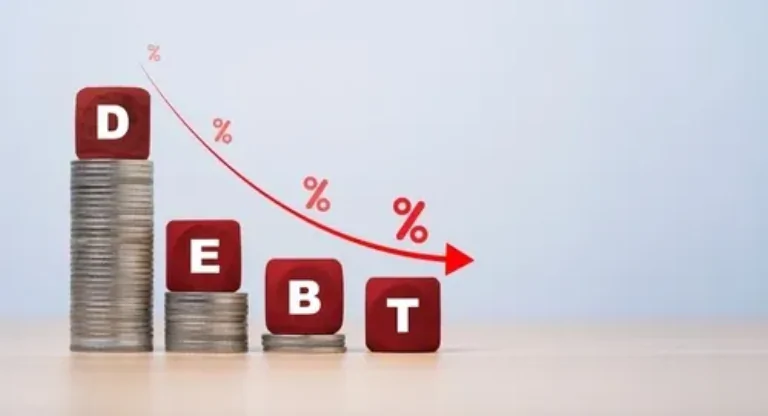
Managing a personal loan well comes down to four things: know your exact interest cost (EIR, not the headline rate), pay off your highest-interest debt first, make extra payments whenever you can without triggering early repayment penalties you didn't budget for, and keep a small emergency fund so a surprise expense doesn't force you into new debt. Here's how to reduce debt with a plan that actually holds up month to month.
Renovating Your Home: Should You Take A Renovation Loan Or Personal Loan?
For most home renovations, take a renovation loan first — it has a lower effective interest rate — and use a personal loan only to top up beyond the S$30,000 renovation loan cap or to cover furniture and appliances, which renovation loans can't fund. Here's the full personal loan vs renovation loan comparison, including current income requirements and interest rates.