American Express changes The Platinum Card from charge card to credit card - why does it matter?
Updated: 27 Oct 2026

Written byAaron Wong
The Milelion
Disclaimer: The information on this page is for general educational and informational purposes only and should not be considered financial or investment advice.
Most people probably know the differences between a credit card and a debit card. But far fewer would be able to distinguish between a credit card and a charge card. That’s understandable, because charge cards are relatively rare in Singapore.
But this difference has recently been cast into the spotlight by American Express’ decision to convert its flagship The Platinum Card from a charge card to a credit card.
On the surface, this is a minor administrative change. The card still looks the same, earns the same number of points, and comes with the same lounge access and hotel perks. But the shift from charge card to credit card affects how you pay your bill, how much you can spend, and even how banks assess you for a home loan.
In this post, we’ll take a closer look at what’s changing, who it affects, and whether existing customers should make the switch.
The Platinum Card is now a credit card
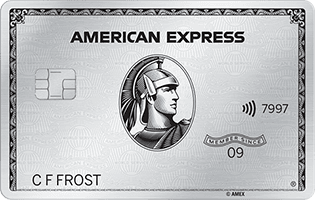
American Express has announced that customers who apply for The Platinum Card from 19 October 2026 onwards will have their cards issued as credit cards, instead of charge cards.
If you’re an existing cardholder, don’t worry. There is no change to your Platinum Card, which will remain a charge card even if you lose or damage it. Customers have the option of converting their Platinum Card into a credit card if they wish, but they’re not obliged to.
Basically, The Platinum Card will now exist in two separate “flavours”: one credit card, and one charge card.
As a credit card, The Platinum Card will offer an interest-free period of 22 days from the statement date, the same as the AMEX Platinum Credit Card and AMEX Platinum Reserve. All fees and benefits remain the same — except for one.
The first supplementary cardholder currently receives a Priority Pass membership with eight visits per year (American Express positions the benefit as four complimentary visits with one guest each time, but in practice it’s really eight visits that you can share with one or more guests as you please).
If you have the charge card version, this benefit is tracked by calendar year. If you have the credit card version, this benefit is tracked by membership year.
What’s the difference between a credit card and charge card?
Revolving credit line vs full payment
A credit card gives you a revolving credit line. Every month, you have the option of paying the full statement balance, a minimum payment, or anything in between. Whatever is unpaid rolls over to the next month and accrues interest.
A charge card requires you to pay the statement balance in full every month. There is no option to carry it over. Should you not pay in full, you aren’t charged interest, but rather late payment fees. Repeated failures to pay can result in your card being suspended or cancelled.
Fixed credit limit vs no preset spending limit
With a credit card, you have a fixed credit limit that you can view and request changes to. The bank may have originally given you a credit limit of S$10,000, for example, but if your income has since risen, you may be able to submit updated documents and get the limit increased further.
With a charge card, you have no preset limit. To be clear, that doesn’t mean no limit. Instead, the issuer sets a dynamic limit on the back end that scales based on your spending history, payment record and financial profile.
Calculation of TDSR
If you’re applying for a housing loan, it’s common for banks to treat each credit card as a monthly debt obligation when calculating your Total Debt Servicing Ratio (TDSR). They use the higher of S$50, or 5% of the total outstanding balance.
So even if you pay your bill in full every month and keep a zero balance, owning multiple credit cards can reduce your maximum loan amount.
Charge cards are treated differently — the full amount spent on the card counts towards your outstanding debt. Therefore, if you plan to apply for a loan, you might want to abstain from charging anything to your charge card during that period (or repay the outstanding balance in full before starting the process).
Should I switch from a charge card to a credit card?
As I mentioned earlier, existing Platinum Card customers have the option of converting their charge card to a credit card. This would allow them to roll over unpaid balances — but really, you shouldn’t be doing that. Credit card debt is one of the most expensive ways of borrowing, and if you really need funds, a personal loan would be far cheaper.
But if you wish to do so anyway, then you must redeem all the Membership Rewards points on your Platinum Card before the conversion. It sounds strange, but American Express will not transfer your existing points balance to the new card.
Conclusion
The Platinum Card’s shift from charge card to credit card means that it now offers a revolving credit line and a fixed credit limit. For cardholders who pay in full anyway, the difference will be largely invisible, with only a small tweak to how the supplementary card’s Priority Pass visits are tracked.
For existing cardholders, nothing changes because your charge card stays a charge card. Unless you have a specific reason to convert, the requirement to burn all your Membership Rewards points beforehand makes it hard to justify.
Either way, my advice doesn’t change. Whether you have a credit card or charge card, you should be paying your bill in full and on time. Paying interest or late fees will more than offset the value of any miles you earn.
About the author

Aaron Wong
Aaron founded The Milelion to teach people how to travel better for less, with credit cards, airline and hotel loyalty programmes. With 500,000 miles flown and counting, he’s keen to debunk the myth that you can’t travel in style without breaking the bank.
The information on this page is for educational and informational purposes only and should not be considered financial or investment advice. While we review and compare financial products to help you find the best options, we do not provide personalised recommendations or investment advisory services. Always do your own research or consult a licensed financial professional before making any financial decisions.