OCBC INFINITY Cashback Credit Card
1 year
Updated: 28 May 2026
Learn when and how often to pay your credit card bill in Singapore to maximise benefits, minimise interest, and manage your finances effectively.

Senior Content Editor - Singapore
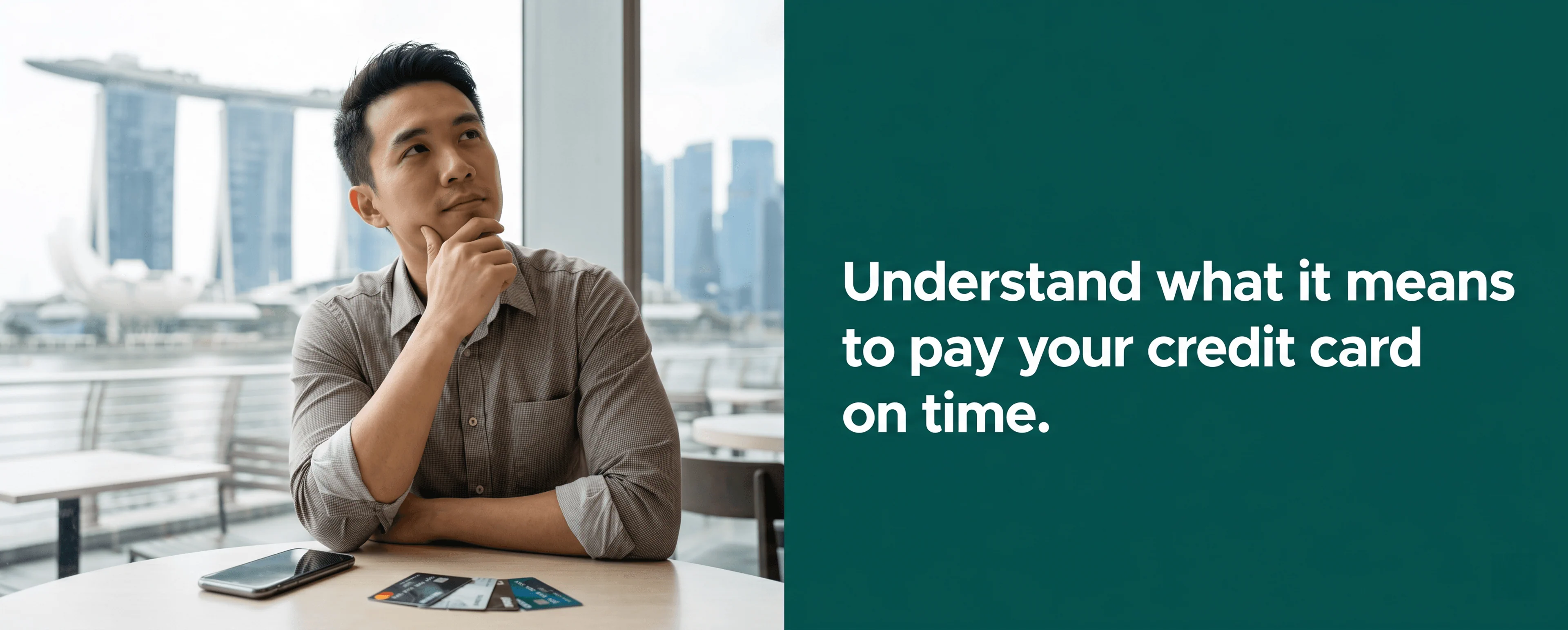
While the standard practice in Singapore is to settle your credit card bill upon receiving your monthly statement, adjusting your credit card payment frequency singapore by making multiple payments throughout the month can offer several notable benefits. This approach can help reduce interest charges, improve your credit score, and streamline your personal debt management.
However, are frequent credit card payments strictly necessary? In Singapore, credit card billing cycles strictly follow a monthly pattern, with a stated due date clearly indicated on your monthly statement. While major local card issuers like DBS, UOB, and OCBC allow you to make multiple payments within a single billing cycle, processing times and how they impact your available credit limit can differ across banks.
Determining how often should i pay my credit card singapore ultimately depends on your spending habits, cash flow, and financial goals.
>> MORE: What happens if I pay only the credit card minimum payment?
To better manage cash flow: Splitting your payments into smaller, more manageable increments throughout the month helps align your spending with your income stream.
To free up your credit limit: If you have a lower credit limit and intend to make a large purchase mid-month, paying early prevents you from maxing out your card.
To build positive financial habits: Checking your accounts frequently and paying them down prevents the "sticker shock" of a massive bill at the end of the month.
>> MORE: How to pay your credit card bills & outstanding balances

Compare exclusive offers on SingSaver across cashback, miles, and rewards cards—plus enjoy stackable welcome gifts.
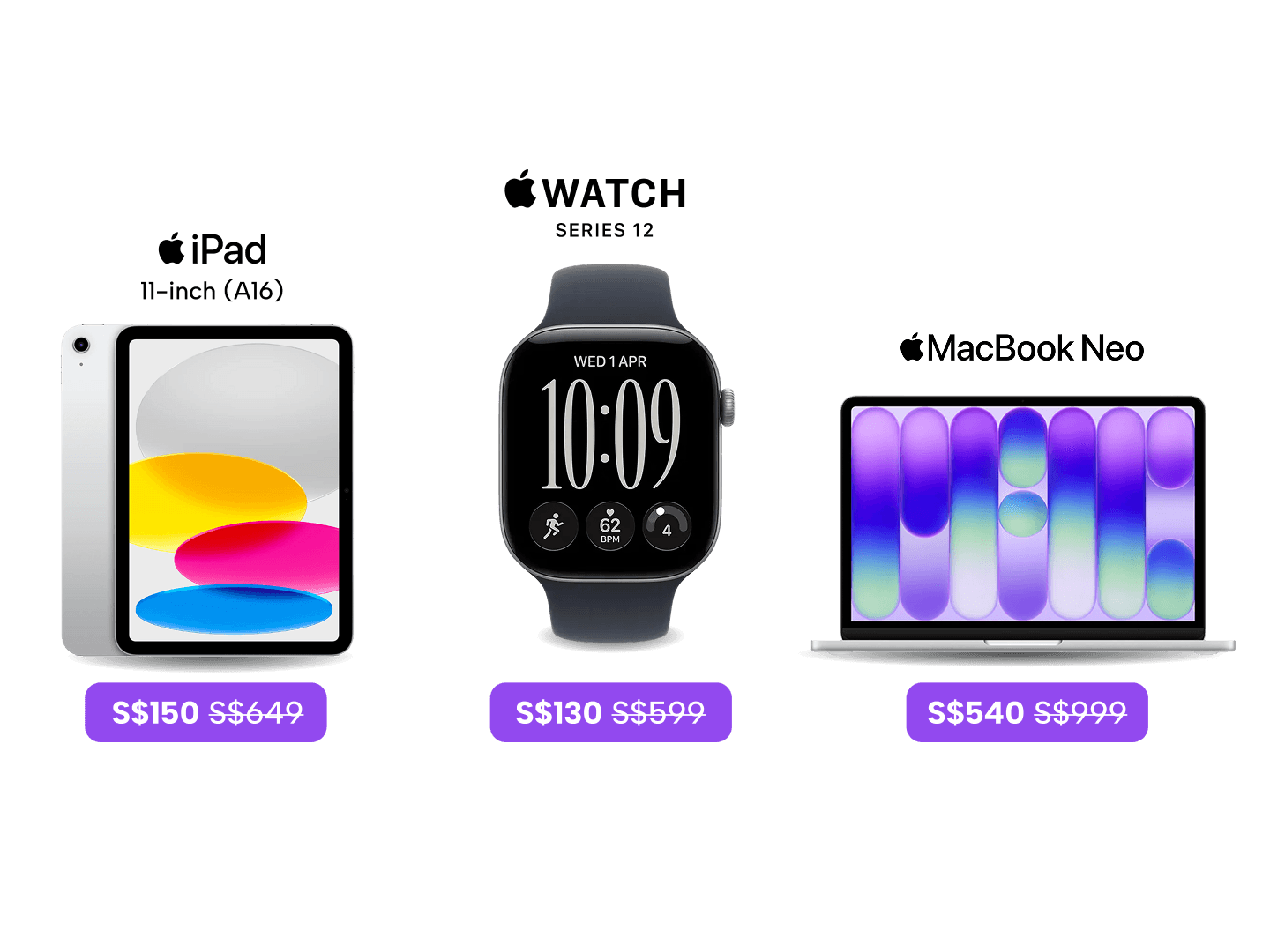
Turn your reward into a sleek Apple tablet, headphones or laptop with a top-up starting from just S$130. Apply for select credit cards and take your pick. T&Cs apply.
You consistently settle your balance in full: If you pay your total statement balance before the credit card payment due date grace period expires each month, you completely avoid finance charges, making extra mid-month manual tracking unnecessary.
You want to maximize your savings interest: Keeping your cash in high-yield savings accounts (like the UOB One Account or OCBC 360 Account) until the absolute due date allows your funds to earn interest for as long as possible.
You don’t foresee applying for new credit lines soon: If you aren’t applying for an HDB loan, a bank mortgage, or a major loan in the near future, micromanaging your credit bureau snapshot mid-cycle offers minimal practical advantage.
You prefer automated financial management: Setting up a monthly automated GIRO deduction ensures your bills are fully paid on time without the risk of forgetting manual payment dates.
>> MORE: How does credit card interest work?
If you pay your credit card balance in full before the due date, you won't be charged a single cent in interest—regardless of whether you choose to pay credit card bill multiple times a month or settle it via one lump sum.
However, if you are carrying a balance from month to month, understanding when to pay credit card bill becomes vital. Making multiple payments before your statement closing date lowers your average daily balance, which directly reduces the total interest billed. For example, if you frequently carry a balance and pay S$200 a few times before your statement closes, you will pay significantly less interest overall than if you just made one single S$600 payment right on the due date.
Conversely, if you make payments after your statement closes, those funds will only affect your next month's billing cycle. Banks in Singapore strongly encourage early payments to prevent snowballing finance charges.
For instance, if your statement date is the 3rd of May, your payment due date is generally 20 to 25 calendar days later (e.g., the 25th or 28th of May). While you are legally obligated to make at least the minimum payment by that date, paying off the total balance is highly recommended to stop interest from compounding. It is worth noting that some banks, like DBS, automatically adjust due dates falling on weekends or public holidays to the next working day. However, failing to pay on time results in heavy penalties: standard late payment fees sit firmly at S$100 per month across major banks if the minimum payment isn't met.
| Bank | Policy on Early Payments | Typical Interest-Free Grace Period |
| DBS | Allows early payments to reduce the balance reflected on the next statement. | 25 days from the statement date. |
| OCBC | Allows early payments to lower the average daily balance, which directly reduces interest charges. Does not change the official statement or due dates. | 23 days from the statement date. |
| UOB | Allows early payments at any time. Payments clear outstanding interest and principal according to the bank's payment hierarchy. | 24 days from the statement date. |
>> MORE: How does a credit card work?
Many Singaporeans find it highly advantageous to synchronize their credit card payments directly with their monthly salary deposits. Some prefer making weekly or bi-weekly payments as a proactive way to manage cash flow and minimize the risk of overspending.
By making smaller, bite-sized payments throughout the month, you see your card balance drop more frequently. This provides a greater sense of financial control and progress. In Singapore, platforms like PayNow, AXS, and official bank mobile applications make these manual transfers incredibly fast and seamless.
Frequent payments also act as a shield against significant debt accumulation. Consistently reducing your outstanding balance mitigates the cash flow risks associated with retail installment plans or Buy Now Pay Later (BNPL) schemes, which often feature much shorter repayment windows.
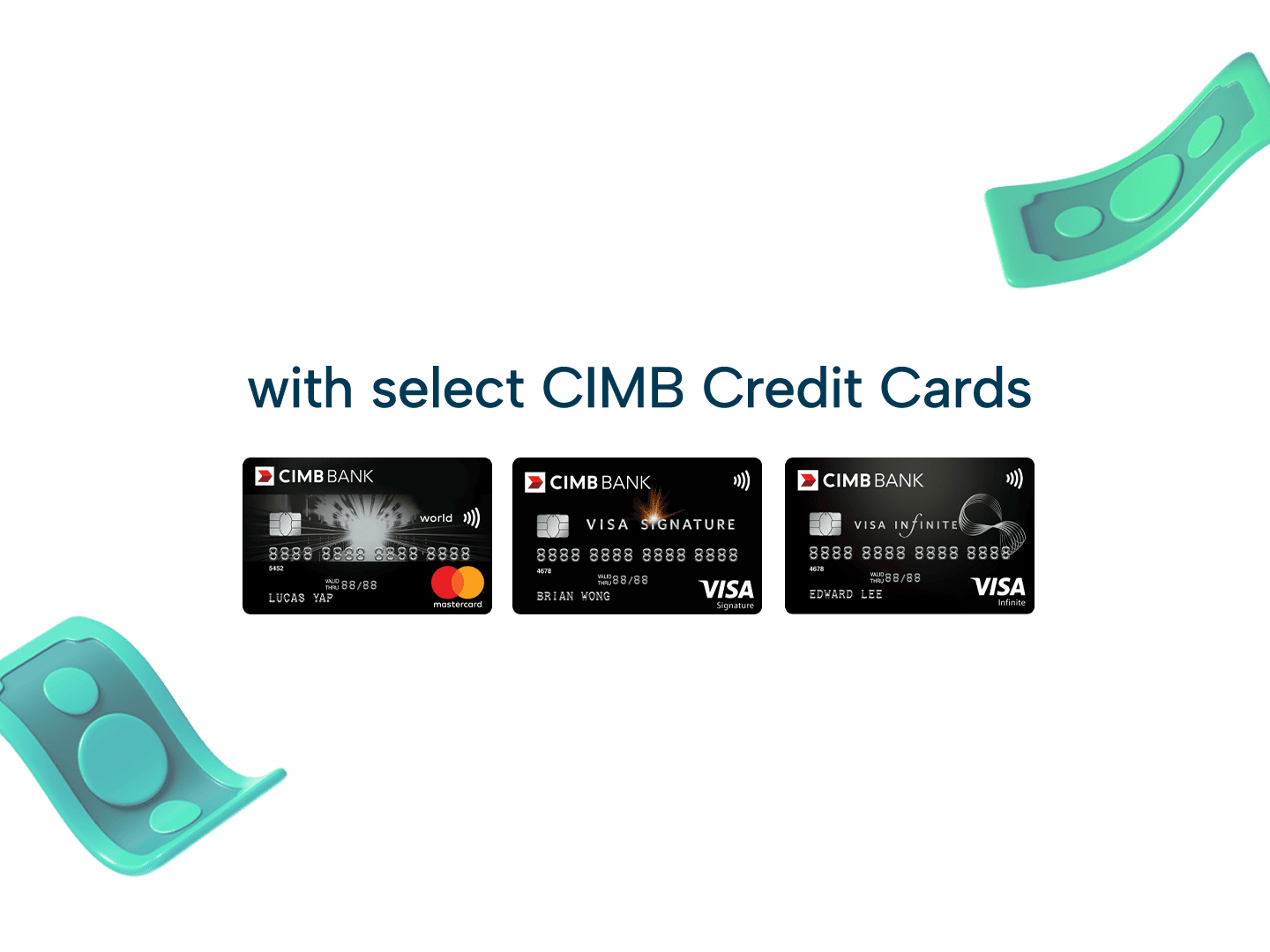
Receive S$50 Cash when you sign up for a CIMB World Mastercard and spend a min. of S$2,000 within 60 days of card approval. Plus, get an additional Samsonite Black Label Fanthom Spinner 69/25 EXP TSA Luggage (worth S$1,150) fulfilled by CIMB. Valid until 31 October 2026. T&Cs apply.
Unlike credit systems in some countries where frequent payments might be flagged or require complex reporting schedules, Singapore’s financial system encourages responsible credit management. Making multiple payments within a billing cycle is never penalized.
In fact, making early payments on your credit card can positively influence your Credit Bureau Singapore (CBS) report by demonstrating consistent, low-risk credit behavior. These early payments steadily reduce your outstanding balance, which in turn lowers your credit utilization ratio (the amount of credit you are using compared to your total approved credit limit).
Furthermore, by paying down your card more than once a month, you effectively free up your credit limit. This gives you the flexibility to make additional primary purchases when needed without risking an overlimit fee (which typically costs S$40 to S$50 in Singapore).
>> MORE: Check your credit score for free
Major banks like DBS, UOB, and OCBC have strict late fee structures. For instance, DBS, UOB, and OCBC all charge S$100 if the minimum payment isn’t received by your statement due date. To avoid these hefty charges and the potential negative impact on your credit score, knowing exactly when to pay credit card bill and executing it before the credit card payment due date grace period ends is crucial.
If you choose to pay credit card bill multiple times a month, paying at least the minimum amount early in the billing cycle guarantees you protect yourself against late fees, while paying off the remaining balance later helps you completely how to avoid credit card interest singapore. Additionally, setting up auto-reminders or a monthly GIRO deduction through your bank’s mobile app or calendar can help you optimize your credit card payment frequency singapore.
Proactively managing how often should i pay my credit card singapore not only prevents late fees but also enables you to maintain a positive credit history, as missing a payment by more than 30 days is recorded on your Credit Bureau Singapore (CBS) report, damaging your borrowing power for future loans.
Paying monthly is perfectly fine if you always pay your statement balance in full, as you will not incur any interest. However, paying weekly can be better if you struggle with cash flow budgeting or have a low credit limit. Weekly payments keep your balance low and prevent you from spending money that needs to be reserved for your end-of-month bill.
Yes, it can indirectly improve your credit score. When you pay early, you lower your total outstanding balance. When Credit Bureau Singapore (CBS) takes its monthly data snapshot from the banks, your credit utilization ratio will appear lower, which signals to lenders that you are a low-risk borrower.
When you pay twice a month, your available credit limit is instantly freed up after each payment clears, allowing you more spending flexibility. If you are carrying a balance, paying twice a month lowers your average daily balance, which reduces the total interest computed by the bank on your next statement.
The most effective way to avoid credit card interest is to pay your total statement balance in full on or before the payment due date every single month. By doing this, you fully utilize the interest-free grace period (usually 20 to 25 days) provided by Singapore banks, ensuring you never pay a cent in finance charges.
Making a full payment clears your entire monthly bill, meaning you pay 0% interest. Making only the minimum payment (typically 3% of your balance or S$50, whichever is higher) protects you from late fees and keeps your card active, but the remaining balance will hit a massive finance charge of 27.78% to 27.80% p.a., calculated daily until fully paid.
If you consistently settle your credit card balance in full each month and don't anticipate needing to apply for additional credit soon, making multiple payments within a billing cycle provides little to no added benefit.
Credit card issuers typically offer an interest-free grace period for accounts paid in full, meaning you won't incur interest charges until the next due date. In such cases, you are essentially using your credit card as a convenient payment tool, capitalising on rewards and consumer protections while avoiding interest costs.
However, it's important to note that payment processing times can vary among banks. Therefore, overpaying or making multiple payments close to the statement closing date might not immediately reflect in your available credit or could potentially complicate the allocation of credit card rewards. In these scenarios, setting up automatic monthly payments via GIRO or your bank's online platform may be a more efficient and less time-consuming approach.
>> MORE: Best credit cards in Singapore
Discover the ideal credit card for your lifestyle by comparing offerings from Singapore's leading banks.

Spending most of her young writer's phase working as a freelancer, Afina's written for various industries ranging from e-commerce, travel to health and finance. Her expertise lies in her ability to make complex subjects like finance easy to consume for everyday readers.