Home Insurance: Why Is It Important And How Do You Compare The Best Plans?
Updated: 23 Sept 2026

Written byAfina Najib
Senior Content Editor - Singapore
Disclaimer: The information on this page is for general educational and informational purposes only and should not be considered financial or investment advice.
You might be tempted to think that because Singapore is relatively robbery-free and sheltered from natural disasters like earthquakes and typhoons, you can save by scrimping on home insurance.
For most of us in Singapore, our property is the single largest investment we will ever make. Whether you have just collected the keys to your brand-new BTO flat or you're settling into a resale condominium, protecting that investment is paramount — which is exactly why home insurance is important, even in a low-disaster-risk country like Singapore.
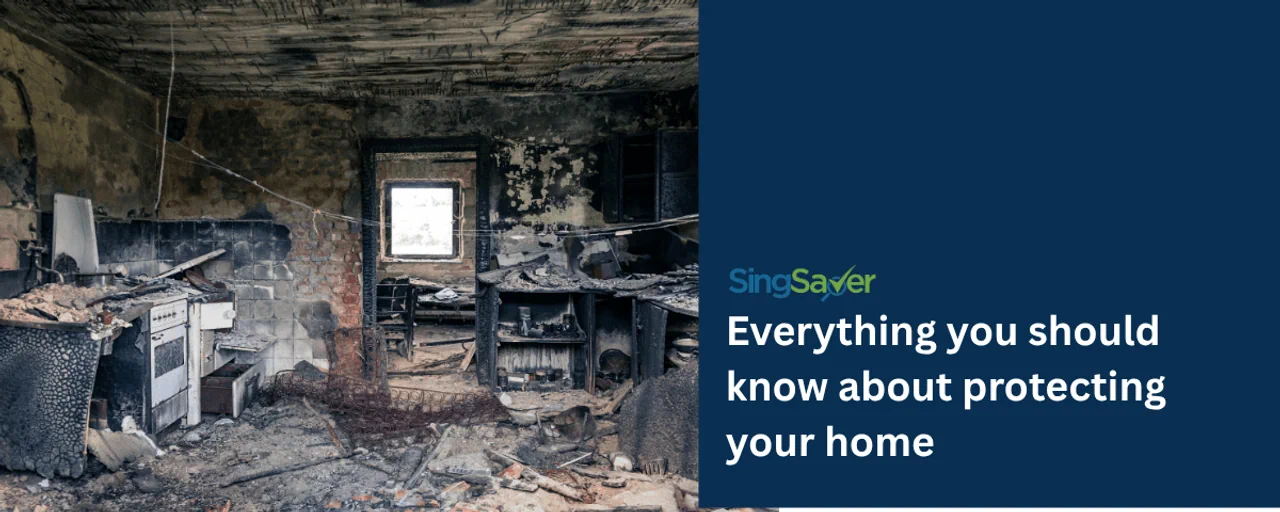
Many homeowners mistakenly believe their basic fire insurance is enough to cover them when disaster strikes. In reality, a standard fire policy leaves your expensive renovations, designer furniture, and personal valuables completely exposed.
This guide explains why home insurance matters, what to look for in home insurance, do you actually need it, and how to choose home insurance that fits your home.
Do I need home insurance? Fire Insurance vs. Home Insurance
Before comparing plans, it's worth addressing the question every first-time property buyer asks: is home insurance mandatory in Singapore?
The short answer: basic fire insurance is mandatory in specific cases, but comprehensive home insurance is optional yet highly recommended.
If you own an HDB flat with an active HDB Concessionary Loan, you're automatically enrolled in the HDB Fire Insurance Scheme — currently administered by Etiqa Insurance (appointed for the period 16 August 2024 to 15 August 2029, succeeding FWD). If you take a private bank loan for a condo or landed property, your bank will similarly mandate a basic commercial fire insurance policy.
But basic fire insurance only covers structural damage to the original building fabric — bare concrete walls, floors, and pipes provided by HDB or the developer. If a fire breaks out in your kitchen, it won't pay a cent toward your custom cabinets, appliances, or belongings.
So do you need home insurance beyond the mandatory fire cover? If you've spent anything meaningful on renovations, furniture, or electronics — which is nearly every homeowner — the answer is yes. Comprehensive home insurance fills the gap by protecting your internal renovations, home contents, and personal liability.
Before You Compare
Calculate your renovation spend
Modern HDB renovations often exceed $50,000–$80,000
Tally your home contents value
Furniture, electronics, and valuables add up faster than expected
Check for First Loss coverage
Avoid older Average Clause policies that penalise underinsurance
Confirm sub-limits on valuables
Watches, jewellery, and fine art often need a declared rider
What to look for in home insurance
When evaluating options across providers, don't just pick the cheapest home insurance Singapore plan without checking the fine print. Focus on these core components:
1. Insuring for "First Loss" vs. "Average Clause"
Most modern, evergreen policies operate on a First Loss Basis — the insurer pays out up to your maximum sum insured without penalising you for underestimating your total contents value. Older policies often use an Average Clause, where underinsuring your property reduces your claim payout proportionally. Always opt for First Loss policies for peace of mind.
2. Renovation Costs vs. Home Contents
- Renovation Limits cover fixed items: built-in wardrobes, custom kitchen features, feature walls, flooring, air-conditioning units. With modern HDB renovations regularly exceeding $50,000–$80,000, make sure your coverage limit reflects current contractor rates.
- Home Contents cover moveable items: furniture, laptops, televisions, clothing, and appliances.
3. Emergency Home Assistance
Look for a 24/7 emergency hotline for plumbing, electrical, locksmith, or pest control emergencies. Some plans provide a dedicated annual subsidy for these call-outs.
4. Alternative Accommodation Expenses
If a fire, flash flood, or severe ceiling leak makes your home uninhabitable, a good policy pays for temporary hotel or serviced apartment stays, plus moving and storage costs, up to a sub-limit.
Important exclusions you should know about
- Wear and Tear: Gradual deterioration, rust, mould, or damage from lack of maintenance isn't covered.
- Deliberate Acts or Gross Negligence: Intentional damage or leaving your home unsecured for extended periods can lead to a rejected claim.
- High-Value Items Without Proof: Most policies cap payouts (typically $1,000–$2,000 per item) on luxury watches, fine art, and jewellery unless declared, appraised, and added as a rider.
Value of home contents for the average household
Contents accumulate faster than most people realise — expensive watches, laptops, smartphones, home entertainment systems, furniture, carpets, crockery, and appliances add up over time.
| Home Content | Examples | Est. Value (Basic) | Est. Value (High) |
|---|---|---|---|
| Furniture | Sofa, dining set, bed frames, wardrobe, kitchen cabinets | $4,000 | $25,000 |
| Home appliances | TV, sound system, washing machine, fridge, air-con | $5,000 | $20,000 |
| Kitchen and crockery | Pots, pans, cutlery, dishwasher, cooking stove | $200 | $2,000 |
| Mobile devices, entertainment | Desktop, laptop, tablets, smartphones, camera | $10,000 | $30,000 |
| Bathroom & sanitary | Water heater, shower, bathtub, basin | $2,000 | $10,000 |
| Walls, windows, flooring | Doors, gates, window panes, marble/tile/parquet flooring | $10,000 | $30,000* |
| Clothing, shoes & linen | Clothes, linen, bedsheets, sneakers, dress shoes | $1,000 | $8,000 |
| Jewellery & accessories | Jewellery, watches, handbags, wallet | $2,000 | $20,000* |
| Personal documents, cash | Certificates, passport, NRIC, will, photos | Priceless | — |
| Pedigree pets | AVA-approved dogs, cats, fish, birds | Priceless | — |
| Antiques and collections | Antiques, stamps, coins, artwork, wine | Priceless | — |
What types of coverage will you need?
- Home Contents: Furniture, appliances, crockery, clothes, jewellery, personal devices
- Fixtures and Fittings: Renovations — walls, ceilings, built-in wardrobes, floor coverings, pipes
- Damage to the House: Physical structural damage
- Loss of Personal Documents, Cash & Valuables: Passport, NRIC, cash, watches — payout capped and varies by policy
- Interim Accommodation: Temporary housing if your home becomes uninhabitable, usually capped in amount and duration
- Compensation for You, Family & Domestic Helper: Medical expenses from accidents
- Pets: Loss of a pet (usually dogs/cats), sometimes an optional add-on
- Personal Liability: Legal liability if someone is injured in your home, or your negligence damages a neighbour's property
Why fire insurance is not enough
It's easy to conflate fire insurance with home insurance. Fire insurance covers repair costs for internal structures, fixtures, and areas built and provided by HDB due to fire, smoke, or water damage — but excludes your furniture, renovations, and personal belongings entirely. Getting comprehensive home insurance closes that gap. If you have a pedigree dog or exotic cat, check that your policy includes pet coverage or add it as a rider.
While Singapore has a low crime rate, house break-ins still occur, and with many plans priced affordably (and payable by credit card), it's worth doing the maths now. See also: home insurance vs HDB fire insurance.
How to choose a home insurance policy
The best plan isn't the cheapest — it's the most comprehensive one that meets your needs. Calculate the value of your home contents and renovations first, then match your coverage to that figure.
Avoid under-insuring: if your total covered assets are worth $60,000 but you're only insured for $30,000, you're underinsured by 50%. A $10,000 claim would only pay out $5,000.
Once you know your required coverage, compare plans and look for:
- Multi-year discounts — five-year plans often cost less annually than yearly renewals
- Credit card tie-ins — some banks offer special rates when paying with a specific card
- Add-ons — if a plan doesn't cover everything you need, check whether it can be customised
Review your coverage periodically — a fresh $80,000 renovation, a new wine collection, or a home theatre system is a good trigger to reassess your tier of coverage.
Is home insurance worth it?
Given that basic fire insurance leaves your renovations and belongings completely unprotected, and that home insurance premiums typically start from under $100 a year for an HDB flat, the cost-to-protection ratio strongly favours getting covered. A single burst pipe, kitchen fire, or break-in can easily cost more in repairs and replacements than several years of premiums combined — making home insurance one of the more straightforward value calculations in personal finance.
Best home insurance plans in Singapore
The table below compares digital-first home insurers based on a standard 4-room HDB flat or mid-sized condo baseline.
| Insurer & Plan | Estimated Annual Premium (HDB 4-Room) | Max Building/Renovation Limit | Max Home Contents Limit | Standout Benefits |
|---|---|---|---|---|
| Tiq by Etiqa Home Insurance | From $50–$90 | Up to $120,000 | Up to $50,000 | Emergency Home Assistance up to $800/year; flexible smart-appliance add-ons; competitive multi-year discounts |
| MSIG Enhanced HomePlus | From $95–$140 | Up to $150,000 | Up to $75,000 | High sub-limits for valuables and jewellery; alternative accommodation up to $15,000; fraud and identity theft protection |
| Singlife Home Insurance | From $60–$110 | Up to $100,000 | Up to $50,000 | 10% discount for existing Singlife car/life policyholders; emergency cash allowance if uninhabitable; air-con maintenance/leak extensions |
| Income Home Insurance | From $55–$100 | Up to $100,000 | Up to $50,000 | Cooperative-heritage pricing; solid claims track record; family personal accident cover included |
Note: Premiums are dynamic estimates based on prevailing market rates and are subject to change depending on your property's size, age, and chosen add-ons.
Decision Guide
Conclusion
Securing your home goes far beyond paying off your mortgage or picking out furniture. While the law only mandates basic structural fire coverage, leaving your actual assets unprotected is a risk no homeowner should take. By comparing plans and reviewing your renovation and contents limits every few years, you can rest easy knowing your home is protected from unexpected financial shocks.
About the author

Afina Najib
Spending most of her young writer's phase working as a freelancer, Afina's written for various industries ranging from e-commerce, travel to health and finance. Her expertise lies in her ability to make complex subjects like finance easy to consume for everyday readers.
The information on this page is for educational and informational purposes only and should not be considered financial or investment advice. While we review and compare financial products to help you find the best options, we do not provide personalised recommendations or investment advisory services. Always do your own research or consult a licensed financial professional before making any financial decisions.