10 Easy Ways to Minimise Your Travel Costs
Updated: 5 Aug 2026

Written byAfina Najib
Senior Content Editor - Singapore
Between flight tickets and accommodation, travel adds up fast. Here are 10 practical ways to cut costs on your next trip — from timing your travel insurance right to picking smarter transport and accommodation:
- Pick the right travel companions
- Buy your travel insurance as early as possible
- Avoid commission-driven "low cost" package tours
- Ship heavy or high-value items instead of paying excess baggage
- Check prices a few days either side of your travel dates
- Compare local roaming vs a local SIM card
- Weigh up annual vs single-trip travel insurance
- Consider a hosted Airbnb instead of a hotel
- Don't shy away from trains and buses
- Use a multi-currency account if you travel to the same countries often
SingSaver x HSBC TravelOne Credit Card Exclusive Offer
Get up to 2.4 Miles (6X Reward points) for your travel spending, and enjoy 4 complimentary lounge visits per year with HSBC TravelOne Credit Card!
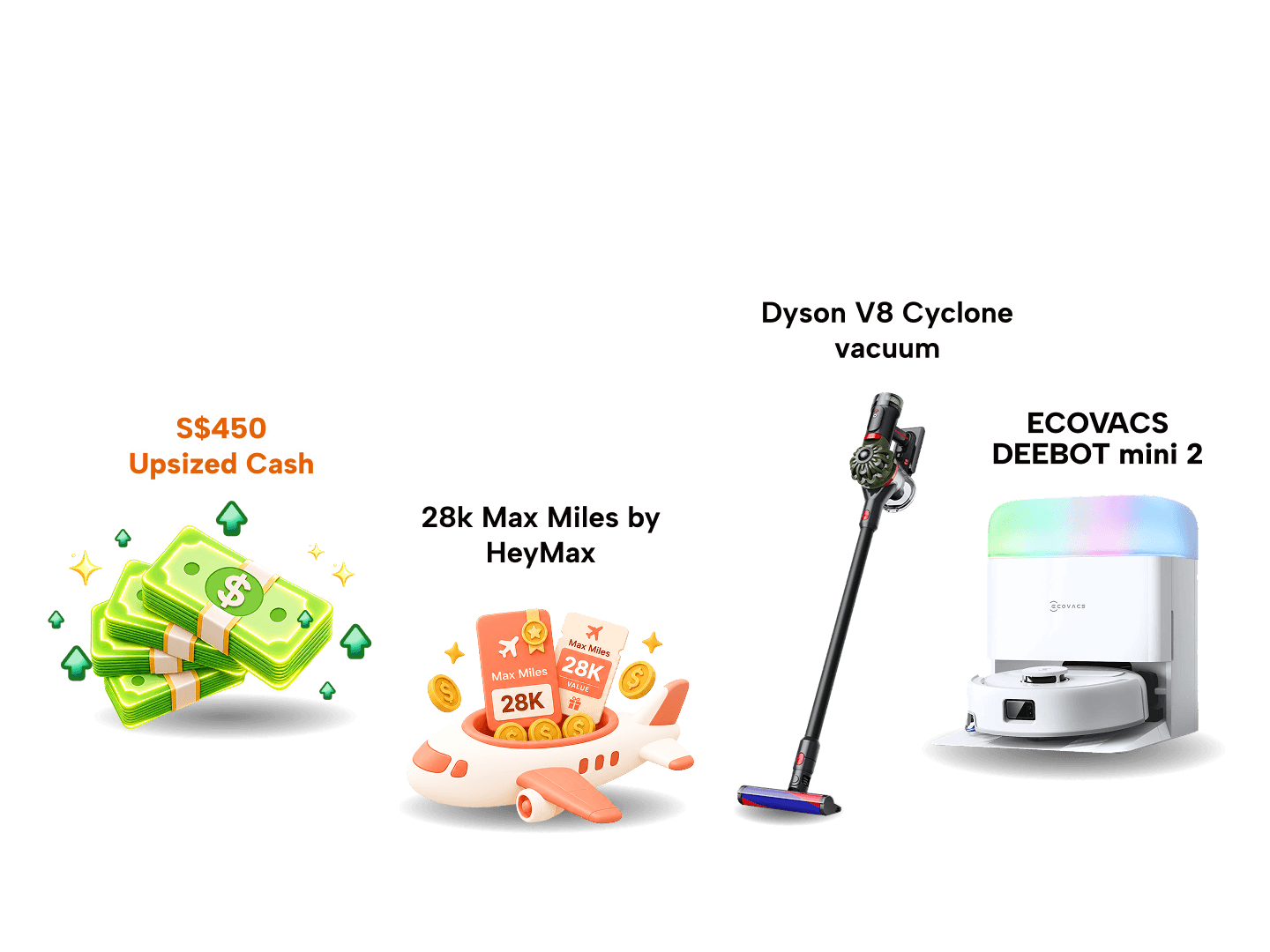
Plus, score S$450 Upsized Cash, Dyson Airstrait, Dyson V8 Cyclone cordless vacuum, 28,000 Max Miles by HeyMax, or an ECOVACS DEEBOT MINI 2 when you apply via SingSaver and fulfil promo requirements. Valid until 23 September 2026. T&Cs apply.
Or, Get the Reward Upgrade You Deserve!
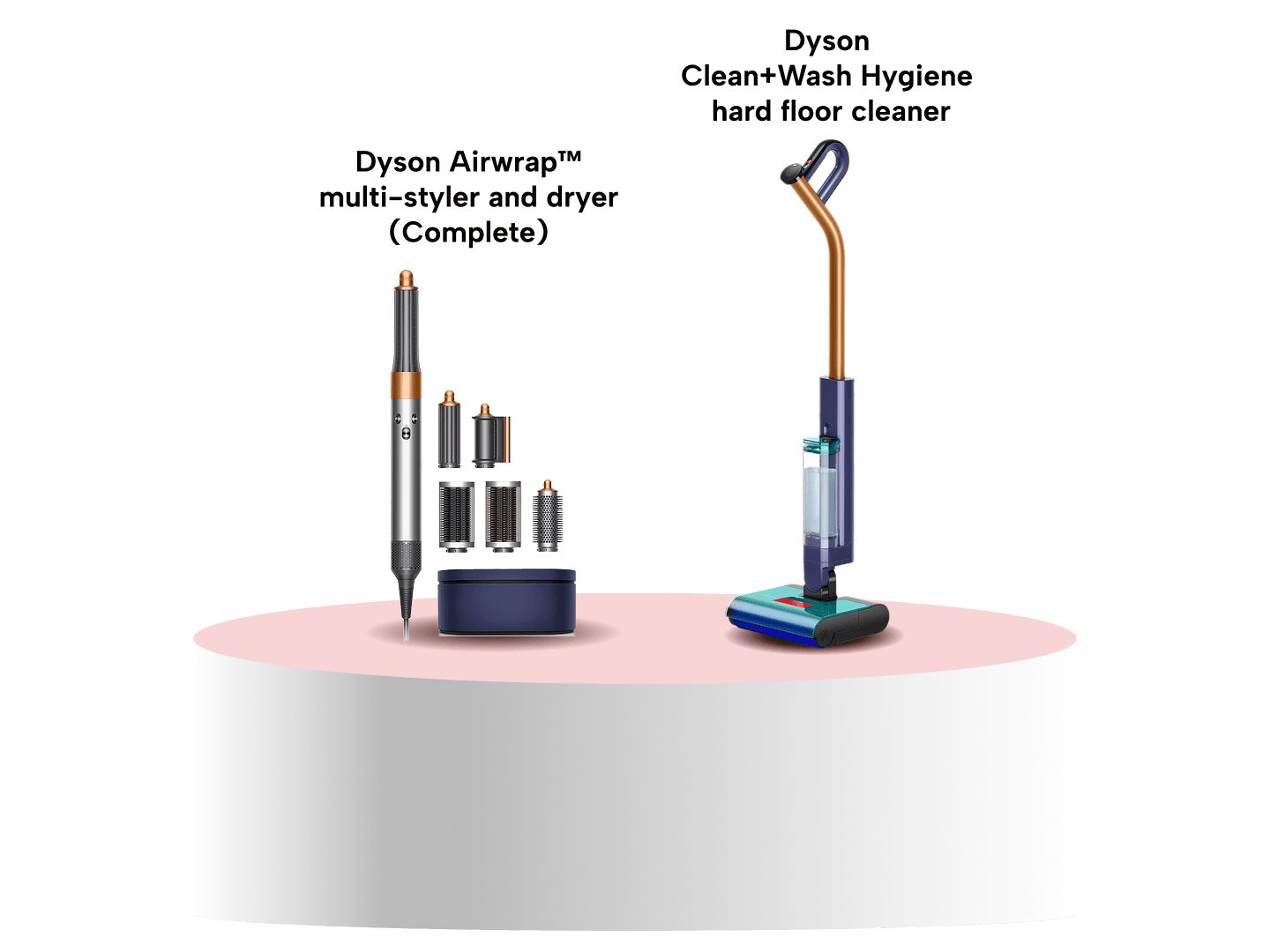
You can also top up from just S$100 to upgrade to the latest Dyson and Apple products, including the latest MacBook Neo 256GB Magic Keyboard. Valid till 23 September 2026. T&Cs apply.
Who you travel with affects your budget. Travel with friends who insist on always going to top restaurants, or getting the best rooms (without bothering to compare price), and you’re going to spend much more than usual.
On the flip side, travelling with thrifty companions can save you a lot of money. They can also help to discourage you from frivolous spending.
If you travel with family, consider giving financial control to the most responsible person.
2. Buy your travel insurance as early as possible
Never wait until you’re at the actual airport, before buying last minute travel insurance. You should buy the insurance almost as soon as you’ve booked the flight and hotel.
Travel insurance provides coverage for cancelled trips. This can happen due to events such as natural disasters, terrorist attacks, or disease outbreaks. If you already have travel insurance when this happens, you can make a claim for the cancelled trip. If you haven’t already bought the insurance, then your non-refundable flight tickets or hotel rooms are just wasted money.
Nowadays, it’s easy to compare travel insurance plans and find one most suitable for your needs.
Travel Insurance Decision Guide
3. Avoid commission-driven, “low cost” package tours
You may, on occasion, encounter a package tour that’s unusually cheap. This is not always from a tour agent. For example, if you’re in Thailand, you may be offered a low cost (or even free) three-day tour to Chiang Mai.
The reason these tours are cheap is due to commissions – the tour guides will direct you to stores or restaurants that pay them a cut. The more tourists they can bring, the more money they’ll make.
You’ll rarely get a satisfying tour from these guides, as they don’t care about the actual quality of your tour. They often steer you into the worst tourist traps, where stores and restaurants will rip you off.
Check sites like TripAdvisor, or look for online reviews of the tours. And if they seem too good to be true, they probably are.
4. Ship heavy or bulky items, rather than pay for excess baggage. Same goes for high-value objects.
If you’re buying something bulky, such as antiques or carvings, don’t put them in your luggage. Not only are they more likely to get damaged, you’ll end up paying at least US$8 (about S$10.70) per kilo; prices can even reach above USD$85 (about S$114) per kilo, depending on the airline and destination.
It’s usually cheaper to get such items shipped home, via a courier service. So tell the store to ship it for you, rather than packing it in your bag.
You should also ship high-value items, such as jewellery or watches, via a courier service instead of leaving them in your luggage. This is because most travel insurance only covers losses of up to S$5,000 (S$2,500 maximum claim per item). However, courier services often have better insurance options.
5. Check prices up to three days before your arrival, and three days after your departure
Be flexible when using travel comparison sites. Check the hotel and airfare prices within three days of your intended arrival and departure dates. Sometimes, shifting the schedule by a single day can shave several hundred dollars off the price.
Sites like Kayak often show the prices for close, alternative dates.
6. Check the price of a SIM card at your intended destination
Sometimes, it’s cheaper to get your telco to extend your data roaming services, than to pay for a SIM card abroad. Most local telcos, such as M1, Singtel, and Starhub, have prepaid data roaming packages that range between S$15 to S$30.
Check out the price of a data SIM card where you’re going, and compare to see if they’re cheaper.
7. If you’re a frequent traveller, work out if annual travel insurance would save you money
If you leave the country often (e.g. six or more times a year, which may also include trips to nearby places like Johor), do consider annual travel insurance. This is much cheaper than paying for a policy every time you go abroad.
It’s also safer, since you won’t forget to purchase insurance before you leave. We often take safety for granted, especially when we’re going to Malaysia or Indonesia (e.g. Batam or Bintan).
Before You Compare
Check how often you travel
Frequent travellers (6+ trips a year) often save more with annual cover.
Confirm baggage and high-value item limits
Most plans cap baggage claims per item; ship valuables separately if needed.
Buy right after booking, not at the airport
Trip cancellation cover only protects bookings made after your policy starts.
8. Consider a hosted Airbnb unit, instead of a hotel
A hosted Airbnb unit tends to be cheaper than most hotel rooms. Prices vary based on the city, but do compare the two. Besides being cheaper per night, a hosted unit is a big advantage – especially for solo travellers.
First, it’s a lot safer, as the host knows to expect you. If you don’t return to a hotel for two or three days, no one is likely to notice (there are hundreds, if not thousands of guests). An Airbnb host, however, will know something is wrong if you don’t return.
Second, a host can give you invaluable advice, as they live in the area. They can steer you away from tourist traps, and toward interesting locales that aren’t in the travel guides.
While the hotel concierge can also dispense advice, bear in mind that some of them receive commissions or under-the-table kickbacks. They may be paid to steer tourists toward an overpriced shop or restaurant.
The third advantage is that, sometimes, your host will drive. Some may not mind dropping you off at a train station (or even at your location in town) if it’s along their way.
9. Don’t shy away from trains and busses
Some cities, such as Tokyo and New York, are well connected by train stations. There’s seldom a need to rent a car, or to cab everywhere. In fact, it may sometimes be faster and more convenient to use the train than the roads (due to extreme traffic congestion).
Don’t be too quick to spend money on hired cars. Spend some time trying to figure out train and bus routes, and you could save a fortune in transport.
10. If you repeatedly visit a particular group of countries, consider a multi-currency account
A multi-currency account lets you hold different kinds of currency. This means you won’t need to immediately convert money when you’re spending abroad, or when you receive money from overseas.
For example, if you already have US dollars in your multi-currency account, you can simply spend from this amount while in America. There’s no need to convert your Singapore dollars to US dollars, every time you make a purchase. This can save you up to seven or eight percent of the transaction costs, in Forex fees.
The DBS multi-currency account, for instance, lets you do this with any Visa card linked to the account. Check out SingSaver for a detailed comparison of more bank account options.
Disclaimer: The information on this page is for general educational and informational purposes only and should not be considered financial or investment advice.
About the author

Afina Najib
Spending most of her young writer's phase working as a freelancer, Afina's written for various industries ranging from e-commerce, travel to health and finance. Her expertise lies in her ability to make complex subjects like finance easy to consume for everyday readers.
The information on this page is for educational and informational purposes only and should not be considered financial or investment advice. While we review and compare financial products to help you find the best options, we do not provide personalised recommendations or investment advisory services. Always do your own research or consult a licensed financial professional before making any financial decisions.