Personal Loans Guides & Glossary: Everything You Need to Know About Personal Loans in Singapore
Updated: 13 May 2026

Written bySingSaver Team
Team
A Complete Library of Personal Loan Tips, Definitions, Comparisons & Repayment Guides
Understanding personal loans is essential before committing to any borrowing decision. This Personal Loans Articles Glossary brings together all of SingSaver’s expert guides, definitions, explainers, and practical tips to help you navigate personal loans in Singapore with confidence.
Whether you are researching interest rates, eligibility requirements, repayment structures, or comparing loan options across banks and licensed moneylenders, this page serves as your go-to learning hub. Our articles are designed to simplify complex loan concepts so you can make informed decisions, manage repayments responsibly, and avoid unnecessary borrowing costs. Bookmark this page as we continue to update it with the latest insights, regulations, and best practices around personal loans in Singapore.
All Personal Loans Articles

Payday Loans in Singapore: What Are They and How Do They Work?
A payday loan in Singapore is a short-term, high-cost loan from a licensed moneylender, meant to tide you over until your next salary. Interest is capped by law at 4% a month, and you must verify your identity in person before the loan is paid out.


Is Now a Good Time to Refinance My Mortgage?
The best time to refinance your mortgage in Singapore is when your lock-in period is about to end. Start comparing packages about four months beforehand, since most banks need three months' notice. With fixed refinancing packages starting from around 1.40% to 1.45% p.a. in September 2026, refinancing is especially worth considering if you're now paying your bank's board rate.





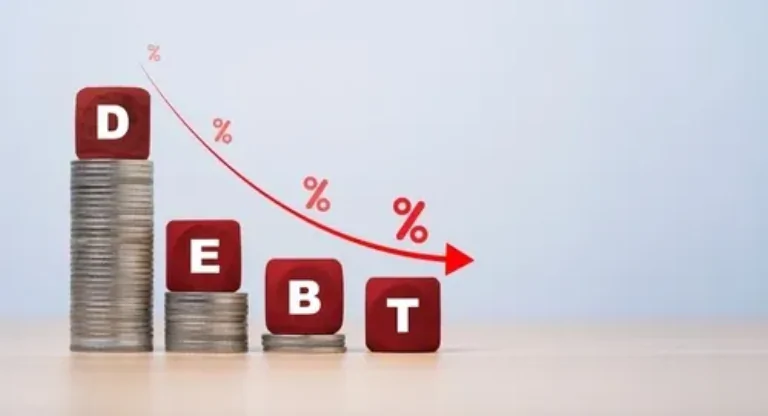
Top Strategies for Managing a Personal Loan and Reducing Debt in Singapore
Managing a personal loan well comes down to four things: know your exact interest cost (EIR, not the headline rate), pay off your highest-interest debt first, make extra payments whenever you can without triggering early repayment penalties you didn't budget for, and keep a small emergency fund so a surprise expense doesn't force you into new debt. Here's how to reduce debt with a plan that actually holds up month to month.
The information on this page is for educational and informational purposes only and should not be considered financial or investment advice. While we review and compare financial products to help you find the best options, we do not provide personalised recommendations or investment advisory services. Always do your own research or consult a licensed financial professional before making any financial decisions.
About the author
SingSaver Team
At SingSaver, we make personal finance accessible with easy to understand personal finance reads, tools and money hacks that simplify all of life’s financial decisions for you.