How to Buy Gold in Singapore and Add it to Your Investment Portfolio
Updated: 15 Sept 2026

Disclaimer: The information on this page is for general educational and informational purposes only and should not be considered financial or investment advice.

Saver takeaways
-
You can buy gold in Singapore through various channels, including online brokerage accounts.
-
Investment options include physical gold (like gold bars and coins) or gold-related investments, such as stocks, mutual funds, and ETFs.
-
While gold can be used to hedge against inflation, it might not experience the same growth as traditional stocks.
Gold: the ultimate safe-haven asset? It's been a store of value for centuries, and many investors turn to it during times of economic uncertainty. If you're exploring gold investment in Singapore, you'll find a wide range of options — from physical bullion to ETFs and futures — each with different costs, liquidity, and risk profiles. Is gold a good investment for your portfolio right now? Let's break down how to buy gold in Singapore and decide what fits your goals.

SingSaver x Plus500 Exclusive Offer
Get S$300 Cash, Samsung Galaxy Buds4 Pro (worth $349), or 20,000 Max Miles by HeyMax when you open a Plus500 account through SingSaver, make a min. deposit of S$1,000, and execute at least 3 trades in Commodities or Indices or Options within 14 days. Valid till 4 October 2026. T&Cs apply.

💎 Exclusive Deposit Bonuses from Plus500
Get S$13,000 plus 8,000 Trader Points when you deposit min. S$75,000 with bonus code DIAMOND, S$688 plus 408 Trader Points with min. S$1,000 using SingSaver688, or S$288 plus 128 Trader Points with min. S$500 using SingSaver500. Valid till 31 October 2026. T&Cs apply.
How do you buy gold in Singapore?
There are two main ways to invest in gold: physical gold and "paper" gold. Physical gold refers to owning gold bars, coins, or jewellery. Paper gold refers to gold-related investments such as stocks, ETFs, and mutual funds. Knowing how to buy gold in Singapore starts with picking which category fits your goals.
Before You Compare: Check These Factors
Liquidity
How easily can you buy and sell your gold investment?
Fees
What are the costs of buying, storing, and selling gold
Storage
Where will you securely store physical gold, if any?
Risk
What risks come with each investment type?
1. Physical gold
Gold bullion (bars and coins)
If you want the “real deal” kind of gold investment, gold bullion is it — investment-grade gold that typically comes as bars, ingots, or coins. In Singapore, bullion is popular because it’s straightforward: you’re buying gold (not a company, not a fund), and its value generally tracks the market price of gold.
Here are a few things worth knowing before you buy:
-
Look out for investment-grade purity. Investment-grade gold is generally high purity (commonly at least 99.5%). Many bullion products are labelled 999 (99.9%) or 9999 (99.99%).
-
Bars vs coins: what’s the difference?
-
Coins (often minted by sovereign mints) can be easier to recognise and trade, but may come with higher premiums (the extra you pay above spot price).
-
Bars from reputable refineries often carry lower premiums, which can matter if you’re buying purely for investment.
-
Premiums matter more than people think. The premium is what you pay on top of the spot price (dealer costs, logistics, margin). When you sell, buyback pricing can be different too, so comparing premiums helps you keep more of your returns.
-
Size affects value-for-money and resale. Smaller pieces (e.g., tiny bars) often have higher premiums. Very large bars can be cheaper per gram but harder to sell quickly. Many everyday investors go for more “common” sizes (like around 1 oz) for a balance of affordability and resale flexibility.
-
Buy from reputable sellers, and verify authenticity. This is not the time to gamble on random marketplaces. Stick to established banks or dealers. (There have been cases globally of sellers trying to pass off other metals as gold, so buying from trusted sources matters.)
- Don’t forget storage and insurance. Physical gold is portable, which is great until you remember it’s also portable for thieves. If you’re buying meaningful amounts, you’ll want to think about secure storage (like a bank safe deposit box or vault service) and whether you need insurance.
Pros
Helps diversify your portfolio and can act as a store of value
No “counterparty risk” — you own the physical gold
Cons
You’ll likely need secure storage (and possibly insurance), which adds cost
Can be less convenient to sell quickly compared to gold ETFs or stocks
You may pay a premium above spot price when buying
Where to buy in Singapore?
-
Banks: UOB Gold Bullion.
-
Bullion dealers: BullionStar, GoldSilver Central, and other established dealers.
SingSaver Savvy Tip
If you’re buying bullion mainly for investment (not collecting), compare premiums and consider commonly traded sizes (often around 1 oz), as they can be easier to resell than very small “fractional” pieces with higher markups.
Gold jewellery
Gold jewellery can offer some exposure to gold, but it’s important to understand that it’s not the same as investing in physical gold bullion. While jewellery lets you “wear your wealth,” its value isn’t driven purely by the price of gold.
This is because jewellery prices usually include additional costs beyond the gold content, such as craftsmanship, branding, and design. These extras don’t typically hold their value when you resell the item. In some cases, jewellery may also carry intangible value, such as sentimental or antique appeal, but this doesn’t always translate into predictable investment returns.
Another key difference in Singapore is tax treatment. Unlike investment-grade gold bullion, gold jewellery is not classified as an Investment Precious Metal (IPM), which means GST applies at the prevailing rate when you purchase it.
If your main goal is investment rather than wearability, gold jewellery may not be the most cost-efficient option, as markups and GST can reduce returns compared to bullion.
Pros
Dual purpose (wearable and investment potential)
Accessible through many jewelry stores
Cons
High markups due to design and craftsmanship, which may erode investment returns
Where to buy in Singapore?
-
Major jewellers: Poh Heng, SK Jewellery.
Jump to our segment on physical gold to learn more.
Saver-savvy tip
You can actually buy gold online through Interactive Brokers, making investing in precious metals more convenient.
2. Gold stocks
Gold mining stocks
Instead of owning physical gold, you can invest in companies that mine and produce gold. When gold prices rise, gold mining companies can benefit because the value of the gold they produce increases. That said, investing in gold stocks isn’t the same as investing in gold itself.
Gold mining stocks are influenced not just by gold prices, but also by how well the company is run. Factors like management decisions, production costs, debt levels, and even environmental or regulatory issues can affect performance. This means gold stocks can sometimes rise faster than gold, but they can also fall even when gold prices are steady.
Some gold mining companies may also pay dividends, which physical gold does not. However, dividends are not guaranteed and depend on the company’s profitability and cash flow.
In short, gold stocks offer indirect exposure to gold, with potentially higher upside, but also higher risk.
Pros
Potentially higher returns compared to physical gold if the company performs well
Easier to buy and sell compared to physical gold
Some companies may pay dividends
Cons
Stock performance depends on company management and overall market conditions
More volatile than physical gold
Share prices don’t always move in line with gold prices
Popular gold stocks:
-
Barrick Gold (GOLD)
-
Newmont Corporation (NEM)
-
Singapore-listed gold-related firms (if applicable).
How to invest in gold bullion in Singapore?
-
Banks: UOB Gold Bullion.
-
Open a brokerage account with DBS Vickers, Saxo Markets, FSMOne.
>> Read more: Best brokerage accounts

SingSaver x Saxo Markets Exclusive Offer
Get S$180 Cash or 11,500 Max Miles by Heymax (worth S$207) when you sign up for a Saxo Markets account, fund a min. of S$3,000, maintain the funds for 30 days from date of deposit, and make at least 3x trades within 14 days of account opening. Valid till 1 November 2026. T&Cs apply.
3. Gold exchange-traded funds (ETFs)
Gold ETFs let you invest in gold without buying or storing physical gold. These funds are traded on stock exchanges, just like shares, and are designed to track the price of gold or hold gold-related assets on your behalf.
Some gold ETFs are backed by physical gold bullion, while others may gain exposure through gold-related assets such as mining companies or derivatives. What you’re investing in depends on the ETF’s structure, so it’s worth checking what the fund actually holds.
For investors in Singapore, gold ETFs are popular because they’re liquid, accessible, and easier to manage than physical gold. Certain gold ETFs are also listed on the SGX, which means they can be bought and sold using cash, SRS funds, or CPF funds (subject to CPF investment rules).
Gold ETFs can be a practical option if you want gold exposure as part of a diversified portfolio, without worrying about storage, insurance, or physical handling.
Pros
More liquidity than physical gold
Lower upfront capital needed compared to buying gold bars
No need for storage or insurance
Some ETFs are SGX-listed and eligible for SRS or CPF investing
Cons
You do not own physical gold
Management fees may apply and can affect long-term returns
ETF performance depends on how the fund is structured and managed
Gold ETFs vs gold unit trusts (quick comparison)
While both provide exposure to gold, gold ETFs are typically passively managed and aim to track gold prices closely. Gold unit trusts, on the other hand, are usually actively managed, which means fund managers make decisions on buying and selling assets. This can result in higher fees and performance that may differ more from gold price movements.
Popular gold ETFs:
-
SPDR Gold Shares ETF (GLD)
-
iShares Gold Trust (IAU)
-
Other SGX- or US-listed gold ETFs (depending on availability)
How to invest in gold ETFs in Singapore?
-
Open a brokerage account with DBS Vickers, Saxo Markets, or FSMOne.
>> Read more: Best ETFs in Singapore
SingSaver x moomoo Exclusive Offer
Open a Moomoo account and fund a minimum of S$2,000 to get S$130 Cash via PayNow, S$140 Grab Vouchers or 8,000 Max Miles by HeyMax. Valid till 1 November 2026. T&Cs apply.
4. Gold futures
A gold futures contract is an agreement to buy or sell a specific quantity of gold at a predetermined price on a future date. These contracts are traded on exchanges, and their value fluctuates based on the expected future price of gold.
Pros
High leverage potential (control a large amount of gold with a small investment)
Short-term trading opportunities
Cons
High risk, potential for significant losses
Requires active market knowledge and experience
Where to trade gold futures in Singapore?
-
Singapore Exchange (SGX)
-
CFD platforms (IG Markets, CMC Markets)
>> Read more: Gold perpetual futures

SingSaver x CMC Markets Exclusive Offer
Open a CMC Markets account and get 2,500 Max Miles by HeyMax (worth S$45), an upsized S$20 cash via PayNow or S$40 Grab Voucher. Valid till 1 November 2026. T&Cs apply.
5. Gold savings accounts
A gold savings account lets you invest in gold through a bank, without having to buy or store physical gold yourself. When you use one, you’re essentially buying a specific quantity of gold, and your balance moves in line with the bank’s gold prices.
This option appeals to investors who want exposure to gold prices but prefer convenience over physical ownership. You can usually buy and sell gold through online or mobile banking, making it easy to manage alongside your regular savings and investments.
In Singapore, banks such as UOB and OCBC offer gold savings or precious metals accounts. Do note that banks may set minimum purchase amounts, and there are often service charges or spreads between buying and selling prices, which can affect long-term returns.
Pros
Convenient way to gain gold exposure through your bank
No need to store or insure physical gold
Suitable for smaller or gradual investments
Cons
Service charges and buy-sell spreads may apply
You don’t hold physical gold
Pricing is determined by the bank, not the open market
Which way to buy gold in Singapore fits you?
6. Gold certificates
Gold certificates represent ownership of a stated amount of gold without physical delivery. Instead of holding gold bars or coins, you hold a certificate issued by a bank that confirms your gold ownership.
This can be useful if you’re concerned about storage and security, as the gold is typically held by the issuing institution. Depending on the product, gold certificates may be redeemable for cash or physical gold, giving some flexibility.
However, gold certificates can come with administration or service fees, and you’ll need to understand the issuer’s terms clearly, such as the minimum sizes, redemption rules, and how replacements are handled if certificates are lost.
Pros
No personal storage required
Provides exposure to gold without handling bullion
May offer conversion to cash or physical gold
Cons
Fees and charges may apply
You rely on the issuing institution
Less flexible than ETFs for frequent trading
Where to buy in Singapore?
-
Bank-issued gold certificates, such as those offered by UOB
7. Gold-linked structured investments
Gold-linked structured investments are more complex products typically offered by banks or brokers, and are generally suited to experienced investors. These products link returns to the price of gold, often alongside a base currency such as USD or SGD.
When you invest, you agree on a fixed investment period and a pre-determined conversion level. At maturity, your payout may be made in cash or gold, depending on how gold prices move relative to that level. This means outcomes can vary, and returns are not solely based on gold price movements alone.
Because of their structure, these products may carry market risk, liquidity risk, and potential principal risk, especially if you exit early or if gold prices move unfavourably. It’s important to fully understand the terms before investing, including how payouts work in different scenarios.
Pros
Can be tailored to specific market views
May appeal to investors comfortable being paid in gold or cash
Cons
More complex than ETFs or physical gold
Returns depend on specific product terms, not just gold prices
Returns depend on specific product terms, not just gold prices
May not be principal-protected
Gold jewellery suppliers in Singapore
Unlike investment-grade bullion, gold jewellery prices usually include additional costs such as design, workmanship, and branding. This means jewellery may not track gold prices as closely as bullion or gold ETFs. However, some buyers value the flexibility of resale, accessibility, or the ability to wear the gold.
Below are some well-known gold jewellery and gold-buying retailers in Singapore, offering a range of jewellery pieces and gold products.
|
Supplier |
What they’re known for |
Notes |
|
Maxi-Cash |
Jewellery retail and gold buying |
Offers gold jewellery and buyback services; prices may vary based on gold condition |
|
Mustafa Jewellery |
Wide selection of gold jewellery |
Popular for competitive pricing and variety across different gold purities |
|
MoneyMax |
Jewellery retail and pawn services |
Sells gold jewellery and gold-related items, with both online and in-store options |
|
UOB |
Bank-issued gold products |
Offers gold-related products and educational resources, including insights on gold investing |
Best gold investment platforms in Singapore
If you prefer to invest in gold without dealing with physical storage (or you want access to “paper gold” options like gold ETFs, gold-related stocks, and gold CFDs/futures), using an investment platform can be a more convenient route.
The table below compares a selection of platforms commonly used by investors in Singapore, including fees, minimum deposit requirements, and any promotions available at the time of writing. Always check the product details and terms before signing up, as pricing and rewards can change.
Product Name | Hot Reward Pick | SingSaver Reward | Min. Commission Fee (SG Stocks) | Min. Trading Fee | Min. Deposit | ||
|---|---|---|---|---|---|---|---|
 | moomoo SG | S$130 Cash via PayNow | S$1,244 | S$0 | S$0.99 /order | S$2,000 | |
 | Tiger Brokers | S$1,199 | S$0.99 | 0.08 % | S$3,000 | ||
 | Webull Singapore | S$2,402 | S$0 * | 0 % | S$3,000 | ||
 | Longbridge | S$508 | S$0 | 0.03 % | S$2,000 | ||
 | Plus500 | S$13,360 | S$0 | 0 % | S$1,000 | ||
 | IG Markets | - | S$1,668 | S$0 | 0 % | S$1,000 | |
 | eToro | S$330 | US$1 | - | S$1,000 |
- 5-second Account Opening with Singpass
- $0^ commission — US stocks and ETFs for life, US options (6 months), SGX stocks (first year) and HK stocks (30 days)
- 6 global markets — SG, US, HK, CN, KR & JP in one account
- Free Level 2 data — Deeper market insights across US/SG/KR
- Your AI Trading Copilot: 24/7 AI assistant to analyze, screen, strategize and trade in one conversation; 14-dimension stock screener and curated Investment Themes.
- Pro-level Options Suite: 13 options strategies, full options chains, Strategy Builder, price calculator—backed by free online courses and offline workshops.Unlock up to 3× yield on Sell Put strategies.
- Your SG Market Edge: One account for SG Stocks, S-REITs, Structured Warrants and DLCs — with top dividend trackers, company financials and real-time market signals.
- Top-Performing Funds, $0^ Fees: moomoo-curated, 6P-screened from $0.01, set idle cash to work with SmartSave, and automate recurring investments with DDA RSP. Build wealth effortlessly, on autopilot.
- Institutional Tracking & Smart Execution:Real-time 13F holdings (Berkshire, Bridgewater, BlackRock) + SG institutional flows, with 13 order types to act automatically.
- Regulated by MAS
- Moomoo store available at 313@Somerset, Jem, Bugis and Parkway Parade.
- Platform fees apply for every trade
In providing the above information, SingSaver is carrying out introducing activities on behalf of financial advisers. SingSaver is not to be construed as in any way engaging or being involved in the distribution or sale of any financial product or assuming any risk or undertaking any liability in respect of any financial product. Neither singsaver.com.sg or the content on it is intended as securities brokerage or investment advice, as an offer or solicitation of an offer to sell or buy, or as an endorsement, recommendation or sponsorship of any company, security or fund. The content on singsaver.com.sg is for general information purposes only and does not review or include all available companies, products or offers. SingSaver may receive compensation from the brands providing the offers or services appearing on this website. This advertisement has not been reviewed by the Monetary Authority of Singapore.
- Commission-free trades on US, HK, SG and China A stocks
- US Fractional Shares available
- Supports auto-invest in US stocks and ETF
- In-app community of millions of global investors
- Real-time market data and detailed analysis to make informed decisions
- Instant account opening as well as 24/7 support
- Licensed by Monetary Authority of Singapore (MAS)
- Named Best Personal Investment Platform at the Euromoney Awards for Excellence 2026
- Read our full review of Tiger Brokers
- Platform fees apply for every trade
- Min. fee amount also applies for equities trades made on SEHK and HKEx
In providing the above information, SingSaver is carrying out introducing activities on behalf of financial advisers. SingSaver is not to be construed as in any way engaging or being involved in the distribution or sale of any financial product or assuming any risk or undertaking any liability in respect of any financial product. Neither singsaver.com.sg or the content on it is intended as securities brokerage or investment advice, as an offer or solicitation of an offer to sell or buy, or as an endorsement, recommendation or sponsorship of any company, security or fund. The content on singsaver.com.sg is for general information purposes only and does not review or include all available companies, products or offers. SingSaver may receive compensation from the brands providing the offers or services appearing on this website. This advertisement has not been reviewed by the Monetary Authority of Singapore.
- One-stop investment hub for US, SG, HK, and China-A markets
- Diverse tradable products: Stocks, ETFs, Options, Mutual Funds, Bonds, REITs, Futures & more
- Transparent, competitive pricing: 0 platform fees on US/HK/China-A trades, true $0 fees for US stock trading, USD0.55/contract for US Options, and 0 commission* on SG Stocks & REITs.
- Clean and intuitive platform that lets you act on opportunities instantly
- Smart tools and clear signals with insights that count
- 24-hour US trading to seize opportunities anytime
- Fractional shares trading available from as low as USD1
- Earn up to 4.18%^ 7-Day USD yield (p.a.) on your idle cash with Moneybull
- Dynamic and Fixed Regular Savings Plan (RSP) for recurring US stock, ETF, and mutual fund investing
- 24/5 live customer service on trading days (Instant message, email, and hotline)
- Fast account opening, deposits and withdrawals.
- Tap into the Global Webull community with 50+ million downloads in 14 operating markets
- A leading Nasdaq-listed broker, Licensed and Regulated by MAS.
In providing the above information, SingSaver is carrying out introducing activities on behalf of financial advisers. SingSaver is not to be construed as in any way engaging or being involved in the distribution or sale of any financial product or assuming any risk or undertaking any liability in respect of any financial product. Neither singsaver.com.sg or the content on it is intended as securities brokerage or investment advice, as an offer or solicitation of an offer to sell or buy, or as an endorsement, recommendation or sponsorship of any company, security or fund. The content on singsaver.com.sg is for general information purposes only and does not review or include all available companies, products or offers. SingSaver may receive compensation from the brands providing the offers or services appearing on this website. This advertisement has not been reviewed by the Monetary Authority of Singapore.
- Lifetime commission-free trading for US, SG and HK stocks
- Supports stocks, REITs, ETFs, HK warrants, CBBCs, US options, and mutual funds across the SG, US, and HK markets
- Enjoy free access to HKEX and SGX real-time Level 1 quotes
- Offers 24-hour trading in the U.S. markets
- Open a trading account in just 3 minutes via MyInfo with Singpass
- Licensed by the Monetary Authority of Singapore (MAS)
- Mobile, web, and desktop trading platforms available
- LongbridgeAI – built-in AI assistant for stock research, screening and portfolio analysis
- World's first pre-market US options trading (4:00am – 9:30am ET)
- Read our full review of Longbridge
- Platform fees apply for every trade
In providing the above information, SingSaver is carrying out introducing activities on behalf of financial advisers. SingSaver is not to be construed as in any way engaging or being involved in the distribution or sale of any financial product or assuming any risk or undertaking any liability in respect of any financial product. Neither singsaver.com.sg or the content on it is intended as securities brokerage or investment advice, as an offer or solicitation of an offer to sell or buy, or as an endorsement, recommendation or sponsorship of any company, security or fund. The content on singsaver.com.sg is for general information purposes only and does not review or include all available companies, products or offers. SingSaver may receive compensation from the brands providing the offers or services appearing on this website. This advertisement has not been reviewed by the Monetary Authority of Singapore.
- Trade over 2,000 contracts for difference (CFDs) across a wide range of financial products, such as indices, forex, shares, commodities and more.
- Every instrument gives different TPoints (Trader Points) based on the amount traded.
- No withdrawal and deposit fees
- Free real-time price quotes
- Web and mobile platforms available for added flexibility
- Demo account available for practice and experimentation
- Licensed by MAS
- Singapore's #1 in client satisfaction* By overall satisfaction, Investment Trends 2023 Singapore Leverage Trading Report
- Set up your account quickly using Singpass
- Fuss-free instant PayNow deposits!
- 24/5 Extended Hours allows continuous access to trade markets
- Monthly fee of US$10 after 3 months of inactivity
- Guaranteed stop order type is subjected to a wider spread
- Overnight funding and currency conversion fees apply
In providing the above information, SingSaver is carrying out introducing activities on behalf of financial advisers. SingSaver is not to be construed as in any way engaging or being involved in the distribution or sale of any financial product or assuming any risk or undertaking any liability in respect of any financial product. Neither singsaver.com.sg or the content on it is intended as securities brokerage or investment advice, as an offer or solicitation of an offer to sell or buy, or as an endorsement, recommendation or sponsorship of any company, security or fund. The content on singsaver.com.sg is for general information purposes only and does not review or include all available companies, products or offers. SingSaver may receive compensation from the brands providing the offers or services appearing on this website. Remember that CFDs are a leveraged product and can result in the loss of your entire capital. Trading CFDs may not be suitable for some investors. Please ensure you fully understand the risks involved. The listed provider is licensed and regulated by the Monetary Authority of Singapore. This advertisement has not been reviewed by the Monetary Authority of Singapore.
- A first for Singapore: Earn 3% p.a. interest on shares and ETFs, up to $50,000 of shareholdings.
- Invest globally with $0 commission and $0 platform fees^, across major markets: US, UK, SG, HK, JP and AU. Fractional US shares available from S$1.
- Access top UCITS ETFs on the UK markets, such as VWRA and CSPX, so you can save on dividend withholding tax rates.
- Over 50 years of heritage and expertise. Backed by LSE-listed IG Group.
- User-friendly app. AI-powered, 24/7 support with a team available to assist you during Singapore market hours.
- Licensed and regulated by MAS.
- This promotion is applicable for Share Trading accounts on IG Markets only. ^Other fees and charges may apply.
IG Markets is the first investing app to pay 3% annual interest* on your shares and ETFs. A mobile-first investing app to trade shares and ETFs from global markets with zero commission, zero platform fees^ for share trading.
-
On your first S$50,000 in shareholdings
-
Guaranteed monthly payouts up to S$125, with one trade a month
-
No lock-in period, no minimum sum
For more information, refer to IG.com/sg/igmarkets
Terms and conditions apply.
This promotion is applicable for share trading accounts on IG Markets only.
^Other fees and charges may apply.
Disclaimer: The information in this page is for informational and educational purposes only and does not constitute (and should not be construed as containing) any form of financial or investment advice or an investment recommendation or an offer of or solicitation to invest or transact in any financial instrument. Nor does the information take into account the investment objective, financial situation, or particular need of any person. Where in doubt, you should seek advice from an independent financial adviser regarding the suitability of your investment, under a separate arrangement, as you deem fit. No responsibility is accepted by IG for any loss or damage arising in any way (including due to negligence) from anyone acting or refraining from acting as a result of the information. All forms of investment carry risks. Refer to full disclaimers and disclosures at IG.com/sg This advertisement has not been reviewed by the Monetary Authority of Singapore.
- Access 6000+ global stocks in the US, Hong Kong, Europe, and Australia markets.
- No custodian or hidden fees, commissions starting at just US$1
- Enjoy zero commission on all ETF real asset trades.
- A global community of 40+ million users across 75 countries—share insights, discuss strategies, and engage in real-time market discussons
- A Nasdaq-listed broker regulated and licensed by MAS
In providing the above information, SingSaver is carrying out introducing activities on behalf of financial advisers. SingSaver is not to be construed as in any way engaging or being involved in the distribution or sale of any financial product or assuming any risk or undertaking any liability in respect of any financial product. Neither singsaver.com.sg or the content on it is intended as securities brokerage or investment advice, as an offer or solicitation of an offer to sell or buy, or as an endorsement, recommendation or sponsorship of any company, security or fund. The content on singsaver.com.sg is for general information purposes only and does not review or include all available companies, products or offers. SingSaver may receive compensation from the brands providing the offers or services appearing on this website. This advertisement has not been reviewed by the Monetary Authority of Singapore.
Gold bullion dealers in Singapore
If you’re planning to buy physical gold bullion (bars and coins) in Singapore, it’s important to go through established dealers that specialise in investment-grade precious metals. These dealers typically offer transparent pricing, a range of gold bar and coin sizes, and buyback services — all of which matter when investing in physical gold.
Below are some well-known gold bullion dealers in Singapore, along with a brief overview of what they’re known for.
|
Dealer |
What they’re known for |
Notes |
|
BullionStar |
Wide selection of gold and silver bullion |
Offers both in-store and online purchases, with options for secure storage and buyback services |
|
LPM Singapore |
Established precious metals dealer |
Sells investment-grade gold, silver and platinum products, with showroom access in Singapore |
|
Indigo Precious Metals |
Bullion trading and storage services |
Provides gold bars and coins with secure storage and delivery options |
|
Global City Bullion |
Boutique bullion dealer |
Focuses on LBMA-standard gold and silver products, with authenticity verification |
6 Steps on how to buy physical gold in Singapore
Ready to take the plunge and invest in physical gold? Here's a step-by-step guide to help you navigate the process:
-
Determine your budget: Before you start shopping for gold, decide how much you can comfortably allocate to this investment. Remember to factor in potential costs like premiums, storage fees, and insurance.
-
Choose a gold dealer or bank: You have several options for buying physical gold in Singapore. Banks like UOB offer gold bullion, while specialised bullion dealers like BullionStar and GoldSilver Central provide a wider selection of gold bars and coins.
-
Select the type of gold: Do you want gold bars, coins, or jewellery? Consider your investment goals and personal preferences. Gold bars and coins are typically preferred for investment purposes, while jewellery may have additional sentimental or aesthetic value.
-
Verify purity and authenticity: Ensure the gold you're buying is pure and authentic. Look for certifications from reputable organisations like the London Bullion Market Association (LBMA).
-
Decide on storage options: Secure storage is crucial for protecting your physical gold investment. Consider options like bank safe deposit boxes, home safes, or specialised vault services.
- Make your purchase and track gold prices: Once you've done your research and chosen your preferred gold product and storage method, it's time to make your purchase. Keep an eye on gold prices to track the value of your investment and make informed decisions about buying or selling.
Is gold a good investment in Singapore?
Gold has a reputation for stability, especially during economic uncertainty — but is gold a good investment for your specific portfolio? It depends on your goals, risk tolerance, and time horizon.
One of gold's key strengths is retaining purchasing power over time. Unlike currencies, which are affected by inflation, gold tends to hold its value. But compared to stocks and bonds, gold's growth potential is generally lower, and it pays no dividends or interest.
Where gold does add value is diversification: because its price often moves independently of stocks and bonds, adding gold can reduce overall portfolio risk. If the stock market falls, gold may hold value or rise, offsetting losses elsewhere.
Liquidity is one trade-off to weigh — physical gold can be harder to sell quickly than gold ETFs or stocks. If you might need to access the investment on short notice, factor that into which format you choose.
Gold investments and diversification
Gold can be a valuable tool for diversification, but it's important to allocate it appropriately within your portfolio. A common recommendation is to keep gold investments within 5-10% of your overall portfolio.
Combining gold with stocks and bonds can provide a balanced approach to risk management. Stocks offer growth potential, bonds provide stability, and gold acts as a hedge against inflation and economic downturns. For those with a higher risk tolerance, exploring alternative investments like cryptocurrencies can further diversify your portfolio.
Historically, gold has often outperformed equities during recessions and periods of economic uncertainty. This makes it a potential safe-haven asset that can help protect your portfolio during market volatility.
>> Read more: Alternative investments to diversify your portfolio
Does gold hold its value in a crisis?
Gold has a reputation as a safe-haven asset, and for good reason. During times of financial uncertainty, gold often holds its value or even increases in price. This was evident during the 2008 financial crisis and the COVID-19 pandemic, when investors flocked to gold as a hedge against economic turmoil.
Why does this happen? When inflation rises or currencies weaken, investors often turn to gold as a store of value. Gold's limited supply and historical significance make it a reliable asset in times of crisis.
However, it's important to distinguish between physical gold and "paper" gold. Physical gold, such as gold bars or coins, is independent of the financial system. Even if banks or stock exchanges were to fail, your physical gold would still retain its intrinsic value. On the other hand, gold stocks, funds, and futures are tied to the financial system and could be affected by a major crisis.
Can anyone trade gold futures in Singapore?
Yes, but it's not as simple as buying stocks or ETFs. Trading gold futures requires a brokerage account, some trading experience, and a good understanding of the risks involved.
Gold futures are considered a high-risk investment product, mainly due to their leverage. Leverage allows you to control a large amount of gold with a relatively small investment, but it also amplifies potential losses. If the market moves against you, your losses could exceed your initial investment.
To trade gold futures, you'll typically need a margin account, which requires a minimum capital requirement. This varies depending on the brokerage and the specific contract you're trading.
Where to start? If you're interested in trading gold futures, consider using regulated CFD and futures platforms in Singapore, such as the Singapore Exchange (SGX) or reputable CFD brokers like IG Markets and CMC Markets.
SingSaver x Tiger Brokers Exclusive Offer
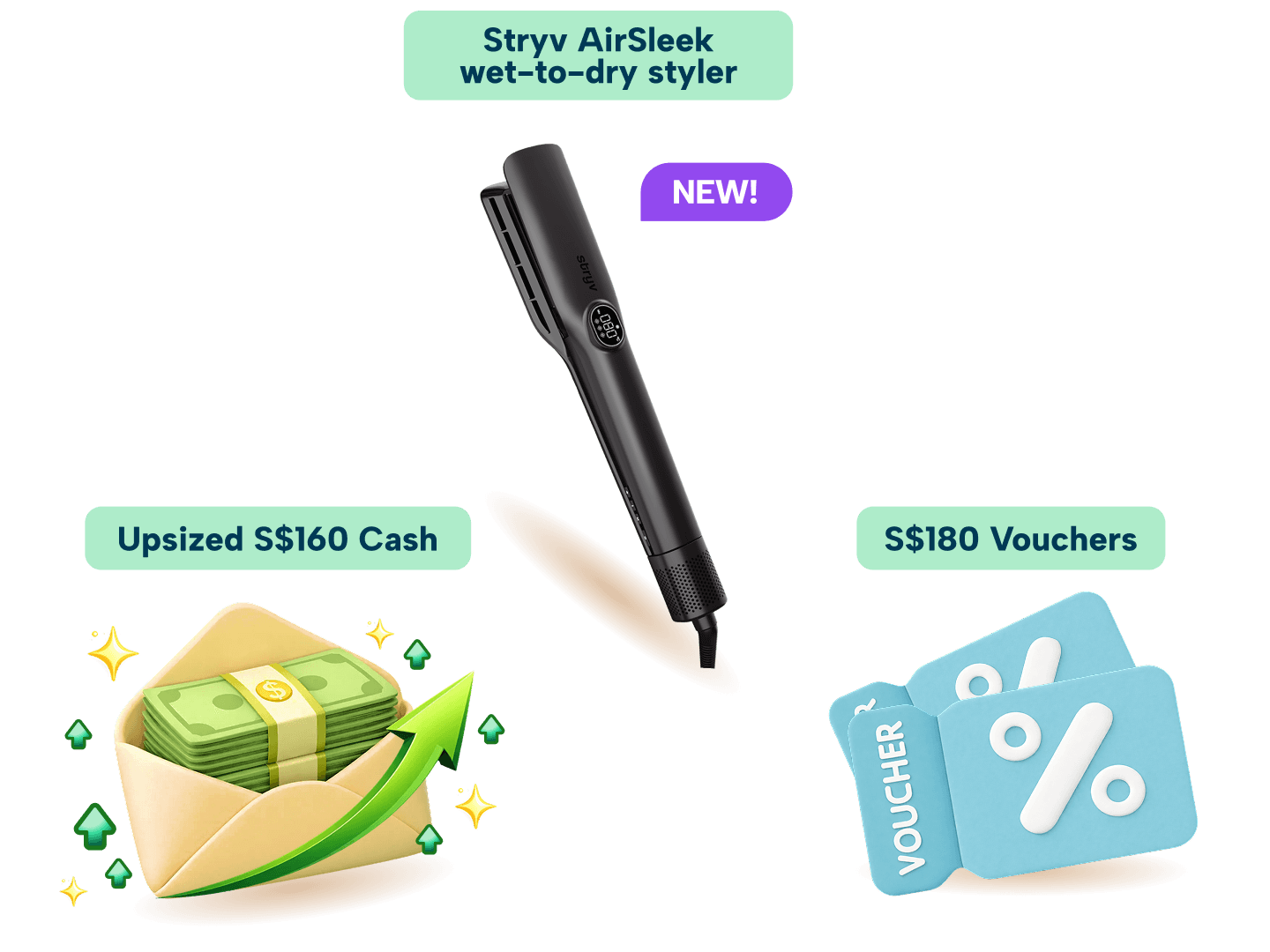
Open a Tiger Brokers account, fund a minimum amount of S$3,00 and make one trade within the promotional period to receive an upsized S$160 Cash, upsized S$180 eCapitaVoucher, or a Stryv Airsleek (worth S$199). Use promo code SSTIGER. Offer is stackable with Tiger Brokers' welcome offer. Valid till 1 November 2026. T&Cs apply.
How to buy gold in Singapore from UOB
UOB makes it easy for you to shop for different types of gold products online or in person.
Gold savings account in Singapore
The UOB Gold Savings Account lets you buy and sell gold conveniently with the option of converting your holdings into physical gold. Here are the steps to follow:
-
Open your Gold Savings Account at a UOB branch
-
Buy gold conveniently through UOB Personal Internet Banking (click on ‘Investments’ then ‘Gold and Silver’) or UOB TMRW app (click on ‘Services’ then ‘Buy Gold/Silver’)
-
Available from Mondays to Fridays, 8am to 11pm, excluding Singapore public holidays
Gold bars and gold bullion coins
Wondering how to buy gold bars and bullion coins in Singapore? Existing UOB Personal Internet Banking users can buy gold bars and gold bullion coins online at their convenience. Do collect the gold piece(s) in person at UOB Main Branch within five working days from 9.30am to 4.30 pm to avoid late collection charges.
You don’t need to have a UOB account to buy gold bars and gold bullion coins. You can purchase these gold items at the UOB Main Branch from 9.30am to 4.30 pm, Mondays to Fridays, excluding public holidays.
Gold certificates
You can purchase gold certificates at the Gold Counter of UOB Main Branch from 9.30am to 4.30 pm, Mondays to Fridays, excluding public holidays.
In case you’re wondering, the gold certificates are sold in multiples of one kilobar of 999.9 fineness. Each gold certificate is subject to a maximum of 30 kilograms.
UOB fees and charges
|
Type of gold investment |
Fees and charges |
|
Gold Savings Account |
- Service charge: 0.25% p.a. of the highest gold balance each month, subject to a monthly min charge of 0.12 grams of gold - Early account closure fee: S$30 (subject to GST) if you close the account within six months from account opening date |
|
Gold bars |
- Late collection charge: S$5 per kg per day; S$2 per piece per day for small gold bars - Note: Gold bars must be collected in person at UOB Main Branch within 5 working days of online order placement |
|
Gold bullion coins |
- Late collection charge: S$2 per piece per day - Note: Gold bullion coins must be collected in person at UOB Main Branch within 5 working days of online order placement |
|
Gold certificates |
- Flat S$5 certificate fee - Service charge: S$72 per kilobar per annum - Note: Certificate fee and service charge are subject to GST |
How to use UOB’s gold price chart
UOB lists its gold and silver prices in SGD on its website to make things easy for customers and investors. You can also access the gold and silver price chart via UOB Personal Internet Banking or the UOB TMRW app anytime, anywhere.
While the gold and silver price chart is updated daily, take note that the gold and silver prices shown are subject to change without prior notice and may be different at the time of actual transaction.
Source: UOB
The UOB gold price chart is useful when you want a quick glance at the prices to decide if you would like to trade.
For instance, the minimum quantity per transaction with a Gold Savings Account is five grams of gold. UOB’s gold price chart gives you an indicative price at which the bank is buying or selling one gram of gold that day.
If you’ve struck the lottery or gotten a fat bonus and are interested in getting some gold bars, UOB’s gold price chart shows you how much these gold bars may cost on that day, and there are plenty to choose from.
Earn higher interest rates on your savings with the Citi Interest Booster Account when you sign up for a Citi Plus Account, to fund your next high-tea treat!
Methodology
To shortlist gold brokers and investment platforms featured on SingSaver, we focused on relevance, accessibility, and practicality for investors in Singapore.
1) Availability in Singapore
We included platforms that are:
-
Open to Singapore residents
-
Commonly used by local investors
-
Able to support SGD funding or easy access from Singapore
2) Access to gold-related investments
We prioritised platforms that allow investors to gain exposure to gold through commonly available products, such as:
-
Gold ETFs
-
Gold-related stocks
-
Gold CFDs or futures, where applicable
This ensures readers have multiple ways to invest in gold depending on their preferences and risk tolerance.
3) Fees and minimum requirements
We reviewed publicly available information on:
-
Trading fees and commissions
-
Minimum deposit requirements: This helps readers understand the basic costs involved before opening an account.
4) Platform features and usability
Platforms were selected based on whether they:
-
Offer a functional and user-friendly trading interface
-
Provide access to major global markets where gold products are listed
-
Are suitable for both new and experienced investors
5) Regulatory standing
Where relevant, we considered whether the platform operates under recognised regulatory frameworks, such as being licensed or authorised to offer investment services in Singapore.
6) Promotions and offers
Any promotions shown are presented for informational purposes only and do not affect how platforms are selected or ranked.
Our goal is to highlight gold investment platforms that are commonly used, accessible, and relevant to investors in Singapore, so readers can compare their options and decide what works best for their own investment needs.
-
Frequently asked questions about gold investment in Singapore
Gold prices are influenced by a mix of global factors, including economic conditions, interest rates, and geopolitical events. Gold often acts as a safe haven, with prices rising during times of crisis. Its value can also move inversely to the US dollar and other assets like stocks and bonds. Supply and demand also play a role, with prices influenced by consumer demand and central bank reserves.
The best way to buy gold in Singapore depends on your individual investment goals and preferences. If you're looking for a long-term investment and a hedge against inflation, physical gold or gold ETFs might be suitable. If you prefer liquidity and the potential for higher returns, consider gold stocks. For experienced investors seeking short-term trading opportunities, gold futures could be an option.
Gold is often seen as a safe-haven asset that can help diversify a portfolio. Compared to stocks and bonds, gold may offer lower returns but can hold its value during market downturns. Real estate can provide steady income and potential appreciation but is less liquid than gold. Ultimately, the best investment choice depends on your individual circumstances and risk tolerance.
Investment-grade gold (with at least 99.5% purity) is generally not taxable in Singapore. However, related services like storage or account management may incur GST. Always check specific products or services for potential tax implications.
About the author
The information on this page is for educational and informational purposes only and should not be considered financial or investment advice. While we review and compare financial products to help you find the best options, we do not provide personalised recommendations or investment advisory services. Always do your own research or consult a licensed financial professional before making any financial decisions.