The Ultimate Vending Machine Business Start Guide Singapore (2026)
Updated: 22 Apr 2026

Written bySingSaver Team
Team
the vending machine landscape in Singapore has evolved from a simple snack-and-drink model into a high-tech, sustainable, and data-driven industry. With the official rollout of the Beverage Container Return Scheme (BCRS) and a stabilization of interest rates, now is an opportune time to explore this passive income stream.
This vending machine business guide will walk you through the updated costs, regulations, and strategic steps for how to start a vending machine business in Singapore.
Best business credit cards in Singapore (2026)
Want to save some money while setting up your vending machine business?
These big-ticket purchases are definitely investment pieces, since they mostly cost at least S$1,000 and above. To help cushion the cost a little, here are some credit card recommendations to earn rebates with:
For maximum cashback
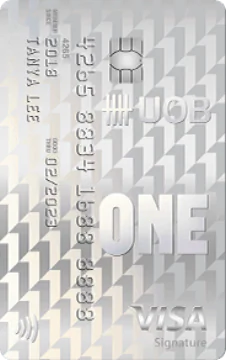
- Up to 20% cashback on daily spend at McDonald's, Grab, SimplyGo (bus/train rides) and Shopee.
- Up to 18% cashback on all grocery spend.
- Up to 4.33% on SP utilities bill.
- Up to 3.33% cashback on all retail spend.
- Petrol savings of up to 22.66% at Shell and SPC.
- Greater savings with up to 3.4% p.a. interest with UOB One Account+.
- Supermarket rebate
- Grab/taxi rebate
- Spend at least $600 monthly based on your qualifying quarter to enjoy up to 10% cashback.
- Awarding of cash rebate only comes every quarter.
- Qualifying monthly spend for cash rebate has to be spread out across min. 10 different purchases.
- Terms and conditions apply for all above-mentioned privileges. Visit here for more details. Insured up to S$100,000 by SDIC.
- Monthly spend required
- Rebate cap applied
Product details
-
Earn up to 10% cashback quarterly with a minimum spending of S$2,000 per month (requires at least 10 transactions per month).
-
Earn up to 5% cashback quarterly with a minimum spending of S$600 per month (formerly S$500; also requires 10 transactions per month).
-
3.33% base cashback rate applies when you hit your minimum spend tier (S$600, S$1,000, or S$2,000) for all general retail transactions.
-
Up to 21.15% savings on fuel at Shell (inclusive of Shell GO+ and instant card discounts).
-
Up to 24% off petrol purchases at SPC (for SPC&U members using the UOB One Card).
-
Automatic fee waiver for the first year (S$196.20 annual fee applies thereafter).
-
First supplementary card remains free.
-
Complimentary Travel Insurance: Now requires an electronic opt-in before travel. Coverage includes up to S$500,000 for public conveyance accidents and up to S$50,000 for emergency medical evacuation/repatriation (including COVID-19 coverage).
SingSaver’s take
If you are intending to make a big-ticket purchase such as a vending machine, the UOB One Card remains a top-tier choice, but note that the entry-level tier now requires a S$600 monthly spend (up from S$500).
While the base cashback of 3.33% is solid for the machine purchase itself, you can maximize your returns on the inventory you buy to stock your machines. By sourcing your stock through Shopee, Cold Storage, CS Fresh, or Giant, you can unlock the bonus 5% to 6.67% cashback (depending on your tier), bringing your total rebate on those specific "Selected Partner" purchases to as high as 10%. Just remember that you must hit a minimum of 10 transactions each month to qualify for the quarterly rebate.
For unlimited cashback with no minimum spend
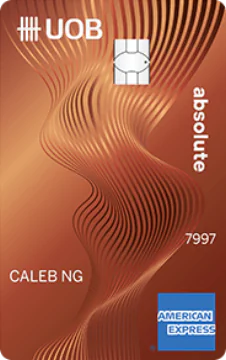
- 1.7% cashback on your purchases including travel, home furnishings, weddings, luxury purchases and more.
- 0.3% cashback on transactions which are commonly excluded from earning rewards such as charity, education, healthcare, professional services, utilities and Grab mobile wallet top-ups.
- For a limited time only, earn up to 2% cashback on contactless spend locally & overseas till 31 Jan 2027.
- No minimum spend.
- No cashback cap.
- Cashback earned in current statement period is automatically used to offset the following month's bill.
- No rebate cap
- No monthly spend required
- Insurance rebate
- Local spending rebate
- Mobile contactless payment methods not supported.
Product details
-
Earn 1.7% unlimited cashback on all qualifying purchases.
-
Earn 0.3% cashback on local purchases that are typically excluded by other cards, including insurance premiums, school fees, medical services (hospitals), and utilities.
-
Note: Rental payments and e-wallet top-ups (like GrabPay) also fall under this 0.3% tier.
-
-
No minimum spend required and no cap on the cashback you can earn.
-
Card Scheme: This is an American Express (Amex) card, which is widely accepted but occasionally faces limitations at smaller merchant stalls (check for the Amex logo).
-
Sign-up Perk: For April 2026, SingSaver is running a Flash Deal for new-to-bank applicants (e.g., Apple iPhone 17 or S$500 cash) with a minimum spend of S$500 within the first 30 days.
-
Annual Fee: S$196.20 (inclusive of GST), with a first-year automatic fee waiver.
SingSaver’s take
The UOB Absolute Cashback Card is the perfect choice for earning unlimited cashback without the mental load of tracking monthly spending or transaction counts.
As a vending machine owner, your expenses might be unpredictable—one month you’re buying a new high-tech machine (a big-ticket purchase), and the next you're only paying for small inventory restocks. This card ensures you get a flat 1.7% back on everything from the machine itself to your warehouse rental (0.3%). It’s the "set and forget" card that protects your margins without forcing you to spend money just to hit a bank's "minimum requirement."
For contactless payments
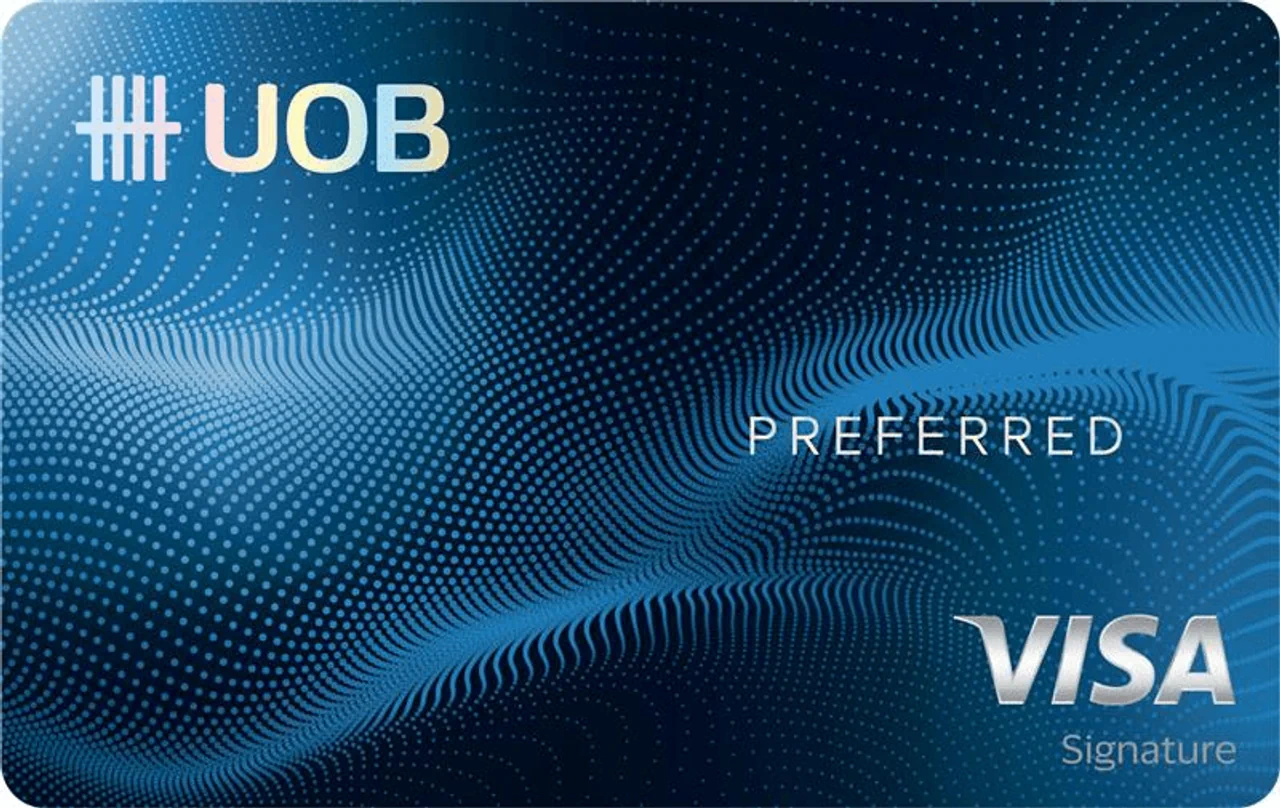
UOB Preferred Visa Card
- 4 miles per S$1 spend on mobile contactless transactions, and selected online shopping and entertainment spend.
- No minimum spend
- Online shopping bonus reward
- Mobile contactless bonus reward
- Installment
- 2-year points validity
- 0.4 miles per dollar on all other eligible spend
- Bonus reward cap applied
Product details
-
Earn up to UNI$10 per S$5 spend (4 mpd) on mobile contactless spend and selected online shopping/entertainment.
-
New Bonus Cap Structure: From October 2025, the bonus cap is split into two separate S$600 sub-caps (total S$1,200 spend).
-
Category 1: Mobile Contactless Transactions (capped at S$600 spend/month).
-
Category 2: Selected Online Transactions (capped at S$600 spend/month).
-
-
UOB$ Programme: Earn instant cash rebates at participating merchants. Note that transactions at UOB$ merchants do not earn UNI$ rewards.
-
No minimum spend required to start earning the 4 mpd rate.
-
SimplyGo Ready: Use your card for bus and MRT rides, though note that SimplyGo transactions generally earn the base rate of 0.4 mpd unless made via mobile wallet (Apple Pay/Google Pay) at retail terminals.
-
New Benefit (Launched March 2026): Complimentary Travel Insurance including S$500,000 public conveyance accident coverage and S$50,000 emergency medical assistance (requires online opt-in and charging travel fares to the card).
-
Cold Storage Promotion: The legacy "S$7 off S$80 on Fridays" has been discontinued. Users are now encouraged to use the DBS yuu Card for Cold Storage (up to 10 mpd) or use the UOB Preferred Visa for a flat 4 mpd via mobile contactless (within the S$600 cap).
SingSaver’s take
The UOB Preferred Visa Card (formerly Preferred Platinum) remains the "king of convenience" for miles chasers, but the 2025 sub-cap update means you need to be more strategic. You can no longer dump S$1,100 of spend into just mobile payments; you must split your spend between online and in-store mobile taps to maximize your 4 mpd.
For a vending machine owner, this card is excellent for daily operational smaller expenses (like restock runs at the supermarket or hardware store) using Apple/Google Pay. However, for a one-time big-ticket machine purchase over S$600, you'll want to use a card with a higher cap, like the **UOB Visa Signature** or the **UOB Absolute**, to avoid falling back to the measly 0.4 mpd rate once you hit that S$600 sub-limit.
For customisation of rewards
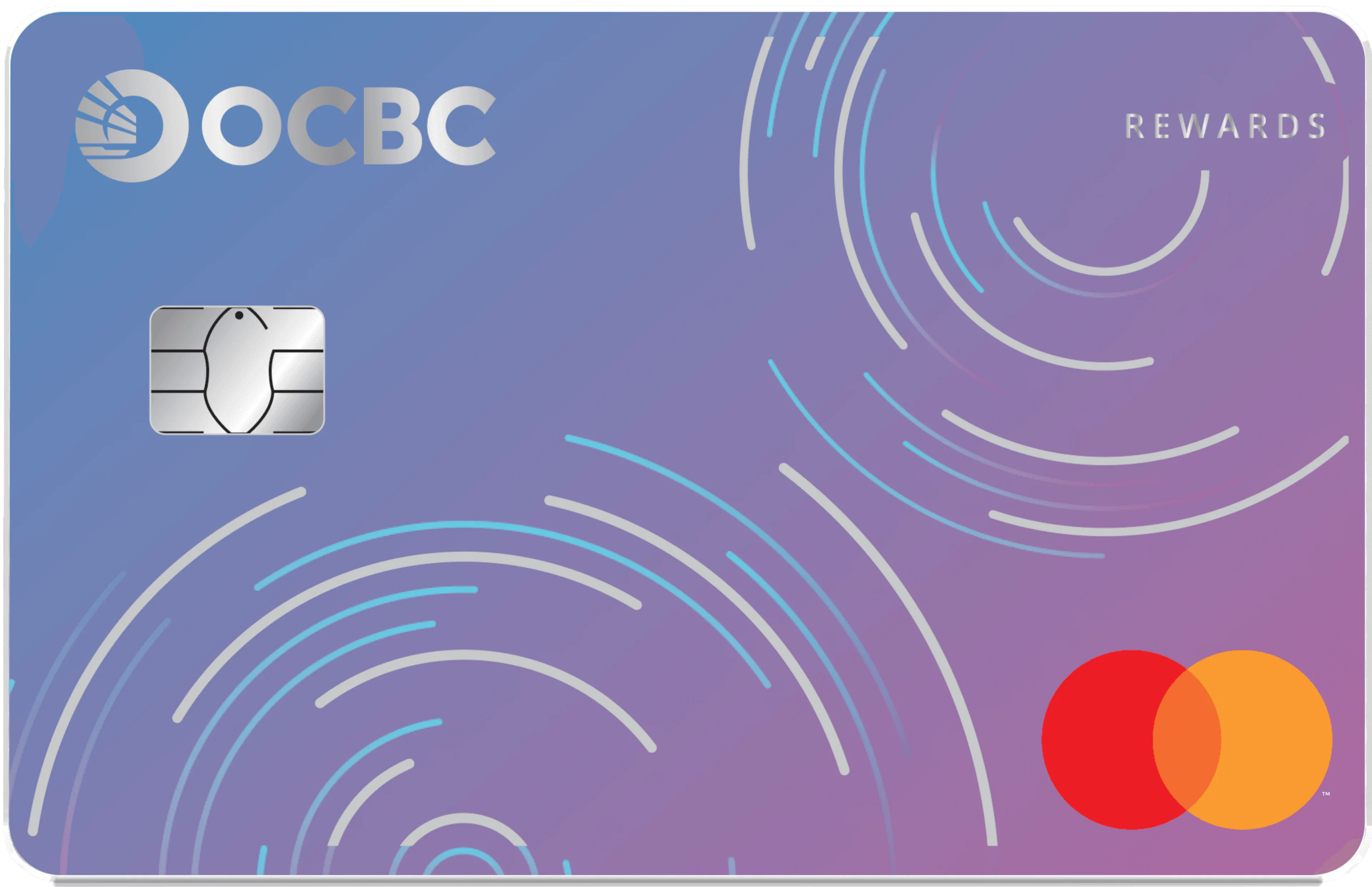
- Earn 15 OCBC$ (equivalent to 6 miles) per S$1 spent at Watsons and online shopping platforms (Lazada, Shopee, Taobao and TikTok Shop).
- Earn 1X OCBC$ (or 0.4 miles) on all other spends, including public transport rides.
- Enjoy complimentary e-commerce protection on all your online purchases made with this card.
- Get fast approval and use your digital card instantly when you apply via MyInfo.
- Read our full review of the OCBC Rewards Card.
- Retail rebate
- Online shopping rebate
- Gift: Apple product
- No monthly spend required
- 15 OCBC$ per S$1 earn rate is capped at 10,000 bonus OCBC$ cap per month.
- OCBC$ awarded in blocks of S$5 charged per transaction.
Product details
-
Earn 15 OCBC$ (6 mpd) at Selected Online Retailers: Under the current promotion (valid until 30 June 2026), you earn an accelerated 6 mpd on Lazada, Shopee, Taobao, TikTok Shop, and Watsons.
-
Earn 10 OCBC$ (4 mpd) on Shopping & Electronics: This rate applies to eligible retail categories, including departmental stores, clothing, shoes, and electronics (MCC 5045, 5732).
-
2% Cash Rebate at BEST Denki (Discontinued): As of 1 July 2025, the additional 2% cash rebate at BEST Denki has been removed. You still earn the base 10 OCBC$ (4 mpd) there, but the extra rebate no longer applies.
-
Capped Bonus: The 10X bonus is capped at 120,000 OCBC$ per card anniversary year. However, specific 15X promotions often have a separate monthly sub-cap (currently 5,000 extra OCBC$ per month).
-
Flexible Redemptions: OCBC$ can be converted to miles (9 partner airlines/hotels), cash rebates, or vouchers.
-
Two-Year Fee Waiver: The card comes with a 2-year initial fee waiver (unusual, as most are only 1 year).
-
Annual Fee Waiver (Subsequent): Automatically waived with a minimum spend of S$10,000 annually.
SingSaver’s take
For a vending machine business in Singapore, the OCBC Rewards Card is specifically powerful for equipment procurement. Since "Computers and Electronics" are included in the 10X (4 mpd) bonus category, buying smart vending components or hardware can net you significant rewards.
However, take note of the S$5 earning blocks: OCBC rounds down your transaction to the nearest S$5 before calculating points. If your restock order is S$49.90, you only earn points on S$45. To maximize your 4 mpd or 6 mpd, always try to ensure your business purchases are in multiples of five.
Vending machine business startup costs in Singapore
Cost of starting a vending machine business in Singapore
The initial capital required for a vending machine business in Singapore has shifted due to higher technology requirements and inflation in logistics.
| Expense Item | Estimated Cost (2026) |
| Machine Purchase | $5,500 – $12,000 (New) / $2,000 – $4,500 (Refurbished) |
| Monthly Rental (Space) | $300 – $1,200 (Depends on footfall/location) |
| Licensing (SFA) | $195 per machine (Annual) |
| Business Registration (ACRA) | $315 – $350 |
| Initial Inventory | $500 – $1,500 |
| Electricity & Tech Fees | $50 – $150 per month |
| Insurance (Public Liability) | $500 – $1,000 (Annual) |
Note: Smart machines with AI inventory tracking and digital screens sit at the higher end of the price spectrum but offer better long-term ROI.
Types of vending machines you can consider
To remain relevant in 2026, your vending machine business in Singapore should align with current consumer habits:
-
Smart Beverage & Snack Machines: Must now accommodate the 10-cent deposit mark for the BCRS.
-
Specialty Food (Hot Meals): Machines that dispense ready-to-eat meals like pasta or bento. These require strict SFA temperature monitoring.
-
Niche Retail: Machines selling items like tech accessories, rapid health test kits, or eco-friendly personal care products.
-
Reverse Vending Machines (RVMs): With the 2026 recycling mandates, partnering with malls to provide RVMs for bottle returns is a growing sub-sector.
Step 1: Register your business in Singapore
| Item | Cost (2026 Estimates) |
| Self-registration (BizFile+) | S$315 (Name: S$15 + Entity: S$300) |
| Agency Incorporation Packages | S$600 to S$1,500 |
| Vending Machine License (SFA) | S$195 per machine / year |
The first step is to register your business and obtain the necessary license. Self-registration via ACRA’s BizFile+ portal is the most cost-effective path. As of 2026, government registration fees have been adjusted to S$315 for a private limited company.
If you require a virtual address to keep your home address private, or prefer a professional to handle the statutory requirements (like appointing a Company Secretary), you can opt for an incorporation package. In 2026, these typically range from S$600 to S$1,500, depending on the level of compliance support and digital tools provided.
Once registered, you must determine if you require a Food Vending Machine License from the Singapore Food Agency (SFA). This depends entirely on your product type:
| You require a license for: | You do NOT require a license for: |
| Cooked meals or "Ready-to-Eat" (RTE) bento boxes | Packaged snacks (chips, biscuits, chocolate) |
| In-machine food prep (e.g., orange juicing, bean-to-cup coffee, popcorn) | Canned, bottled, or tetra-pack drinks |
| Ice cream or frozen yogurt machines | Packaged bread (stored at room temperature) |
| Cut fruits, salads, or chilled milk/yogurt | Dry, powdered ingredient dispensers |
| Packaged raw meat or seafood | Non-food retail (tech, masks, phone cases) |
Source: Singapore Food Agency (SFA)
If your products fall in the left-hand column, you’ll need to apply for the license at S$195 per machine annually. In 2026, SFA requires these machines to have automated "shut-down" sensors that trigger if internal temperatures deviate from safety standards.
Step 2: Source and stock your machine and products
In 2026, the market has bifurcated between "Legacy" machines and "Smart" AI-integrated machines. Prices have risen slightly due to global hardware costs and the mandatory integration of digital payment systems.
| Type of Vending Machine | Purchase Price (2026) | Monthly Lease |
| Drinks (Standard) | From S$5,500 | S$300 – S$450 |
| Packaged Snacks (Combo) | S$6,800 onwards | S$400 – S$550 |
| Hot Food / Specialty | S$10,000 – S$15,000 | S$600 – S$900 |
| Smart/AI Retail Machine | S$8,000 onwards | S$550 – S$750 |
New vs. Refurbished: While new machines offer the best reliability and 5G connectivity, refurbished models can be found on marketplaces like Carousell for S$2,000 to S$4,000. However, ensure they are compatible with SGQR and the 2026 Beverage Container Return Scheme (BCRS), which requires machines to handle a S$0.10 deposit.
| Product Type | Wholesale Price (2026) |
| Canned Drinks | S$13 to S$18 per 24-can carton |
| Ice Cream | S$2.50 to S$7.00 per serving |
| Hot Food (Bento/Pasta) | S$4.50 to S$8.00 per portion |
| Premium Tech Accessories | S$5.00 to S$15.00 (wholesale) |
With the 9% GST fully in effect and rising logistics costs, sourcing directly from local distributors like Ice Cool or WholesaleExpress is essential to maintain a healthy margin. For specialty items like hot food, most operators in 2026 use Central Kitchens to ensure SFA-compliant hygiene standards and consistency.
Stage 3: Launch and run your business
Operating a vending machine business in Singapore requires a focus on "Smart Logistics." With high labor costs, 2026 operators rely on IoT dashboards to restock only when needed.
| Item | Estimated Cost (2026) |
| Machine Maintenance | S$120 – S$180 per session |
| Location Rental | S$250 – S$1,500 per month |
| Restocking (Labour + Transport) | S$50 – S$80 per trip |
| Commercial Insurance | S$350 – S$600 per year |
| Electricity (Commercial Rate) | S$40 – S$120 per month |
Strategic Location Rental: In 2026, some locations (like private condos or offices) offer "Profit Sharing" (e.g., 10-15% of sales) instead of a fixed rent. This is a great way to reduce your fixed overheads.
Insurance: Don't skip this. A basic "Business Owners Policy" (like those from Etiqa or Income) now costs roughly S$350 to S$600 annually and covers public liability (essential if someone gets food poisoning) and machine vandalism.
Marketing: Modern vending machines are "Experience Hubs." Use the machine's digital screen to run ads for other businesses to create an additional revenue stream, or use QR-code-based loyalty programs to keep customers coming back to your vending machine business in Singapore.
Is a vending machine business profitable in Singapore?
On the surface, vending machines seem like a pretty simple and straightforward way to make money. But the reality is, like any business, success and profitability depend on a few factors.
Popularity of product(s)
Popular items may enjoy high market demand, but once the fad fades away, so will your earnings. Hence, you have a limited time to sell enough units in order to recoup your capital and turn a profit.
If you choose to go with proven staples, such as face masks, hand sanitisers, mobile accessories, canned drinks or packaged snacks, you are likely to face high competition from owners of other vending machines selling the same things – and maybe even from other nearby shops too.
Number of vending machines
Let’s say you run a vending machine selling ice cream in a neighbourhood mall, which receives a steady stream of business. However, the turnover from one machine is simply too low to cover your overheads, much less earn you a profit.
In that case, you’ll need to invest in more machines in order to increase your revenue. However, that means raising extra capital to do so.
In April 2026, the vending machine landscape in Singapore has evolved from a simple snack-and-drink model into a high-tech, sustainable, and data-driven industry. With the official rollout of the Beverage Container Return Scheme (BCRS) and a stabilization of interest rates, now is an opportune time to explore this passive income stream.
Where should you place your vending machines?
Location remains the "holy grail" of success. However, high footfall no longer guarantees high profit if the "dwell time" is low.
-
Hospitals and 24-hour Gyms: High demand for healthy snacks and protein shakes during off-peak hours.
-
Co-working Spaces and Tech Parks: Office workers in 2026 prefer premium coffee and artisanal snacks without leaving the building.
-
Student Hostels & Tertiary Institutions: Consistent demand for quick, affordable meals.
-
Reverse Vending Points: Placements near supermarket entrances are now highly coveted due to the BCRS rollout.
What are the licenses and regulations required?
Operating a vending machine business in Singapore requires compliance with several government bodies:
-
ACRA Registration: You must register your business entity. A "Private Limited" structure is often preferred for better liability protection.
-
SFA License: If you sell food/drinks, you need a Food Vending Machine License ($195/year). Machines with "in-machine preparation" (e.g., freshly squeezed juice) require operators to pass a Food Safety Course Level 1.
-
BCRS Compliance: As of 1 April 2026, any machine selling plastic bottles or metal cans (150ml to 3L) must charge a $0.10 deposit per container. You must ensure your machine's software can handle this price adjustment.
-
Safety Mark: All machines must carry the Enterprise Singapore Safety Mark for electrical components.
How to fund your vending machine business
With the current financial climate in April 2026, interest rates have stabilized. Personal loans are currently a popular way to fund the initial purchase of 2–3 machines.
-
Personal Loans: Top Singapore banks are currently offering promotional rates from 1.00% p.a. (EIR ~1.94% - 2.34% p.a.). This is significantly lower than the 2023-2024 peak, reducing the cost of borrowing for new entrepreneurs.
-
Business Term Loans: For those looking to scale to 5+ machines, SME loans are available, though they require at least 6 months to a year of operation history.
About the author
SingSaver Team
At SingSaver, we make personal finance accessible with easy to understand personal finance reads, tools and money hacks that simplify all of life’s financial decisions for you.