How to Build Credit Score in Singapore
Updated: 19 Oct 2026
Disclaimer: The information on this page is for general educational and informational purposes only and should not be considered financial or investment advice.
The short answer
To build a good credit score in Singapore, pay every credit bill on time and in full, keep your card usage low, avoid applying for lots of credit at once, and check your Credit Bureau Singapore (CBS) report before any big loan application.
When you apply for a credit card or loan, banks check your credit report to decide whether to approve you and how much to lend. A weak score usually means a smaller loan or an outright rejection, though some lenders may also quote you a higher rate.
That’s why it’s important to keep your credit score healthy. The weaker it is, the less you can borrow for a car, home, education or business. Some employers, particularly in finance, may also check your credit as part of hiring.
Building good credit isn’t as daunting as it seems. Here are the proven ways to do it, with or without a credit card.
Which credit-building approach fits you?
Before you apply for new credit
Check your CBS credit report first
S$8.72 online with Singpass, or free within 30 days of a credit application result.
Confirm you meet the income requirement
Most unsecured cards need S$30,000 a year; secured cards use a fixed deposit instead.
Space out your credit applications
Several applications in one month can make lenders see you as credit hungry.
Make sure repayments get reported
Bank cards and loans report to credit bureaus; bills like utilities and phone plans do not.
Plan to pay your statement in full
Carrying a balance adds interest and raises your utilisation, which can weigh on your score.
Credit-building methods at a glance
| Method | Reported to credit bureau? | Best for | Watch out for |
| Credit card paid in full | Yes | Earners meeting card income rules | Overspending, late fees |
| Secured credit card | Yes | No history or lower income | Deposit locked while card is open |
| Bank instalment loan | Yes | A genuine, planned borrowing need | Interest and processing fees |
| Secured loan against a fixed deposit | Yes | Thin credit file | Losing collateral if you default |
| Paying bills on time | No | Everyone | Doesn’t move your CBS grade directly |
How to build credit with a credit card
Using a credit card responsibly is one of the most effective ways to build credit in Singapore. Make purchases you can afford, pay your balance in full each month, and you’ll establish a consistent history of on-time payments, which lenders value highly.
Use credit cards with care, though. Overspending or missing payments can lead to debt and damage your credit score. Keep your credit utilisation low and always pay at least the minimum amount by the payment due date.
Try a secured credit card
If you’re new to credit or have a less-than-ideal history, a secured credit card can help. These cards require a cash deposit, usually a fixed deposit, which acts as collateral and typically sets your credit limit. Your repayments are still recorded on your credit file, so using the card well builds your history. Check that the issuer reports to Credit Bureau Singapore (CBS) or Experian Credit Bureau Singapore, the two credit bureaus licensed by the Monetary Authority of Singapore (MAS).
>> Learn more about secured credit cards in Singapore.

Find the right credit card for you in no time. 💳✨
Compare exclusive offers on SingSaver across cashback, miles, and rewards cards—plus enjoy stackable welcome gifts.

Upgrade to a premium Apple device for less! 🍎
Turn your reward into a sleek Apple tablet, headphones or laptop with a top-up starting from just S$130. Apply for select credit cards and take your pick. T&Cs apply.
How to build credit without a credit card
While credit cards are a common tool for building credit, there are other options.
Take a small bank instalment loan
With a personal instalment loan, you borrow a fixed amount and repay it in monthly instalments over a set period. Banks report your loan and repayment activity to the credit bureaus, so consistent, on-time repayments build a positive credit history. Only borrow what you need and can comfortably repay. Compare interest rates and processing fees first, because the effective interest rate (EIR) is usually higher than the advertised rate.
Apply with a guarantor or joint applicant
For some loans, especially home and car loans, banks may accept a guarantor or joint applicant with a stronger credit record. This can improve your chances of approval or help you qualify for a larger loan.
Remember that a guarantor or joint borrower is legally responsible for the debt if you can’t pay, and missed payments can hurt both of your credit records. Have an open conversation about the risks before asking anyone to take this on.
Consider a secured loan
A secured loan is backed by collateral, such as a fixed deposit. This lowers the lender’s risk, so it can be easier to get approved even with a limited credit history. Your on-time repayments are reported to the credit bureau and build your credit over time.
Important note: Secured loans typically have lower interest rates than unsecured loans, but you can lose your collateral if you default.
>> Read more: Best Loans for Bad Credit in Singapore
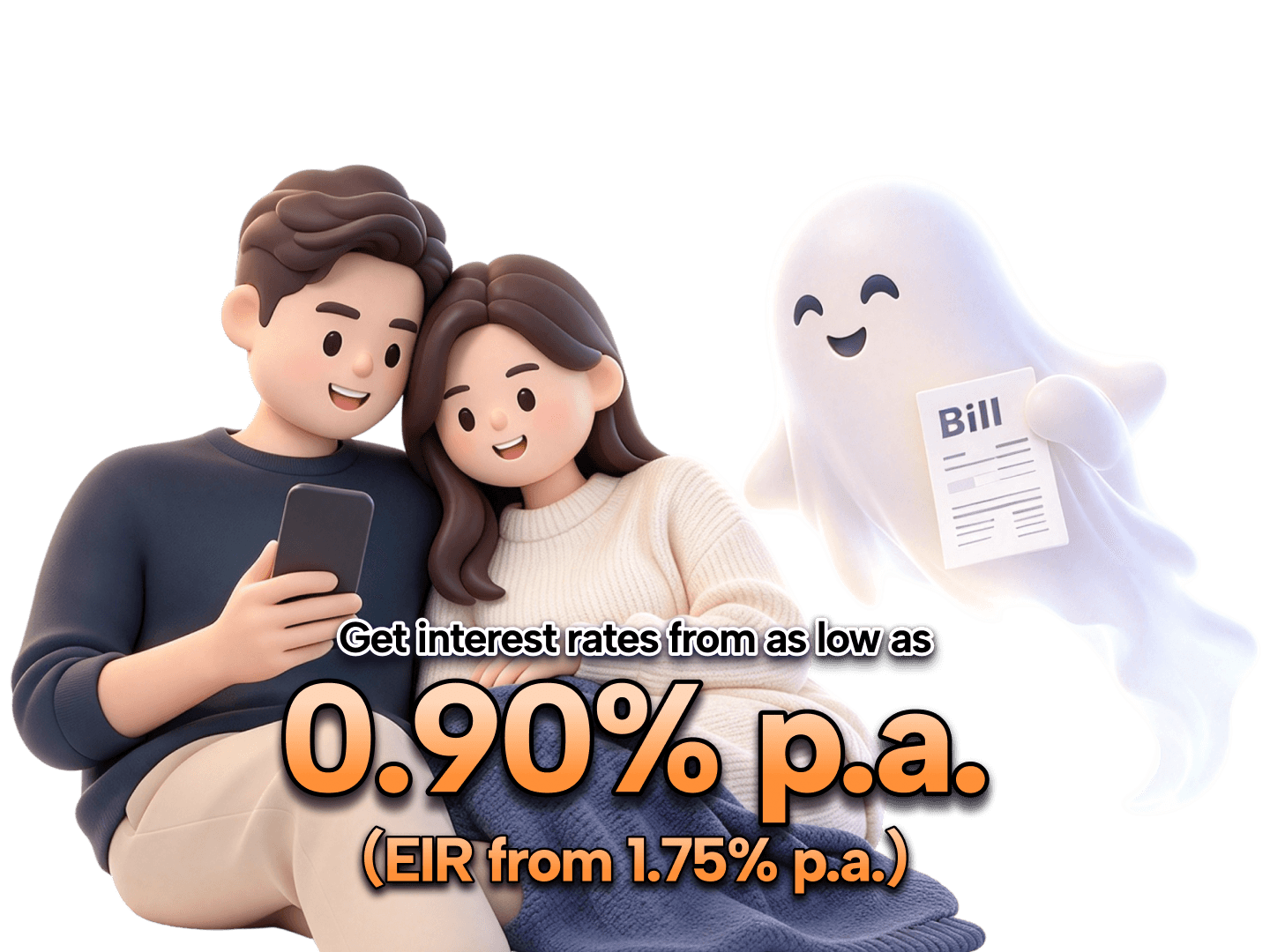
SingSaver Personal Loan Cashback Offer
Enjoy one of the lowest interest rates from 0.90% p.a. (EIR from 1.75% p.a.) and up to S$6,900 in cashback when you apply for a personal loan via SingSaver. Valid till 1 November 2026. T&Cs apply.
Build good habits with recurring bills
Bills such as electricity, water, phone plans and subscriptions aren’t reported to CBS, so paying them on time won’t raise your credit grade directly. They still matter. Unpaid bills can go to collections or lead to legal action, and a habit of paying everything on time carries over to your credit card and loan repayments. Setting up GIRO for recurring bills is an easy way to make sure nothing slips.
>> Read more: Best Credit Cards for Paying Utility Bills
Practise good credit habits
Always repay on time
Late payments are recorded on your credit report, and this happens whether or not the bank waives the late payment fee.
For credit cards, always pay at least the minimum amount by the payment due date. SingSaver recommends paying your bill in full every month to avoid interest charges.
For loans such as mortgages or personal instalment loans, tell your bank early if you think you may miss a payment, or speak to Credit Counselling Singapore. The bank may agree to restructure your debt, which does less damage to your credit record than missed payments.
Avoid multiple credit applications in quick succession
Making four or five loan or card applications within a short span, such as a single month, can flag you as “credit hungry”. Lenders often read this as a sign of financial difficulty.
Spread out your applications. If you’re looking for a cheaper loan, use the comparison tools on SingSaver to compare rates first, then apply only for the one you want.
Limit your number of open credit facilities
In general, avoid having more than four or five credit facilities, such as credit cards, personal lines of credit and personal loans. Holding six or seven makes it easy to lose track of billing cycles and miss payments.
Close credit cards you no longer use, which also saves you the annual fee. There’s rarely a reason to hold more than one personal line of credit. If you find one with a lower interest rate, switch and close the old one.
Never default on a loan
A default stays on your credit report for years, even after it’s settled, and can make it very hard to get a credit card, credit line or home loan. If you can’t keep up with repayments, seek credit counselling and ask about restructuring your debt. It may lower your credit grade, but it’s far better than a default.
Lenders can also take legal action to recover a defaulted debt.
Repair damaged credit by settling small debts
If your credit grade is low, start by paying off small or short-term debts, such as balances of S$1,000 or less, in full. Once the bureau sees a run of on-time, full repayments, your grade can gradually recover.
If your grade is well below AA, start doing this a year or two before applying for a major loan such as a home loan. That gives your improved record time to show on your report.
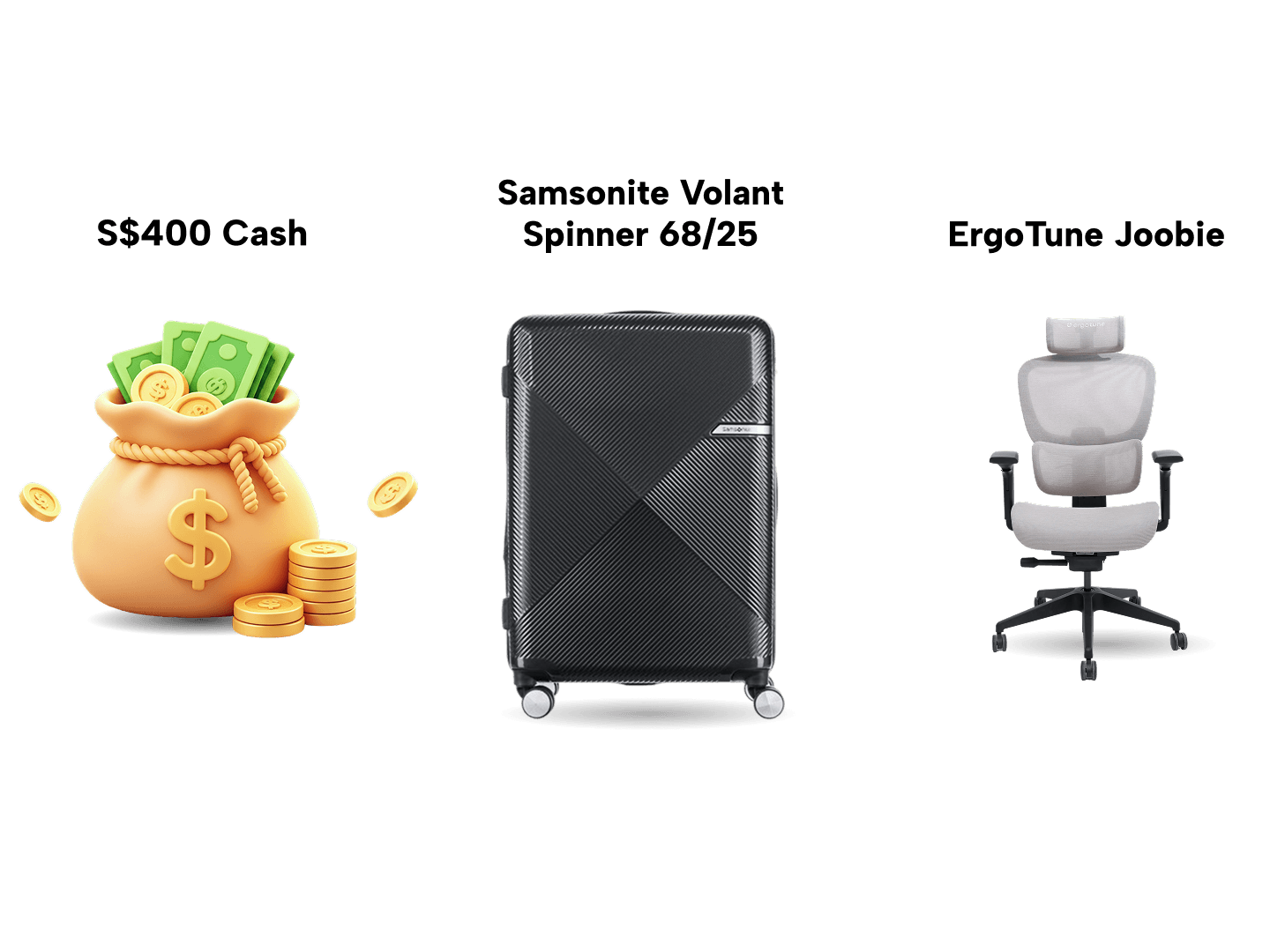
SingSaver x UOB One Credit Card Flash Deal ⚡
Get S$400 Cash, a Samsonite VOLANT Spinner, or an Ergotune Joobie when you are one of the first 5 eligible applicants at 10pm daily to sucessfully apply for selected UOB credit cards and make a min. spend of S$500 within the first 30 days of card approval. Remaining applicants will get S$80 Cash via PayNow. Promotion is valid for new-to-UOB credit cardmembers only. Valid till 31 October 2026. T&Cs apply.
Check your credit scores and reports
Regularly checking your credit report and score helps you track your progress.
Credit reports
Your credit report shows your credit history in detail, including your payment record, outstanding debts and recent credit enquiries. Checking it regularly lets you spot and dispute errors that could be dragging your score down.
How to get your credit report
Singapore has two MAS-licensed credit bureaus: Credit Bureau Singapore (CBS) and Experian Credit Bureau Singapore. Most consumers check their CBS report. Here are your options:
- Buy it online: Log in to the CBS website with Singpass and buy your report for S$8 before GST (S$8.72 with GST).
- Get it free after a credit application: When you apply for a new credit card or loan with a CBS member bank, you can get a free report within 30 calendar days of the approval or rejection notice. Use the notice on the CBS website, or bring it with your NRIC to the CBS office.
A free report is generally limited to applications for new credit products. Credit limit increases, renewals and replacement cards don’t qualify.
Credit scores
Your CBS credit score is a four-digit number from 1,000 to 2,000, calculated from your credit history. Each score falls into a risk grade.
Credit Score Risk Grades in Singapore
| Rating | Score | Probability of default |
|---|---|---|
| AA | 1911 – 2000 | ≤ 0.27% |
| BB | 1844 – 1910 | 0.27% to 0.67% |
| CC | 1825 – 1843 | 0.67% to 0.88% |
| DD | 1813 – 1824 | 0.88% to 1.03% |
| EE | 1782 – 1812 | 1.03% to 1.58% |
| FF | 1755 – 1781 | 1.58% to 2.28% |
| GG | 1724 – 1754 | 2.28% to 3.48% |
| HH | 1000 – 1723 | ≥ 3.48% |
Source: Credit Bureau Singapore
AA is the highest grade. The further down the scale you go, the higher your estimated risk of default. Late payments, high balances and defaults are the main factors that pull your grade down.
Non-scored risk grades
| HX | Public record (with or without enquiry or trade). There may be a past or existing writ of summons or bankruptcy record against you. |
|---|---|
| HZ | Currently 90+ days past due, or written off with an outstanding balance of S$300 or more. This grade applies when you owe S$300 or more and have accounts in any of these statuses: D: 90 or more days past due; F: closed with outstanding balance; H: involuntary closure, or surrender of security, with outstanding balance; R: closed, restructured loan; S: closed, negotiated settlement prior to charge-off; W: closed as default record by member. |
| GX | Enquiry record only (no public records or trades). Only self-enquiries or bank enquiries exist and there is no credit file. |
| BX | Only inactive trade, “Other”, bridging loan or margin trading accounts present. All your accounts are closed, or you only have accounts in these categories. |
| CX | Insufficient credit activity. There’s too little information, such as credit applications or account status history, to calculate a score. |
If you’ve never used a loan or credit card, you’ll have the ungraded “CX” status. People who are bankrupt or facing litigation may also be ungraded, and their report will show their situation.
Want to know your credit score?
We'll show you how to check it for free! Learn about the credit reporting agencies in Singapore and access the resources you need to get your credit score without any cost.
Frequently asked questions about building credit score in Singapore
Pay every credit card and loan bill on time, and in full where you can. Keep your credit utilisation low, ideally under 30% of your limit. Keep a few long-standing accounts in good standing, and avoid applying for lots of new credit at once.
There’s no instant fix, but you can speed things up. Start with a secured or entry-level credit card, pay down existing balances to cut your utilisation, and clear any small overdue debts in full. Most people see meaningful improvement after 6 to 12 months of clean repayments.
Once you meet the income requirement, a basic credit card used for small, regular purchases and paid in full each month is the simplest start. If your income is below the threshold, a secured card backed by a fixed deposit works too.
On the CBS scale, AA (1911 to 2000) is the top grade and BB (1844 to 1910) is also considered strong. These grades signal the lowest probability of default to lenders.
No. Buying or viewing your own CBS report is recorded as a self-enquiry, but it doesn’t count against your score the way multiple lender enquiries can.
About the author
The information on this page is for educational and informational purposes only and should not be considered financial or investment advice. While we review and compare financial products to help you find the best options, we do not provide personalised recommendations or investment advisory services. Always do your own research or consult a licensed financial professional before making any financial decisions.