Why You Should Own a Credit Card in Singapore: 7 Credit Card Benefits You Can Enjoy
Updated: 7 May 2026
Credit card benefits in Singapore let you enjoy savings, perks and privileges, but these are just the tip of the iceberg. Here are all the ways credit cards can benefit you, and what to look out for when applying for one.

Credit cards are one of the most widely used and popular financial tools of our time. They provide instant access to funds, greater safety and ease of use, as well as a slew of perks and privileges exclusive to cardholders.
In the evolving financial landscape of 2026, the question isn’t just whether you should have a credit card, but how to use one to combat the rising cost of living. With GST now at 9% and digital banking more secure than ever, understanding the advantages of credit cards is essential for every savvy Singaporean.
If you’ve been sticking to debit cards out of fear of debt, you might be missing out on significant value. Here is an in-depth look at the benefits of a credit card and how they can work for you today.
7 credit card benefits you shouldn't miss out on
#1: Instant access to funds and more spending power
One of the primary what are the benefits of owning a credit card questions is answered by "liquidity." In 2026, with the 9% GST fully implemented, every dollar spent carries more weight. Using a credit card allows you to keep your actual cash in high-yield savings accounts or fixed deposits—which currently offer rates around 1.2% to 1.5%—for an extra 30 to 50 days before the bill is due.
#2: Greater security and fraud protection
Security is a major concern today. Unlike debit cards, where money is deducted instantly, credit cards offer a buffer. Furthermore, Singapore banks have now integrated the "Money Lock" feature and "Kill Switches," allowing you to instantly freeze your credit limit via an app if you suspect a scam.
Credit cards are easier to carry around, as they fit snugly in your pocket, wallet or purse. If stolen or lost, you can immediately deactivate them using your mobile banking app (or a quick phone call to your bank), preventing thieves from going on a shopping spree at your expense.
Another advantage of credit cards is fraud protection. Did you know that you can initiate a chargeback on unauthorised or unfulfilled transactions? Doing so will cause the suspicious transaction to be reversed once your bank ascertains the truth of the matter.
#3: Convenience and flexibility while travelling
Another benefit of a credit card is convenience and flexibility during an overseas trip. One example is paying the deposit when checking in to your hotel. The deposit for your stay is collected on a per-night basis, so it can quickly add up.
Instead of handing over your foreign currency notes at the reception desk, present a credit card to them. The hotel can hold a charge on your card for the required deposit amount, and release the charge when you check out (assuming you didn’t incur any additional expenses).
Travel credit cards are also the ideal way to pay for all sorts of expenses during a trip – unexpected or otherwise. Pay for overweight luggage charges at the airport, for ride-hailing and food delivery services, or an impromptu extension to your vacation. One more tip is to keep a dedicated travel credit card that can provide emergency cash withdrawal via an ATM; this will come in handy to tide you over in a pinch.
#4: Complimentary travel insurance and airport lounge access
One of the most useful credit card benefits is complimentary travel insurance that covers against events such as accidental death or injury, lost luggage or other common travel risks.
In 2026, travel has become more expensive. Many premium cards still offer complimentary travel insurance—provided you charge your airfare to the card. While some banks have moved to a "per-visit" model for lounges (e.g., 2 to 4 visits per year via Priority Pass or DragonPass), this remains a massive perk compared to the disadvantages of credit cards like annual fees, which can often be waived.
#5: Enjoy rewards every time you spend
The biggest pros and cons of a credit card often center on rewards. Whether you prefer cashback to offset your grocery bills or miles for your next getaway, credit cards turn your mandatory expenses into "rebates."
| Type of Reward | Best For | Popular Card Examples (2026) |
| Cashback | Daily essentials, 9% GST offset | UOB One, OCBC 365, DBS Live Fresh |
| Air Miles | Travel enthusiasts (post-2025 devaluation) | Citi PremierMiles, AMEX KrisFlyer, HSBC Revolution |
| Rewards Points | Flexible redemption (vouchers/gifts) | Standard Chartered Journey, DBS Woman's World |
#6: Cardholder perks and privileges
Beyond credit card reward points, cashback and air miles, there is also an array of perks and privileges that cardholders can enjoy.
In late 2025, major carriers like Singapore Airlines adjusted their KrisFlyer redemption tables. Despite this, miles remain valuable for Business Class seekers. However, for the average consumer in 2026, cashback cards are often more "evergreen" as they provide immediate relief against inflation.
Beyond the points, being a cardholder grants access to:
-
Exclusive Dining Deals: 1-for-1 offers at high-end restaurants.
-
Fuel Discounts: Up to 20% savings at Shell, Caltex, or Esso.
-
Green Rewards: New for 2026, many cards offer bonus points for "Green" merchants or EV charging.
#7: Improving cashflow and financial control
Another benefit of having a credit card is that you can use it to better control your finances. Yes, really!
One great advantage is building your credit score. To secure a HDB loan or a car loan in Singapore, a "HH" or "Hx" credit grade won't cut it. One of the long-term advantages of credit cards is the ability to build a "AA" credit rating. By charging small amounts and paying them off in full, you prove to the Credit Bureau Singapore (CBS) that you are a reliable borrower.
Credit cards can now be easily managed using digital banking apps, allowing you to instantly see how much you’ve spent at any time. You can also set spending limits if you’re trying to cut down on a certain expense, such as coffee or dining out.
Alternatively, use your credit cards to bridge a gap in cash flow.
Let’s say your bills are due but payday is still a few days away. You can use a credit card to pay your bills and other essential expenses first, then pay off your credit card balance when you receive your salary. This way, you don’t have to incur penalty fees for late payments.
3 potential downsides to owning credit cards
There is no doubt that credit card rewards are highly useful and offer many advantages. However, they do come with some potential drawbacks which cardholders should be aware of.
High-interest charges if not paid on time
The biggest drawback of credit cards is the high interest that is charged on outstanding balances. This, combined with the customary late payment charge, can quickly cause your credit card balance to snowball out of control.
Credit cards give you an interest-free period to repay your balance, commonly 22 days or so. This interest-free period starts from the day your credit card statement is issued. As long as you pay off your balance during the interest-free period, you will not incur any interest charges, nor late fee, for that matter.
Once the interest-free period has passed, any amount still outstanding will be charged interest. You will also incur a late charge, since your account is now overdue. This cycle continues until your credit card balance is paid off in full.
Because interest is charged on a compounding basis, you can see how carrying a credit balance is a bad idea. Even a small amount can grow beyond your ability to manage, if you continue to use your card recklessly.
Hence, before getting a credit card, ask yourself if you will be disciplined enough to pay off your credit card balance in full every month. This means strictly not spending beyond your means, and never giving in to the temptation to “spend first, and pay it off later”.
High foreign exchange rates
Credit cards are a handy option when making foreign currency transactions, but the convenience comes at a price – literally.
Paying in another currency will incur a foreign exchange fee, which is made up of a bank forex charge, and conversion fees charged by the payment network (Visa, Mastercard, AMEX etc). This figure typically ranges between 3.25% to 3.5%.
As you can imagine, this causes your foreign currency transactions to cost more. But there are ways to circumvent them.
One way is to link your credit card to a multi-currency account, and pay using the relevant foreign currency you’ve deposited beforehand. Another is to always choose to pay in the currency of your host country – this will allow you to sidestep costly Dynamic Currency Conversion fees.
High annual fees
All credit cards come with annual fees, ranging from relatively modest to eye-openingly high.
In Singapore, you can expect mass-market credit cards to cost almost S$200 per year in annual fees. Credit cards aimed at younger consumers may come with a lower fee, around S$100 per year.
Elite-level credit cards (those that require a 6-figure annual salary and are available via invitation only) often carry annual fees in the thousand-dollar range.
As you can see, credit card annual fees can be quite high. But the good thing is, most card issuers offer ways to offset the fees, with some even offering lifetime waivers.
Because they are automatically added to your statement, credit card annual fees can take you by surprise. It is best to take note of the annual fee your credit card carries, and to plan for it accordingly.
💡Pro-tip: CIMB credit cards and the HSBC Revolution Card don't charge any annual fees at all. Meanwhile, the UOB EVOL Card waives annual fees with a minimum of 3 eligible transactions each month within the year.
What Should You Look For in a Credit Card?
Choosing a credit card is a major financial decision, but doing your due diligence will prove rewarding. Be sure to look out for the following when deciding which one to apply for.
Best Credit Cards in Singapore
Card | Hot Reward Pick | SingSaver Reward | Earn Rate & Perks | Min. Annual Income | Ideal for | ||
|---|---|---|---|---|---|---|---|
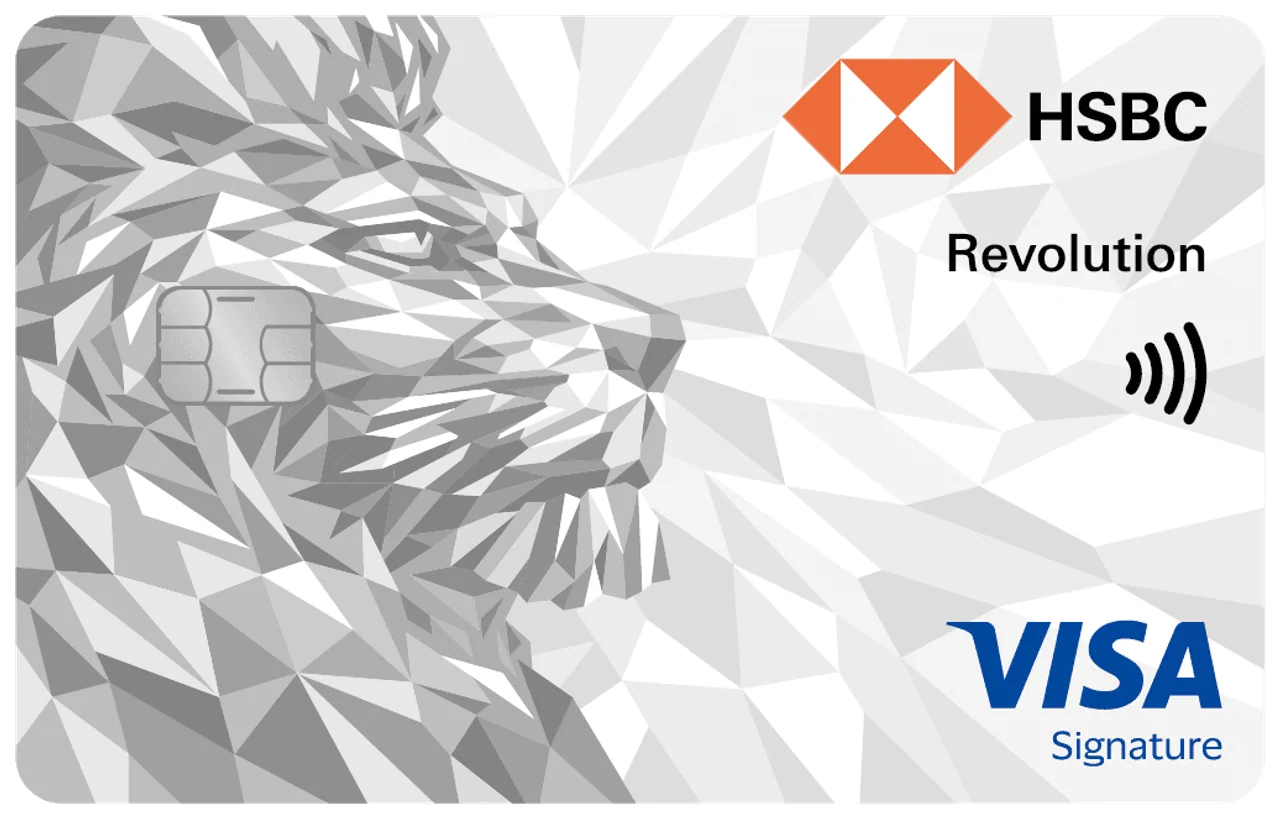 | HSBC Revolution Credit Card | S$799 | 4 mpd / 2.5% cashback | S$65,000 | Online Shopper | ||
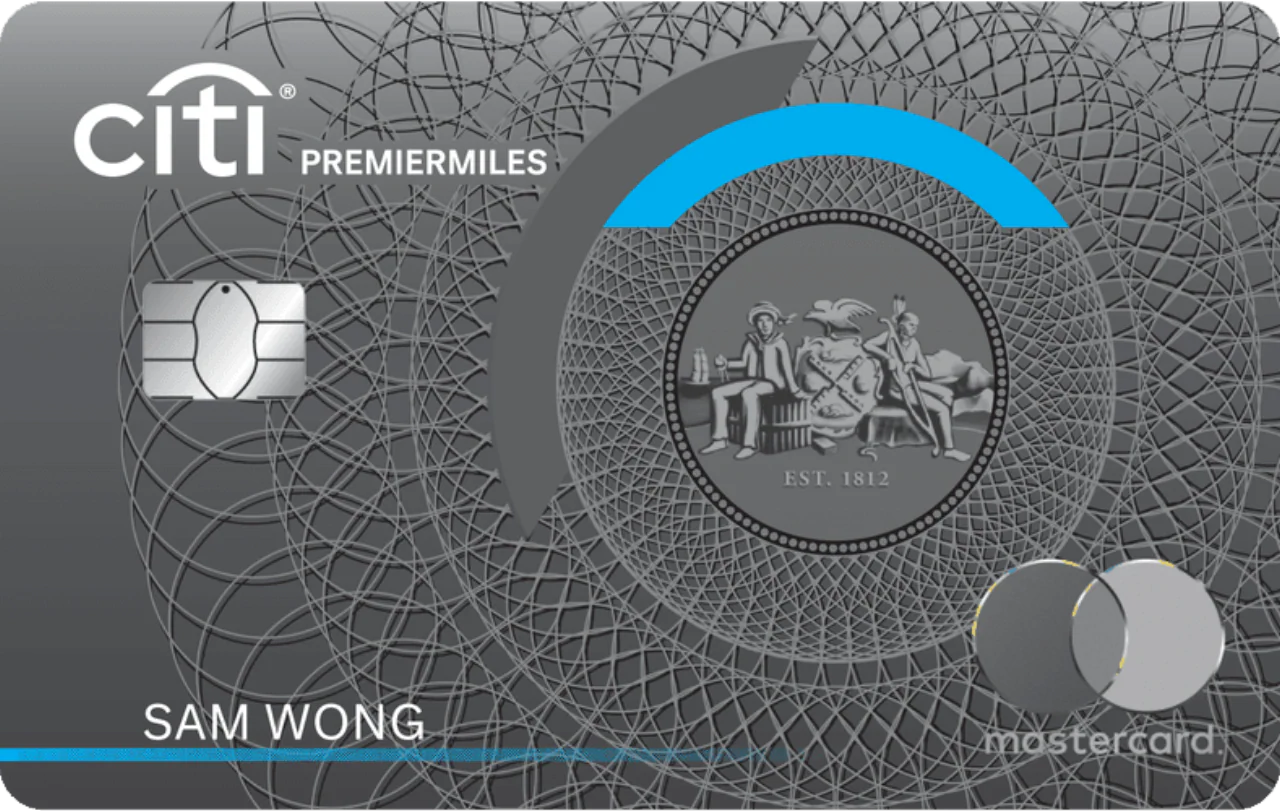 | Citi PremierMiles Card | S$3,299 | 2.2 mpd (FCY), 1.2 mpd (Local) | S$30,000 | Miles Maximiser | ||
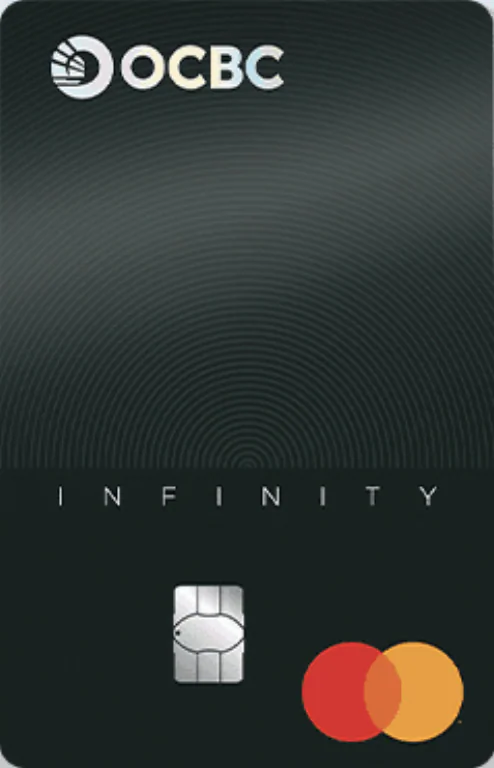 | OCBC INFINITY Cashback Credit Card | S$799 | 1.6% cashback | S$30,000 | Flat Rate Fan | ||
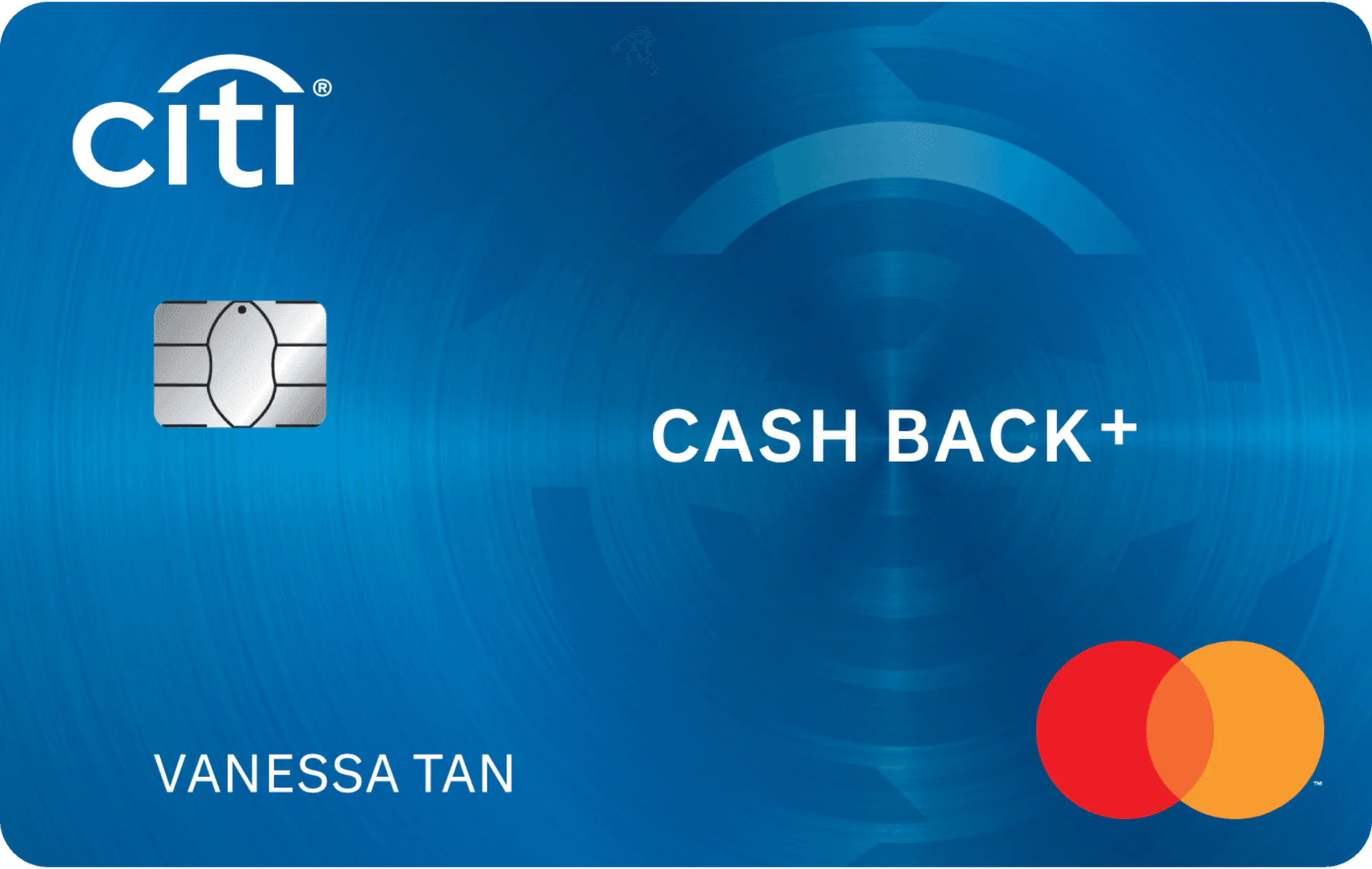 | Citi Cash Back+ Card | S$3,299 | 1.6% cashback | S$30,000 | Fuss-free cashback | ||
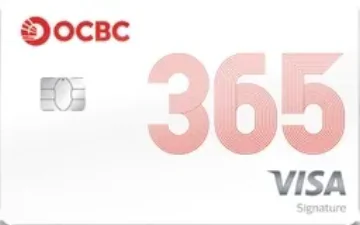 | OCBC 365 Credit Card | S$799 | 6% on fuel | S$30,000 | Everyday Spender | ||
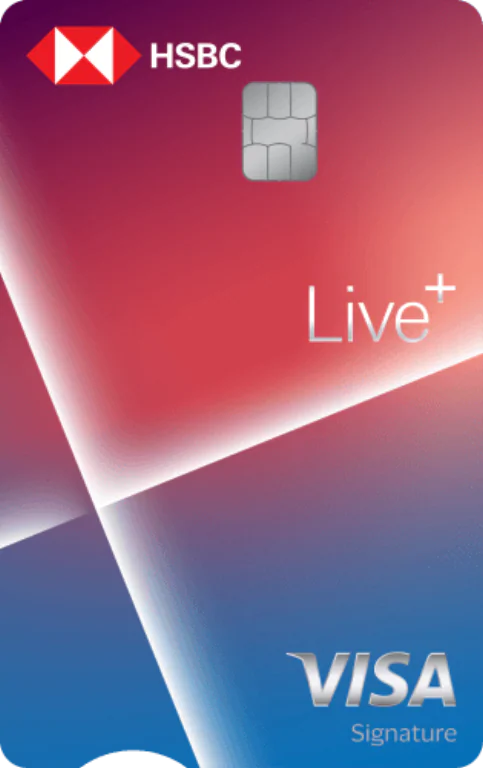 | HSBC Live+ Credit Card | S$799 | 8% cashback + dining | S$65,000 | Cashback Chaser | ||
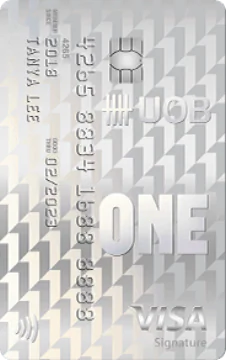 | UOB One Card | S$599 | 3.33% cashback | S$30,000 | High Spender | ||
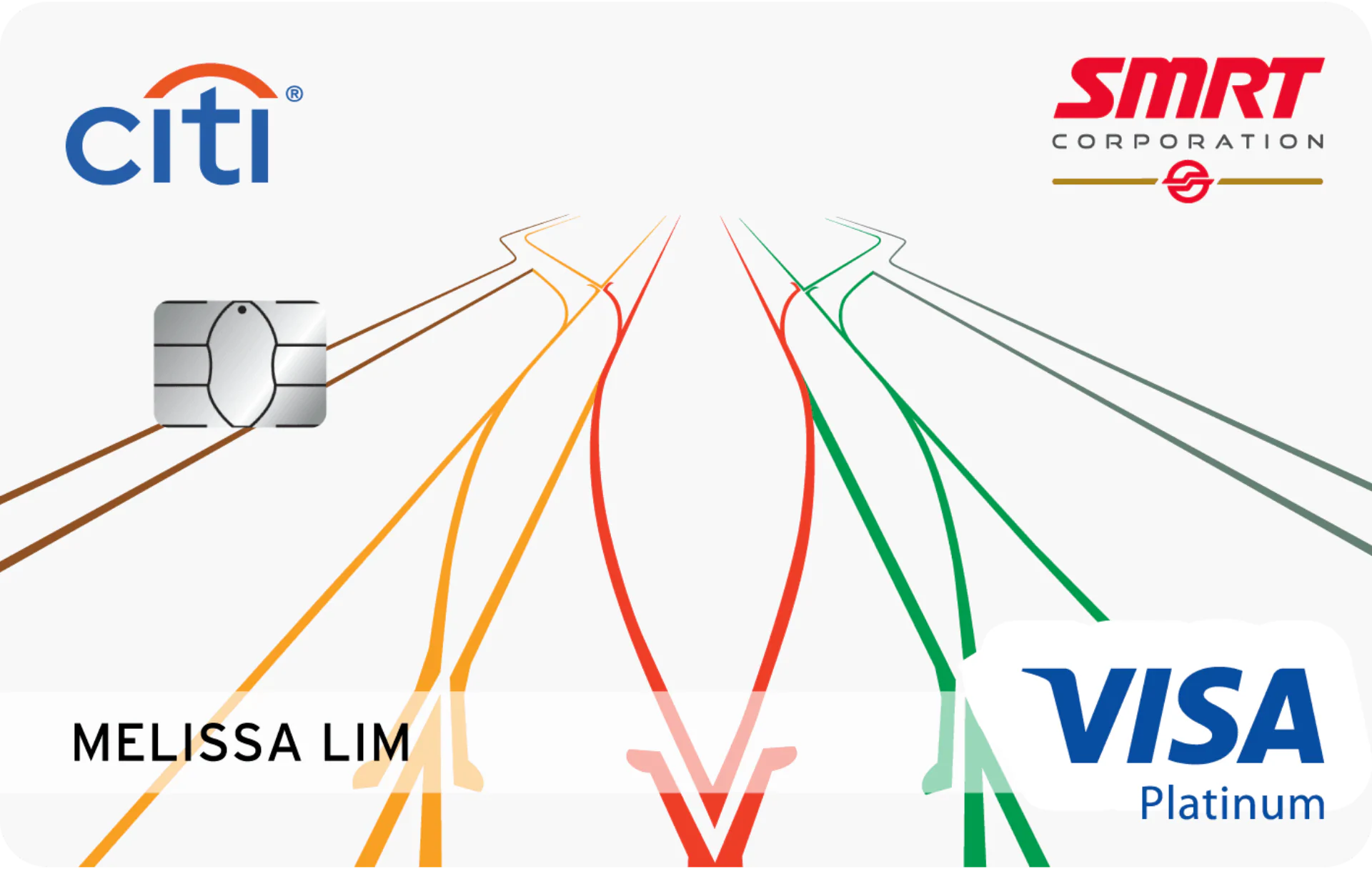 | Citi SMRT Card | S$3,099 | 0.3 - 5 % cashback | S$30,000 | For SMRT Commuters |
Credit card interest rates, late fees and APR
As mentioned earlier, carrying a balance on your credit card will incur interest charges. While you should strive never to carry a balance, you should still check the interest rate on your credit card.
This will be helpful should you find yourself needing to carry a balance, so you can make a rough estimation of how much interest you will incur – and budget accordingly. Also, you’ll need to add the late fee, so you’ll need to find out what that is as well.
You may also want to work out the Annual Percentage Rate (APR), which is the annual cost of using your credit card; this value will change depending on the charges you incur.
Eligibility criteria
Before applying, look up the eligibility criteria to ensure you’re an eligible candidate. This shouldn’t be too difficult, as most banks display their eligibility criteria clearly on the application page.
In general, for mass market credit cards, Singaporeans will need a minimum annual income of S$30,000, while foreigners may need a higher amount. Applicants should also be 21 years to 70 years old.
Credit card promotions
The reason why you may be thinking of applying for a credit card in the first place is the gifts and promotions being offered.
Indeed, credit cards are regularly marketed via various promotions that often come with attractive gifts and sign-up offers, ranging from travel luggage to bonus reward points and extra air miles.
Keeping track of all the various ongoing credit card promotions can be tedious, but we’ve got the solution for you. Simply bookmark our credit card promotions page, and check back regularly for all the awesome offers we have. You can also sign up for our newsletter to get first dibs on the latest promotions!
When should you not get a credit card?
As discussed throughout this article, credit cards can be highly advantageous, However, they also require a degree of management. In fact, credit cards may not be a suitable financial tool under certain circumstances, such as:
-
If you are unable to pay off your credit balance in full every month. This will incur interest charges and late fees, causing you to sink deeper into debt.
-
If you tend to spend more than you can afford. Consider lowering your credit limit to a suitable amount, or switch to a debit card instead.
-
If you have a bad credit score. Continuing to use a credit card can further damage a low credit score if you miss payments or fail to clear your balance. You may also be subject to higher interest rates by your bank, putting you at a further disadvantage.
Finding the best financial solution for you
Given the wide range of features, rewards and types of credit cards available today, choosing a suitable credit card can be a mind-boggling affair. One-size-fits-all certainly does not apply here.
We think that’s a good thing! Credit cards have evolved to best cater to consumer preferences and needs, which makes it even more likely for you to find a credit card (or several) that fits what you’re looking for.
So go on and head over to our credit cards promotions page where we’ve collected the best credit card deals. We’ve also summarised the main features and rewards of each card, so you can more easily compare them for yourself.